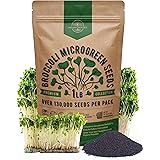
Now retrieving an image set.
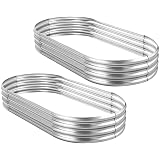
Land Guard 2Pcs Galvanized Raised Garden Bed Kit, Galvanized Planter Oval Large Metal Raised Garden Boxes Outdoor for Vegetables…
$39.99 (as of 12:58 GMT -05:00 - More infoProduct prices and availability are accurate as of the date/time indicated and are subject to change. Any price and availability information displayed on [relevant Amazon Site(s), as applicable] at the time of purchase will apply to the purchase of this product.)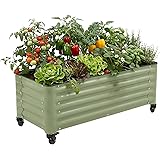
Now retrieving an image set.
Vego garden Classic Rolling Garden Bed – 1.75' Mobile Metal Raised Garden Bed for Patio, Deck, Balcony – Deep Planting Space, Durable & Easy to Move (Olive Green, 1.75'X4')
$219.95 (as of 08:19 GMT -05:00 - More infoProduct prices and availability are accurate as of the date/time indicated and are subject to change. Any price and availability information displayed on [relevant Amazon Site(s), as applicable] at the time of purchase will apply to the purchase of this product.)- 1. Choose the Right Soil
- 2. Proper Watering Techniques
- 3. Warm and Adequate Sunlight
- 4. Regular Pest Management
- 5. Use Quality Seedlings or Seeds
- 6. Proper Spacing and Plant Support
- 7. Consistent Fertilization
- 8. Crop Rotation and Companion Planting
- 9. Monitor for Diseases
- 10. Keep Learning and Adjusting
1. Choose the Right Soil
Understanding Soil Composition
Healthy vegetable plants thrive in well-draining soil rich in organic matter. In 2025, soil health remains a cornerstone of successful gardening, with studies showing that soil quality directly impacts crop yield and plant vigor. Before planting, test your soilâs pH level, ideally between 6.0 and 7.0 for most vegetables. You can do this easily with a home test kit or by sending samples to a local lab.
Adding compost or aged manure can drastically improve soil fertility and structure. These organic amendments supply essential nutrients and enhance microbial activity, which is critical for plant health. Remember, healthy soil supports healthy roots, leading to more resilient plants and better yields.
Enhancing Soil Drainage
Proper drainage prevents waterlogging, which can cause root rot and other diseases. If your soil tends to retain water, consider raised beds or incorporating coarse sand and organic matter to improve its porosity. In 2025, innovative soil mixes and microbial technology have made it easier for gardeners to optimize their soilâs drainage and fertility simultaneously.
Always avoid heavy clay soils unless amended adequately, as they can hinder root growth. Regularly aerating the soil also helps maintain oxygen flow to roots, promoting overall plant health. Remember, tips for healthy vegetable plants hinge largely on choosing and preparing the right soil.
2. Proper Watering Techniques
The Importance of Consistent Moisture
In 2025, many gardeners have learned that inconsistent watering can lead to stress in vegetable plants, making them susceptible to pests and diseases. The key is to keep the soil evenly moist but not waterlogged. Most vegetables require about 1-2 inches of water per week, depending on weather conditions.
Implementing drip irrigation or soaker hoses can ensure uniform watering and reduce water waste. These methods deliver moisture directly to the root zone, encouraging healthy growth while preventing fungal issues caused by wet foliage.
Morning Watering Benefits
Watering early in the day allows leaves to dry before evening, minimizing disease risks and promoting better absorbance of moisture. During drought conditions or hot climates, deep and infrequent watering encourages roots to grow deeper, enhancing drought resistance.
In 2025, smart watering systems equipped with soil moisture sensors are gaining popularity among avid gardeners. These devices help you optimize watering schedules and maintain tips for healthy vegetable plants more efficiently.
3. Warm and Adequate Sunlight
Maximize Sun Exposure
Most vegetables thrive with at least 6-8 hours of direct sunlight daily. In 2025, the trend toward garden design emphasizes maximizing sun exposure through strategic placement. Choose a location with unobstructed sunlight and consider the rotation of your garden beds to ensure consistent light.
For shady areas, select shade-tolerant vegetables like lettuce or spinach. Proper sunlight not only boosts growth but also enhances flavor and nutritional content.
Seasonal Considerations
Planting in the appropriate season is crucial. Use season extension tools, such as greenhouses or row covers, to protect plants from unexpected cold snaps and ensure they receive adequate warmth. This approach is especially important for warm-season crops in 2025, where unseasonal weather patterns are becoming more frequent.
Overall, understanding how to optimize sunlight contributes significantly to tips for healthy vegetable plants, enabling you to harvest more plentiful and flavorful produce.
4. Regular Pest Management
Identifying Common Pests
In 2025, integrated pest management (IPM) remains the most effective approach to controlling pests without harming beneficial insects. Common pests such as aphids, squash bugs, and carrot flies can devastate your garden if not managed properly. Regular scouting and early detection are key.
Use natural predators like ladybugs or introduce companion planting, which I’ll discuss later, to naturally deter pests. Organic pesticides are also safer options to keep pests in check while maintaining healthy plants.
Preventive Measures
Healthy plants are naturally more resistant to pests. Ensuring proper watering, fertilizing, and crop rotation helps guerrilla pests and reduces infestations. Covering vulnerable plants with insect netting during peak pest seasons is an additional proactive tactic.
Adopting pest management tips for healthy vegetable plants not only protects your harvest but also promotes eco-friendly gardening practices you can feel good about.
5. Use Quality Seedlings or Seeds
Selecting the Best Varieties
Researching and choosing the right seed varieties is essential in 2025. Opt for disease-resistant, high-yielding strains suited to your climate zone. Many seed companies now offer organic and heirloom options, which can enhance flavor and biodiversity.
Starting with high-quality seeds or seedlings gives your plants a strong foundation, reduces the likelihood of failure, and decreases the need for chemical interventions.
Get a free subscription to PREPARE – with more gardening and homesteading tips!
Seed Starting Tips
Begin seeds indoors for an early start or in late-season cold frames. Use sterile soil mixes and keep seedlings in a warm, bright location. Properly hardened-off seedlings transplanted outdoors tend to acclimate better and establish quicker, leading to healthier vegetable plants overall.
Next-generation seed developments in 2025 include genetically enhanced traits for drought tolerance and pest resistance, further supporting tips for healthy vegetable plants.
6. Proper Spacing and Plant Support
Spacing for Optimal Growth
Overcrowding can lead to poor airflow, increased disease, and stunted growth. Follow spacing guidelines for each vegetable type, allowing enough room for mature plants to develop fully. In 2025, smart gardening apps provide precise spacing recommendations based on current varieties and local conditions.
Supporting Your Plants
Trellises, cages, and stakes help keep plants upright, improve air circulation, and facilitate harvest. Beans, tomatoes, and peas particularly benefit from proper support systems, which contribute directly to their overall health and productivity.
Implementing these tips for healthy vegetable plants ensures your garden remains manageable and productive, with fewer issues related to disease or pests caused by poor support or overcrowding.
7. Consistent Fertilization
Types of Fertilizers
Use balanced fertilizers that supply nitrogen, phosphorus, and potassium, tailored to the growth stage of your vegetables. Organic options like fish emulsion or compost teas are increasingly popular in 2025 for their safety and effectiveness.
Applying Fertilizer Correctly
Follow a regular schedule, fertilizing when plants show signs of nutrient deficiencies or during key growth phases. Over-fertilizing can be as detrimental as under-fertilizing, so always adhere to recommended dosages. Using slow-release fertilizers can simplify this process and sustain nutrient availability for longer periods.
Smart fertilization strategies are among the fundamental tips for healthy vegetable plants, ensuring robust growth and abundant harvests.
8. Crop Rotation and Companion Planting
Prevent Soil-Borne Diseases
Rotating crops prevents the buildup of pests and diseases specific to certain plant families. For example, rotate tomatoes with legumes to replenish nitrogen in the soil, reducing fertilizer needs.
Enhance Plant Health with Companion Planting
Plant vegetables alongside beneficial companionsâlike basil with tomatoesâto repel pests and improve growth. In 2025, research continues to support companion planting as an effective sustainable gardening practice that promotes tips for healthy vegetable plants.
Implementing these techniques can lead to healthier, more productive vegetable plants with fewer chemical inputs.
9. Monitor for Diseases
Early Detection and Action
Regular observation helps catch issues before they spread. Look for discolored leaves, spots, wilting, or unusual growth patterns. Early intervention is crucial to save your plants and prevent crop loss.
Use of Disease-Resistant Varieties
Incorporate resistant strains and rotate crops to minimize disease risks. Applying organic fungicides can help manage outbreaks if detected early. Staying informed about common vegetable diseases in your region for 2025 will help you adopt targeted tips for healthy vegetable plants.
10. Keep Learning and Adjusting
Stay Informed on Gardening Trends
Gardening is continually evolving, and 2025 brings new advances such as smart gardening technology, new plant varieties, and sustainable practices. Attend local workshops, join online forums, and read credible blogs to stay updated.
Learn from Your Garden
Keep a garden journal to track what works and what doesnât. Adjust your techniques based on seasons and experiences. Adaptability is key to achieving tips for healthy vegetable plants year after year.
Conclusion
Mastering the tips for healthy vegetable plants is essential for a thriving garden in 2025. By selecting the right soil, watering effectively, providing adequate sunlight, managing pests, and employing smart practices like crop rotation and fertilization, you can enjoy abundant, flavorful vegetables. Remember, consistent observation and willingness to adapt are fundamental to gardening success. Whether you’re a beginner or seasoned gardener, implementing these 10 tips will elevate your vegetable gardening game in 2025 and beyond.
Frequently Asked Questions
- What are the best tips for healthy vegetable plants for beginners? Start with good soil, adequate sunlight, and proper watering. Use high-quality seeds and keep an eye out for pests and diseases.
- How often should I water my vegetable plants in 2025? Most need about 1-2 inches of water weekly, but this may vary based on climate and soil type. Use soil moisture sensors for precise watering.
- What are the tips for healthy vegetable plants in small gardens? Focus on vertical gardening, choosing space-efficient plants, and practicing crop rotation and companion planting.
- Why are my vegetable plants not growing well? (Tips for healthy vegetable plants) Common issues include poor soil, over- or under-watering, pests, or disease. Regular monitoring and adjusting your care routine can make a big difference.
- What is the most important tip for healthy vegetable plants in 2025? Consistent healthy soil management combined with effective watering and pest control remains the foundation of tips for healthy vegetable plants.
Get a free subscription to PREPARE – with more gardening and homesteading tips!
Related Content
- People from the region dig into composting at Homewood event
- Scrutinizing Composting Equipment market segmental trends over 2020-2025 – AEResearch.net
- Troy residents can drop off food scraps for composting – NEWS10 ABC
- Tanger Outlets Announces 2021 TangerKIDS Grant Recipients – Riverhead, NY Patch
- Farmers’ Market Voice