Now retrieving an image set.
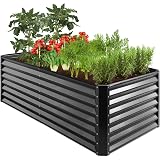
Best Choice Products 6x3x2ft Outdoor Metal Raised Garden Bed, Deep Root Box Planter for Vegetables, Flowers, Herbs, 269 Gallon Capacity, 100% Non Toxic Materials - Gray
$89.99 (as of 12:59 GMT -05:00 - More infoProduct prices and availability are accurate as of the date/time indicated and are subject to change. Any price and availability information displayed on [relevant Amazon Site(s), as applicable] at the time of purchase will apply to the purchase of this product.)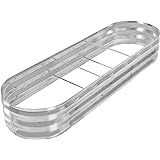
Now retrieving an image set.
GADI 67-Inch Galvanized Raised Garden Bed, Metal Planter Box for Vegetables and Flowers, Large Outdoor Gardening Kit, Easy DIY Assembly, Weather-Resistant & Rust-Proof
$29.99 (as of 12:59 GMT -05:00 - More infoProduct prices and availability are accurate as of the date/time indicated and are subject to change. Any price and availability information displayed on [relevant Amazon Site(s), as applicable] at the time of purchase will apply to the purchase of this product.)- 1. Choose the Right Location
- 2. Plan Your Garden Layout
- 3. Select Suitable Plants for 2025
- 4. Prepare the Soil Properly
- 5. Use Quality Seeds and Seedlings
- 6. Implement Sustainable Watering Practices
- 7. Practice Integrated Pest Management
- 8. Allocate Time for Regular Maintenance
- 9. Integrate Technology for Better Results
- 10. Keep Learning and Adapting
1. Choose the Right Location
Assess Sunlight Exposure
One of the fundamental tips for starting a home garden is selecting a spot that receives adequate sunlight. Most vegetables and flowering plants require at least 6-8 hours of direct sunlight daily. In 2025, with increased awareness of plant needs, observing your space throughout the day to determine sun exposure is more crucial than ever. Use sunlight maps or simple observations to identify the best location on your property.
Not all areas are ideal; shady spots may suit certain plants like leafy greens or herbs, but most produce benefits from ample sunlight. Consider placing your garden where sunlight is consistent, avoiding shaded areas from trees or structures. The right sunlight ensures healthy growth and maximizes yields, making your efforts more rewarding.
Evaluate Soil and Drainage
Beyond sunlight, soil quality and drainage are critical. Poor drainage can lead to root rot, while compacted soil hampers root expansion. Conduct simple tests like digging a small hole and observing water runoff after watering to assess drainage. If water pools or drains slowly, amendments are necessary.
Upgrading your soil with organic matter such as compost can dramatically improve its structure. In 2025, sustainable practices like using composted kitchen waste continue to grow in popularity and effectiveness. Combining proper site selection with quality soil setup greatly enhances your chances of success in starting a home garden.
2. Plan Your Garden Layout
Design for Efficiency and Accessibility
A well-thought-out garden layout saves you time and effort. Consider accessibility for watering, harvesting, and maintenance. Raised beds or container gardens can be advantageous for smaller spaces and reduce weed intrusion. Plan pathways to navigate easily without damaging plants, especially as your garden matures.
In 2025, many gardeners are adopting vertical gardening and modular designs to maximize limited space and increase yields. Creating a layout that considers plant sizes, sunlight, and companion planting principles can lead to a more productive and manageable garden.
Use Companion Planting Strategies
Companion planting is an age-old tip for starting a home garden that helps naturally repel pests and improve growth. For instance, planting basil near tomatoes can enhance flavor and deter insects. Planning your garden with companion plants in mind creates a healthier environment.
Designing your garden with these relationships in mind not only boosts plant health but also reduces dependency on chemical pest control. Modern garden planning tools can assist in creating an optimized layout tailored for 2025 trends.
3. Select Suitable Plants for 2025
Focus on Climate-Resilient Varieties
Choosing the right plants is crucial for success. In 2025, climate-resilient and drought-tolerant varieties are highly recommended, especially as climate change impacts become more evident. Look for crops suited to your local USDA hardiness zone and current weather patterns.
Examples include heirloom tomatoes, kale, and native herbs adapted to your region. These choices often require less water and maintenance, making them perfect for home gardeners aiming for sustainable and successful harvests.
Embrace Innovative and Organic Options
With growing interest in organic gardening, selecting organic seeds and seedlings is essential. Additionally, experimenting with new crops such as microgreens or indoor herbs can diversify your garden and increase your harvest year-round.
Stay informed about plant varieties emerging in 2025, driven by research and climate adaptation efforts. Being selective in plant choices greatly improves your overall success in starting a home garden.
4. Prepare the Soil Properly
Test and Amend Soil Conditions
Healthy soil is the foundation of a thriving garden. Start by testing soil pH and nutrient levels using simple testing kits available in 2025. Most vegetables favor a pH between 6.0 and 7.0. Adjust pH with amendments like lime or sulfur as needed.
Adding organic matter such as compost or aged manure improves soil fertility, structure, and moisture retention. Involving sustainable practices helps ensure your garden remains productive over the long term.
Build Rich, Well-Draining Soil
Incorporating materials like peat moss or coconut coir can enhance drainage and aeration. Loose, well-draining soil prevents waterlogging and promotes healthy root development.
Remember, soil preparation in 2025 often emphasizes ecological harmony, so choose amendments that support beneficial microbes and overall soil health. Proper soil prep sets the stage for an abundant home garden.
5. Use Quality Seeds and Seedlings
Source from Reputable Suppliers
Using high-quality seeds and seedlings is one of the most straightforward tips for starting a home garden that guarantees success. In 2025, look for certified organic and non-GMO options from trusted suppliers. Quality seeds have better germination rates and disease resistance.
Ask local garden centers or online stores for varieties proven to perform well in your region and environment. Investing in good seeds pays off with healthier, more productive plants.
Start Seeds Indoors or in Controlled Conditions
Early-starting seedlings indoors can give you a head start, especially for crops like tomatoes and peppers. Use grow lights or sunny windows to support healthy growth before transplanting outdoors.
This approach allows you to extend your growing season and improve overall yields. Proper handling and timing when transplanting ensure your plants adapt successfully to your garden environment.
6. Implement Sustainable Watering Practices
Choose Efficient Irrigation Systems
Water management is critical for a successful home garden. In 2025, drip irrigation and soaker hoses are popular choices for efficient watering, reducing water waste and disease risk. These systems deliver water directly to the plant roots, saving money and resources.
Automated timers can help maintain consistent moisture levels, especially during busy periods. Investing in these systems enhances your gardenâs water efficiency and health.
Water at Optimal Times and Techniques
Water early in the morning or late in the afternoon to minimize evaporation. Use mulch around plants to retain soil moisture and regulate temperature. These small adjustments can significantly improve water absorption and plant resilience.
Get a free subscription to PREPARE – with more gardening and homesteading tips!
Adopting sustainable watering practices not only conserves water but also promotes healthier plant growth, essential for a thriving 2025 garden.
7. Practice Integrated Pest Management
Natural Pest Control Methods
Controlling pests without harmful chemicals is a key tip for starting a home garden responsibly. Introduce beneficial insects like ladybugs or use companion planting to naturally repel pests. These environmentally friendly practices are more popular than ever in 2025.
Regularly inspect your plants for early signs of pests to act swiftly. This integrated approach reduces chemical inputs and promotes biodiversity in your garden.
Use Organic and Non-Toxic Pesticides
If pest problems escalate, opt for organic pesticides derived from natural ingredients. Always target pests precisely to minimize impact on beneficial insects and pollinators.
Stay updated on pest management innovations in 2025, ensuring your strategies support a sustainable and productive garden ecosystem.
8. Allocate Time for Regular Maintenance
Establish a Routine Schedule
Consistency is key. Allocate daily or weekly time for watering, pruning, harvesting, and inspecting your garden. Routine maintenance prevents problems like overgrowth, disease, or pest infestations.
In 2025, many gardeners are leveraging digital apps to schedule tasks and set reminders, making garden upkeep more manageable.
Learn Basic Gardening Skills
Understanding pruning techniques, staking plants, and recognizing nutrient deficiencies helps optimize growth. Taking a few hours each week to learn and implement these skills significantly increases your chances of success.
With proper time management and knowledge, your home garden can flourish with minimal stress.
9. Integrate Technology for Better Results
Use Garden Monitoring Tools
Technology plays a vital role in modern gardening. Sensors and apps can monitor soil moisture, temperature, and light levels, helping you make informed decisions. In 2025, smart garden gadgets are more accessible and affordable than ever.
This integration allows you to optimize watering, fertilizing, and pest control, ensuring your plants thrive with less effort.
Join Online Gardening Communities
Engage with digital forums, social media groups, and webinars focused on tips for starting a home garden. Sharing experiences and learning from others accelerates your gardening expertise and keeps you updated on best practices.
Embracing technology enhances your gardening success and connects you with a community of passionate growers.
10. Keep Learning and Adapting
Stay Updated with Latest Trends
2025 brings new innovations and research in gardening techniques, plant varieties, and sustainable practices. Read blogs, attend workshops, and subscribe to gardening magazines to stay informed. Continual learning helps you adapt to changing conditions and improve your results.
Record and Reflect on Your Gardenâs Progress
Maintain a garden journal to track what works and what doesnât. Note planting dates, varieties, weather conditions, and yields. This reflection allows you to fine-tune your approach for future seasons.
Flexibility and ongoing education are key tips for starting a home garden that produces abundant, healthy plants year after year.
Conclusion
Starting a home garden in 2025 can be an incredibly rewarding adventure if you follow these 10 effective tips. From selecting the right location to embracing technology and continuous learning, each step contributes to your gardenâs success. Remember, the key to a thriving home garden lies in proper planning, sustainable practices, and adapting to new trends and knowledge. With patience and dedication, you’ll enjoy fresh produce, vibrant flowers, and the therapeutic benefits of gardening. So, take these tips for starting a home garden and turn your outdoor space into a lush, productive haven this year!
Frequently Asked Questions
1. What are the most important tips for starting a home garden in 2025?
Choosing the right location, soil preparation, selecting suitable plants, and utilizing technology are among the most vital tips for starting a home garden that ensures success in 2025.
2. How can I ensure my garden is sustainable in 2025?
Implement water-efficient practices, use organic amendments, select climate-resilient plants, and practice integrated pest management to maintain a sustainable and productive garden.
3. Are there specific plants that are recommended for 2025?
Yes, focus on climate-resilient and native plants, as well as new varieties optimized for current weather patterns, such as drought-tolerant vegetables and herbs.
4. How do I prevent pests naturally in my home garden?
Use beneficial insects, companion planting, organic pesticides, and maintain regular garden inspection to naturally control pests without chemicals.
5. Where can I find more tips for starting a home garden?
Consult gardening books, online resources, local workshops, and connect with gardening communities for up-to-date tips and expert advice.