Now retrieving an image set.
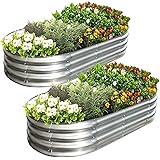
AmazStove Galvanized Raised Garden Bed Kit, Planter Garden Boxes Outdoor, Oval Large Metal for Vegetables Fruits, Flowers Planter Boxes, Easy Assembly Garden Bed Kit 4x2x1 FT (2-Pack)
$39.99 (as of 12:59 GMT -05:00 - More infoProduct prices and availability are accurate as of the date/time indicated and are subject to change. Any price and availability information displayed on [relevant Amazon Site(s), as applicable] at the time of purchase will apply to the purchase of this product.)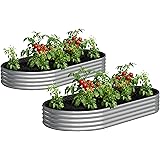
Now retrieving an image set.
Yortrek 2PCS 8x4x1FT Galvanized Raised Garden Bed Kit,Vegetable Boxes-Oval Metal Flower Box,Large Planter Raised Beds Outdoor Garden for Planting,Fruit,Herb-Silver
$64.99 (as of 08:19 GMT -05:00 - More infoProduct prices and availability are accurate as of the date/time indicated and are subject to change. Any price and availability information displayed on [relevant Amazon Site(s), as applicable] at the time of purchase will apply to the purchase of this product.)Table of Contents
- 1. Choose the Right Tomato Varieties
- 2. Optimal Planting Time
- 3. Proper Soil Preparation and Fertilization
- 4. Effective Watering Techniques
- 5. Adequate Sunlight Exposure
- 6. Pest and Disease Management
- 7. Support Structures and Pruning
- 8. Consistent Harvesting
- 9. Using Technology for Better Yields
- 10. Monitoring and Adjusting Your Gardening Practices
1. Choose the Right Tomato Varieties
Selecting the Best Tomato Types for 2025
Starting with the right tomato varieties is a crucial tip for successful tomato gardening. In 2025, gardeners are leaning towards disease-resistant and high-yielding heirloom and hybrid varieties. Consider factors such as your local climate, available space, and taste preferences. For example, determinate varieties like ‘Rutgers’ produce fruit within a short period, perfect for quick harvests, while indeterminate types such as ‘Sun Gold’ continue to produce throughout the season.
By choosing varieties suited to your specific environment, you’ll reduce issues like cracking, blight, and poor yields. Many seed companies now offer customized options for different growing zones, helping you select the most productive plants for your garden.
Where to Find Quality Tomato Seeds in 2025
For reliable results, source your seeds from reputable suppliers with positive reviews. Online stores like Burpee, Johnnyâs Selected Seeds, and local garden centers are excellent options. Additionally, consider saving seeds from your best harvests to grow future seasonsâthis practice enhances plant resilience over time.
2. Optimal Planting Time
Understanding Your Growing Season
Timing is everything in tomato gardening. In 2025, climate data shows that planting after the last frost dateâtypically late April to early May in many regionsâgives your plants ample time to mature before the first frost. Check your local weather forecasts and historical data to optimize planting dates.
Early planting can lead to issues with cold soil and pests, while delayed planting might shorten the harvest window. Aim for soil temperatures around 60°F (15°C) for optimal germination.
Starting Tomatoes Indoors for a Head Start
Indoors sow tomato seeds 6-8 weeks before your last expected frost date. Use grow lights and heat mats if necessary to ensure strong seedling development. Transplant outdoors once seedlings are sturdy, usually when they have developed their second set of true leaves and outdoor conditions are suitable.
3. Proper Soil Preparation and Fertilization
Building Nutrient-Rich Soil
Healthy soil is the foundation for successful tomato gardening. In 2025, soil testing has become more accessible and affordable, helping gardeners tailor their amendments. Aim for a loamy soil with good drainage, organic matter, and a pH between 6.2 and 6.8.
Amend your soil with compost and aged manure to boost microbial activity and nutrient content. Incorporating organic matter improves soil structure and water retention, essential for vigorous growth.
Fertilization Strategies for Bountiful Harvests
Use a balanced fertilizer at planting, such as a 10-10-10 formulation, and switch to a phosphorus and potassium-rich fertilizer once flowering begins. In 2025, slow-release organic fertilizers are popular for providing consistent nutrition without the risk of overfeeding.
4. Effective Watering Techniques
Mastering Deep and Consistent Watering
Water management remains a top tip for successful tomato gardening. Tomatoes need about 1-2 inches of water per week. Deep, infrequent watering encourages deep roots, making plants more resilient. Drip irrigation systems and soaker hoses are excellent tools for delivering consistent moisture.
Mulch your tomato plants with straw or shredded bark to retain soil moisture, suppress weeds, and regulate soil temperature. In 2025, smart moisture sensors help gardeners optimize watering schedules remotely.
Preventing Diseases Through Proper Watering
Avoid overhead watering, which can splash soil-borne diseases onto foliage. Instead, water at the base of plants in the morning, allowing leaves to dry quickly and reducing blight and fungal issues.
5. Adequate Sunlight Exposure
Ensuring Your Tomatoes Get Enough Sun
Tomatoes thrive with at least 6-8 hours of direct sunlight daily. In 2025, maximizing sunlight exposure remains a simple yet effective tip for successful tomato gardening. If your garden has shaded areas, consider relocating containers or pruning nearby plants to increase sun penetration.
Monitoring sunlight patterns throughout the day helps identify optimal planting spots. South-facing locations generally offer the most consistent sun exposure.
Dealing with Excessive Heat
While sunlight is vital, excessive heat can cause blossom drop and fruit disorders. Use shade cloths during heatwaves to protect your plants and extend the harvesting period.
6. Pest and Disease Management
Identifying Common Tomato Pests and How to Control Them
In 2025, integrated pest management (IPM) strategies are essential for healthy tomato plants. Common pests include aphids, tomato hornworms, and whiteflies. Regular scouting and natural predators like ladybugs minimize chemical dependence.
Introduce beneficial insects or use organic controls like neem oil or insecticidal soap when infestations occur. Planting pest-repelling herbs such as basil or marigolds also helps deter unwanted pests.
Managing Diseases for a Bountiful Harvest
Fungal diseases like blight, powdery mildew, and fusarium wilt can decimate tomato crops. Crop rotation, resistant varieties, and proper spacing improve airflow and reduce infection risk.
Maintain good garden hygiene by removing fallen leaves and infected plant debris. Applying organic fungicides at early signs can save your plants from severe disease outbreaks.
Get a free subscription to PREPARE – with more gardening and homesteading tips!
7. Support Structures and Pruning
Supporting Your Tomato Plants Effectively
Trellises, cages, and stakes are vital for keeping tomato plants upright, especially indeterminate varieties. In 2025, eco-friendly and reusable support systems are increasingly popular for their durability and sustainability.
Proper support prevents damage from wind and heavy fruit loads, reducing plant stress and disease susceptibility.
Pruning for Better Airflow and Yield
Pruning suckers and excess foliage promotes better airflow and sunlight penetration. It also directs the plant’s energy into fruit production rather than unwanted growth.
Start pruning once plants have established several sets of leaves, and prune regularly throughout the season for optimal results.
8. Consistent Harvesting
Timing Your Tomato Pickings
Harvest tomatoes when they are fully colored and slightly soft. Regular harvesting encourages the plant to produce more fruit, leading to a continuous supply throughout the season.
In 2025, adopting practices like picking every 2-3 days maximizes yield and flavor. Use clean scissors or pruners to avoid damaging the plant.
Handling and Storing Tomatoes
Eat or process ripe tomatoes promptly for the best flavor and nutrition. Store economically in a cool, dark place if not consuming immediately. Avoid refrigerating ripe tomatoes, as it can affect texture and taste.
9. Using Technology for Better Yields
Smart Gardening Tools and Apps
2025 has seen a surge in smart gardening toolsâsoil sensors, weather apps, and automated watering systemsâthat help optimize gardening practices. These tools make tips for successful tomato gardening more accessible and effective.
Use apps to track watering schedules, pest management, and growth progress, ensuring your tomato plants receive tailored care.
Data-Driven Gardening Decisions
Collecting data from digital tools informs better decision-making. For example, soil moisture sensors can prevent over or under-watering, significantly impacting yield quality and quantity.
10. Monitoring and Adjusting Your Gardening Practices
Regular Garden Assessments
Consistently monitor your tomato plants for signs of stress, pests, or disease. Adjust your watering, fertilizing, and pruning strategies accordingly. Observation is key to implementing tips for successful tomato gardening.
In 2025, maintaining a gardening journal or using apps helps track what works best for your specific setup, leading to improved yields year after year.
Adapting to Changing Conditions
Weather patterns are becoming more unpredictable in 2025, so flexibility is crucial. Use shade cloths, adjust planting schedules, and rotate crops to adapt to evolving climate factors effectively.
Frequently Asked Questions
1. What are the most important tips for successful tomato gardening in 2025?
Key tips include selecting the right varieties, timing planting correctly, and maintaining soil health. Incorporating pest control, proper watering, and support structures are also vital.
2. How can I prevent diseases in my tomato garden?
Use disease-resistant varieties, practice crop rotation, ensure good airflow, and remove infected debris. Using organic fungicides and watering carefully can also reduce disease risks.
3. What’s the best way to support my tomato plants?
Trellises, cages, and stakes work wellâchoose based on your space and variety. Proper support reduces plant stress and promotes healthier fruit development.
4. How often should I harvest tomatoes for maximum yield?
Harvest ripe tomatoes every 2-3 days, selecting fruit that is fully colored and soft. Consistent picking encourages ongoing production and a bountiful harvest.
5. How do I incorporate tips for successful tomato gardening in my small garden or containers?
Choose compact or dwarf varieties, use vertical supports, and ensure ample sunlight. Regular watering and fertilizing are crucial, and using high-quality soil enhances success.
Conclusion
Achieving a successful tomato garden in 2025 involves implementing effective tips for successful tomato gardening, from selecting the right varieties to leveraging modern technology. By following these comprehensive strategies, you can enjoy a bountiful harvest season after season. Remember, consistency and adaptability are key to mastering tomato cultivation. Whether you’re a seasoned gardener or just starting out, applying these expert tips will help you produce healthier plants and tastier tomatoes this year and beyond.