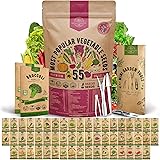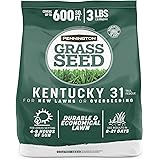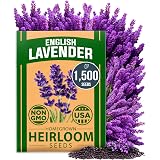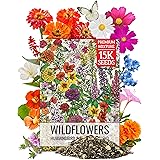
Now retrieving an image set.
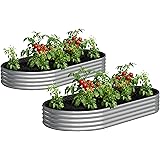
Yortrek 2PCS 8x4x1FT Galvanized Raised Garden Bed Kit,Vegetable Boxes-Oval Metal Flower Box,Large Planter Raised Beds Outdoor Garden for Planting,Fruit,Herb-Silver
$64.99 (as of 08:19 GMT -05:00 - More infoProduct prices and availability are accurate as of the date/time indicated and are subject to change. Any price and availability information displayed on [relevant Amazon Site(s), as applicable] at the time of purchase will apply to the purchase of this product.)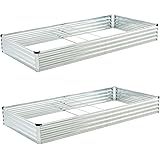
Now retrieving an image set.
Foxlang 8x4x1ft(2 PCS) Galvanized Raised Garden Bed,Outdoor Planter Box Metal Patio Kit Planting Bed for Vegetables Flowers Herb,Silver
$69.99 (as of 08:19 GMT -05:00 - More infoProduct prices and availability are accurate as of the date/time indicated and are subject to change. Any price and availability information displayed on [relevant Amazon Site(s), as applicable] at the time of purchase will apply to the purchase of this product.)- 1. Understand Your Garden’s Water Needs
- 2. Water Deeply and Less Frequently
- 3. Water Early in the Morning
- 4. Use Drip Irrigation Systems
- 5. Mulch to Conserve Moisture
- 6. Adjust for Weather Conditions
- 7. Check Soil Moisture Regularly
- 8. Avoid Overwatering
- 9. Incorporate Smart Watering Technologies
- 10. Keep a Consistent Watering Schedule
1. Understand Your Garden’s Water Needs
Assessing Soil Type and Plant Requirements
Every vegetable garden is unique, and understanding your soil type is crucial for effective watering. Sandy soils drain quickly and may require more frequent watering, while clay soils retain moisture longer. In 2025, innovative soil testing kits make it easier than ever to analyze your soil and tailor your watering schedule accordingly.
Beyond soil type, consider the specific needs of your vegetables. Leafy greens like lettuce require consistent moisture, whereas drought-tolerant plants like tomatoes can withstand slightly longer dry spells. Knowing these differences helps in creating a water plan that boosts growth and prevents issues like wilting or root rot.
Observing your garden regularly provides insight into moisture levels and helps prevent both over- and underwatering. Keep a watering journal, note weather patterns, and adjust as needed. Effective watering begins with understanding your gardenâs unique requirements.
2. Water Deeply and Less Frequently
The Benefits of Deep Watering
Deep watering encourages roots to grow deeper into the soil, leading to healthier, more resilient plants. In 2025, studies have shown that shallow watering promotes surface roots, which are more susceptible to drought stress. Aim to water until moisture penetrates at least 6-8 inches into the soil.
This approach not only boosts plant health but also conserves water by reducing evaporation. When roots access moisture from deeper layers, plants become more drought-tolerant â an essential benefit during dry spells or heatwaves.
To achieve deep watering, use steady, prolonged watering sessions rather than quick, frequent ones. Tools like soaker hoses and drip irrigation systems make this process more efficient and manageable.
Frequency and Timing
Adjust your watering schedule to match plant needs and environmental conditions. Typically, watering every 2-3 days is effective for most vegetables, but during hot or windy days, you may need to water daily. Always check soil moisture first to avoid overwatering.
Timing matters: watering early in the morning ensures plants have adequate moisture before the hottest part of the day, reducing water loss and preventing fungal issues. In 2025, smart timers and soil moisture sensors help automate and optimize watering schedules, saving you time and water.
Consistent deep watering builds a strong root base, essential for vigorous vegetable growth and higher yieldsâmaking this a key tip for watering vegetable garden.
3. Water Early in the Morning
Why Morning Watering Is Effective
Watering in the early morning allows plants to absorb moisture before the heat of the day causes evaporation. This practice ensures that your vegetables stay hydrated during the hottest hours, promoting steady growth and reducing stress.
Morning watering also helps prevent the development of fungal diseases that can occur if plants stay wet overnight. In 2025, increased awareness of sustainable practices recommends watering early to keep your garden healthy without excess water wastage.
Set a routineâusing timers or simple remindersâto develop a habit of watering when temperatures are cooler for maximum benefits. This tip for watering vegetable garden supports healthy, vigorous plants throughout the season.
Practical Tips for Morning Watering
If you use a hose or sprinkler, try to avoid large droplets that might damage delicate plants. Drip irrigation is ideal, delivering water precisely where it’s needed. Itâs also less likely to cause soil compaction or runoff.
Plant covers or shade cloths can be used to minimize water loss, especially during hot mornings. Consistent early watering not only optimizes plant health but also conserves waterâmaking your gardening efforts more sustainable in 2025.
4. Use Drip Irrigation Systems
Advantages of Drip vs. Traditional Sprinklers
Drip irrigation systems provide targeted watering directly to plant roots, reducing waste and evaporation. In 2025, smart drip systems incorporate sensors and timers, ensuring your vegetables receive optimal moisture without you having to remember to water manually.
This precision watering supports healthy root development and prevents issues like fungal diseases caused by overhead watering. Itâs especially effective during dry seasons or water restrictions.
Compared to traditional sprinklers, drip systems are more efficient, saving up to 50% of water. They also minimize soil erosion and reduce weed growth by limiting surface wetness.
Installation and Maintenance Tips
Installing a drip irrigation system is straightforwardâlayer it under mulch, run tubing along plant rows, and connect to a timer for automation. Regularly check for clogs or leaks to keep the system functioning efficiently.
In 2025, many models come with app controls, allowing you to monitor and adjust watering schedules remotely. This modern convenience ensures your vegetable garden gets consistent, effective watering, supporting maximum growth and yield.
Investing in a good drip system is a practical tip for watering vegetable garden that pays off by reducing labor and increasing productivity.
5. Mulch to Conserve Moisture
Types of Mulch for Vegetable Gardens
Organic mulches like straw, shredded leaves, or wood chips are excellent choices for vegetable gardens. They help retain soil moisture, regulate temperature, and suppress weeds. In 2025, recycled and biodegradable mulches are gaining popularity for eco-friendly gardening.
Applying a 2-3 inch layer of mulch around your plants prevents rapid evaporation and keeps roots cool during hot months. Mulch also adds organic matter to the soil as it decomposes, improving soil fertility over time.
For best results, keep mulch a few inches away from plant stems to prevent rot and pests. Regularly replenish mulch layers to maintain effectiveness throughout the growing season.
Practical Mulching Tips
Mulching is a simple yet powerful tip for watering vegetable garden that can significantly impact plant health. It reduces watering frequency and conserves water, especially important in 2025 amid changing climate patterns.
Consider using drip irrigation under mulch for a combined water-saving approach. This synergy maximizes moisture retention and promotes strong, healthy plants ready for bountiful harvests.
Mulch also keeps soil temperatures stable, which benefits root development and yieldsâmaking it an essential tool in your watering strategy.
6. Adjust for Weather Conditions
Adapting Your Watering in Different Seasons
In 2025, with climate variability on the rise, adjusting watering practices is more critical than ever. Hot, dry spells require increased watering, while rainy days may necessitate reducing or skipping watering altogether.
Use weather forecasts and soil moisture sensors to modify your watering schedule proactively. During rainy seasons, reduce watering to prevent overwatering and root problems.
Get a free subscription to PREPARE – with more gardening and homesteading tips!
Learning to read your gardenâs cuesâlike wilting or dry soilâis essential for optimal watering. Tailoring your approach ensures your vegetables grow strong regardless of unpredictable weather patterns.
Contingency Planning for Extreme Conditions
Implement strategies such as installing rain barrels or greywater systems to supplement watering during droughts or water restrictions. Smart technology can also automate adjustments based on real-time weather data in 2025.
Properly adjusting your watering practices based on weather conditions enhances water efficiency and helps produce a healthier, more productive garden. This practice embodies the essence of effective tips for watering vegetable garden in 2025.
7. Check Soil Moisture Regularly
Tools and Techniques for Moisture Monitoring
Using tools like moisture meters or simply digging a small hole helps you assess the soilâs moisture content. In 2025, digital sensors connected to your smartphone provide instant readings, improving precision.
Regular checks prevent overwatering and underwatering, which can both harm your plants. Aim to keep soil consistently moist but not waterloggedâabout 1-2 inches deep.
Incorporating moisture checks into your routine allows you to fine-tune your watering practices, ensuring your vegetables thrive without waste.
Signs of Moisture Deficiency or Excess
Wilting, yellowing, or slow growth can indicate underwatering, while soggy soil or persistent puddles suggest overwatering. Recognizing these signs helps you adjust immediately.
Maintaining proper soil moisture balances leads to healthier, tastier vegetables. It also conserves water and reduces your gardening costs in 2025.
Consistent monitoring is the backbone of effective tips for watering vegetable garden, giving you the confidence to manage watering effectively throughout the season.
8. Avoid Overwatering
Risks and Consequences of Overwatering
Overwatering can lead to root rot, fungal diseases, and nutrient leaching. In 2025, research emphasizes the importance of water moderation for sustainable gardening.
Vegetables like peppers and tomatoes are particularly susceptible to overwatering, which weakens the plant and reduces yields. Learning to recognize signs of overhydration is essential.
Practicing the tips for watering vegetable garden that promote balanced moisture levels helps produce healthier, more flavorful produce.
Strategies to Prevent Overwatering
Implement mulch and drip irrigation to control water application accurately. Use moisture sensors and set timers that allow for the correct amount of watering.
Remember, itâs better to water deeply less often than frequently in small amounts. This approach encourages strong roots and reduces the risk of diseases, making it an essential tip for garden success in 2025.
Always check soil moisture before wateringâbeing attentive pays off with better crop outcomes.
9. Incorporate Smart Watering Technologies
Innovative Tools for 2025
Technology has advanced rapidly, and today you can incorporate smart watering systems like IoT-enabled soil moisture sensors, automated timers, and weather integration tools. They help optimize water use, especially during busy schedules.
These smart solutions collect real-time data, adjusting watering schedules dynamically based on weather forecasts and soil conditions. They are cost-effective and environmentally friendly options for modern gardeners.
Using these technologies reduces manual effort while maintaining consistent, efficient wateringâcrucial for maximizing vegetable garden productivity in 2025.
Benefits of Technology Integration
Enhanced water efficiency, reduced waste, and healthier plants are some key benefits. Additionally, they provide peace of mind, knowing your garden is well cared for even when you’re away.
Many systems now incorporate AI-driven insights, helping you make informed decisions based on data. This makes adopting innovation a smart choice for any serious vegetable gardener in 2025.
Integrating smart watering technologies exemplifies the latest in tips for watering vegetable garden, pushing your gardening game to the next level.
10. Keep a Consistent Watering Schedule
The Importance of Routine
Consistency is key to successful vegetable gardening. In 2025, sticking to a regular watering schedule helps your plants develop stable roots, leading to better growth and higher yields.
Set specific days and times to water, adjusting based on weather and plant growth stages. Use reminders or automated systems to stay on track, especially during busy periods.
A consistent routine reduces stress on plants and prevents fluctuating moisture levels that can hinder development.
Practical Tips for Maintaining Consistency
Combine scheduled watering with soil moisture checks to ensure plants receive what they need. Keep an eye on weather forecasts for potential deviations that might require schedule adjustments.
Document your routine and progress to identify patterns or issues. Over time, consistency in watering as part of your tips for watering vegetable garden will significantly boost your harvest quality and quantity.
Frequently Asked Questions
- How often should I water my vegetable garden in 2025?
- It depends on your soil type, weather, and plant species. Generally, deep watering every 2-3 days is effective, but always check soil moisture first.
- What are the best tips for watering vegetable garden to maximize growth?
- Understand your garden’s needs, water deeply and infrequently, mulch to conserve moisture, and use efficient watering systems like drip irrigation.
- How can I prevent overwatering in my vegetable garden?
- Use soil moisture sensors, avoid frequent shallow watering, and always check soil conditions before watering to prevent waterlogging and root diseases.
- What modern tools can help with watering my vegetable garden in 2025?
- Smart sensors, automated timers, weather-based controllers, and app-enabled irrigation systems are excellent technological tools for optimized watering.
- Why is watering early in the morning important for my garden?
- Morning watering ensures plants absorb moisture before evaporation peaks, reducing disease risk and promoting healthy growth.
Conclusion
Effective tips for watering vegetable garden in 2025 are fundamental for healthy, high-yielding plants. By understanding your gardenâs unique needs, scheduling regular deep watering, using advanced irrigation systems, and adjusting for weather, you can significantly boost growth. Remember, consistent and informed watering practicesâcoupled with new technologiesâare your secret weapons for a thriving vegetable garden. Incorporate these strategies today to achieve lush, productive harvests throughout the season!