Now retrieving an image set.
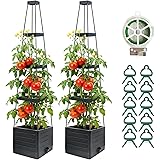
2 Pack Raised Garden Bed Planter Box with Trellis, 57" Self-Watering Tomato Planter with Trellis, Tomato Cage Plant Support for Climbing Plants Vegetable Vine Flowers Patio Outdoor Indoor
$29.99 (as of 08:19 GMT -05:00 - More infoProduct prices and availability are accurate as of the date/time indicated and are subject to change. Any price and availability information displayed on [relevant Amazon Site(s), as applicable] at the time of purchase will apply to the purchase of this product.)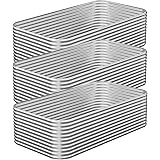
Now retrieving an image set.
CATMANOR 3 Pack Tall 4x2FT Corrugated Galvanized Steel Raised Garden Bed Outdoor, Metal Above Ground Garden Bed for Vegetables and Flowers, Raised Beds for Gardening
$89.99 (as of 08:19 GMT -05:00 - More infoProduct prices and availability are accurate as of the date/time indicated and are subject to change. Any price and availability information displayed on [relevant Amazon Site(s), as applicable] at the time of purchase will apply to the purchase of this product.)- Introduction
- Main Content
- FAQ
- Conclusion
Introduction
Urban gardening techniques have become essential as more city dwellers seek sustainable and productive ways to grow their own food and cultivate green spaces. Whether you have a small balcony or a rooftop terrace, mastering these techniques can transform limited spaces into lush, vibrant gardens. With the evolution of smart gardening tools and innovative methods, 2025 is the perfect year to embrace modern urban gardening.
Adopting effective urban gardening techniques not only enhances your space but also contributes to environmental health and personal well-being. From vertical planting to composting in tight quarters, these strategies empower you to make the most of every inch. Let’s explore how to implement these top techniques for a flourishing garden in the city in 2025.
1. Vertical Gardening and Wall Planters
Maximizing Space with Vertical Gardens
Vertical gardening allows you to use wall space creatively, turning bare surfaces into green oasis. It’s ideal for small urban areas where horizontal space is limited. You can install modular wall planters, hanging pockets, or even repurpose pallets for a stunning vertical display.
By employing vertical gardening techniques, you not only save space but also improve air quality and aesthetic appeal. Choose compact, lightweight plants like herbs or strawberries for easy maintenance. These gardens can be grown indoors or outdoors, making them versatile for any urban setting in 2025.
Innovative Wall Planters and Containers
Modern wall planters feature sleek, durable materials designed specifically for urban environments. Self-watering containers and collapsible planters provide convenience and flexibility. These innovative solutions help you manage watering efficiently, even in busy city life.
Implementing unique containers such as recycled bottles or shoe organizers can add a fun, creative touch. These options are budget-friendly and environmentally conscious, fitting seamlessly into your urban gardening techniques. In 2025, integrating smart watering systems with wall planters will become increasingly popular.
Choosing the Right Plants for Vertical Spaces
Not all plants thrive in vertical arrangements, so selecting the right species is crucial. Herbs like basil, mint, and parsley grow well in vertical gardens due to their compact size and rapid growth. Additionally, small vegetables such as cherry tomatoes and peppers are excellent options for vertical harvesting.
Plants that root easily and need minimal space are ideal for vertical gardening. Incorporate a mix of ornamental and edible plants to maximize both beauty and functionality. By choosing suitable plants, you can ensure a healthy, productive vertical garden in 2025.
Maintenance and Care of Vertical Gardens
Regular watering, pruning, and fertilizing are key to maintaining thriving vertical gardens. Automated drip irrigation systems are especially useful for urban gardeners seeking convenience. Keep an eye on potential pests, which can spread quickly in dense vertical setups.
Rotate and replace plants seasonally to prevent diseases and enhance diversity. Proper support for climbing plants and ensuring adequate sunlight exposure will keep your vertical garden looking lush. Effective care techniques will make your vertical gardening efforts rewarding and sustainable in 2025.
2. Container Gardening with Smart Technologies
Choosing the Best Containers for Urban Spaces
Container gardening is perfect for city dwellers with limited ground space. Select lightweight, weather-resistant containers that suit your plant choice and location. Consider materials like ceramic, plastic, or eco-friendly composites that provide durability and style.
Size matters—opt for appropriately sized containers to prevent overcrowding and root issues. Multi-tiered and stackable containers maximize vertical space. Smart container options equipped with sensors are gaining popularity for maintaining optimal soil moisture and nutrient levels.
Using Smart Watering and Fertilization Systems
Automation technology helps ensure your plants receive consistent watering and fertilization. Devices like Wi-Fi-enabled irrigation controllers allow you to schedule and monitor watering from your smartphone. This is especially useful for urban gardeners who may travel or have busy schedules.
Pair these systems with slow-release fertilizers and organic amendments to promote healthy growth. Integrating smart tech with container gardening techniques simplifies maintenance and improves crop yields in compact city environments.
Best Crops for Container Gardening in Cities
Herbs such as thyme, chives, and cilantro thrive in containers thanks to their small root systems and quick growth cycles. Leafy greens like lettuce, spinach, and kale are also excellent choices for urban container gardens. You can harvest fresh greens multiple times throughout the growing season.
Fruits like strawberries and dwarf citrus trees can be successfully grown in containers with proper care. Selecting the right plants for your climate and container size will optimize your gardening success in 2025. Keep in mind that sun exposure and drainage are critical for healthy containers.
Care and Maintenance in Container Gardens
Regular watering, monitoring soil moisture, and timely fertilization are crucial for container-grown plants. Use moisture sensors and automated watering systems to prevent both over- and under-watering. Container plants may need more frequent attention due to limited soil volume.
Rotate crops seasonally and refresh soil with organic compost to maintain soil vitality. Prune and harvest regularly to encourage continuous growth. With attentive care, your container garden will flourish using smart urban gardening techniques in 2025.
3. Sustainable Urban Gardening Practices
Composting in Small Urban Spaces
Composting is a vital urban gardening technique that reduces waste and enriches your soil. Even in limited spaces, you can use countertop compost bins or worm farms to convert kitchen scraps into nutrient-rich compost. This creates a sustainable loop of organic waste recycling.
Choose odorless composting methods suited for apartment living to avoid issues with smells or pests. The resulting compost improves your soil structure, boosts plant health, and decreases reliance on chemical fertilizers. Embracing composting in 2025 ensures an eco-friendly urban gardening approach.
Rainwater Harvesting and Water Conservation
Collecting rainwater is a smart urban gardening technique to reduce water bills and promote sustainability. Installing rain barrels or inline gutters helps capture runoff for watering your plants. This method provides chemical-free water and conserves precious resources.
Get a free subscription to PREPARE – with more gardening and homesteading tips!
Use watering cans or drip systems connected to rainwater sources for efficient irrigation. It’s especially useful during dry seasons or water restrictions in urban areas. By integrating rainwater harvesting, you support eco-friendly practices and enhance plant resilience in your garden.
Organic Pest and Disease Management
Practicing organic pest control methods is essential for maintaining healthy urban gardens. Use natural predators like ladybugs or apply neem oil to manage pests effectively. Proper plant spacing and rotation also prevent disease spread and improve airflow.
Implementing integrated pest management (IPM) techniques ensures minimal chemical use and healthier plants. Regular inspection and early intervention are critical for pest prevention. Adopting organic techniques aligns with sustainable urban gardening strategies in 2025.
Incorporating Native Plants and Pollinator Gardens
Building native plant gardens supports local ecosystems and requires less maintenance. Choose plant species adapted to your city’s climate to ensure better growth and resilience. Creating spaces for pollinators like bees and butterflies also benefits overall garden productivity.
Designing your urban garden with native plants attracts beneficial insects and promotes biodiversity. It’s a simple, impactful way to implement urban gardening techniques that harmonize with the environment. Native plant and pollinator gardens will be increasingly popular in 2025 urban landscapes.
4. Innovative Garden Design and Accessibility
Designing Accessible Urban Gardens
Designing gardens that are accessible to everyone is a key urban gardening technique. Use raised beds, ergonomic tools, and wide pathways to accommodate people with mobility challenges. Accessibility enhances participation and enjoyment for all users.
Bright signage, contrasting colors, and easy-access containers also improve usability. Incorporating these features creates inclusive urban spaces that foster community engagement and allow more people to benefit from gardening in 2025.
Incorporating Aesthetic and Functional Elements
Blend beauty with functionality by adding decorative elements such as sculptures, lighting, and seating areas. Using different textures and colors enhances visual interest while creating relaxing zones. Functional features like compost bins, tool storage, and rainwater harvesting systems should be seamlessly integrated.
This combination ensures your urban garden is both appealing and practical. Thoughtful design elevates your gardening experience and inspires others to adopt similar techniques in their city spaces in 2025.
Managing Urban Noise and Pollution
Strategically placing greenery, such as hedges and trees, helps reduce urban noise and pollution. Tall plants and dense foliage act as natural sound barriers and air purifiers. Incorporating vertical gardens also contributes to cleaner, healthier city environments.
In 2025, innovative solutions like green walls and sheltering structures will become common for creating peaceful, clean urban gardens. These techniques not only improve your personal space but also contribute to broader community health.
Using Modular and Portable Garden Systems
Modular garden systems offer flexibility and easy customization for small urban spots. You can rearrange and expand your garden as needed, making the most of limited space. Portable pots and lightweight frames are perfect for renters or those who frequently change their outdoor setups.
By employing modular urban gardening techniques, you create adaptable, scalable gardens that suit your evolving needs. In 2025, the trend toward portable, easy-to-install garden systems will continue to grow, making urban gardening more accessible than ever.
FAQ
What are the most effective urban gardening techniques for small balconies?
For small balconies, vertical gardening and container planting are highly effective. Using wall-mounted planters, hanging baskets, and multi-tiered containers maximizes limited space. Incorporate compact, easy-to-maintain plants like herbs, lettuces, and strawberries for quick yields and visual appeal.
How can I implement sustainable urban gardening techniques in limited space?
Start by composting kitchen scraps to enrich your soil naturally. Collect rainwater for irrigation, and choose native plants to reduce resource needs. Organic pest control methods and permaculture principles also help create a sustainable, environmentally friendly garden setup in compact urban environments.
Are urban gardening techniques expensive to start?
Many urban gardening techniques are budget-friendly, especially DIY options like recycled containers and simple vertical plantings. While smart irrigation systems and high-tech planters may cost more, they often save money long-term through efficient water use and reduced maintenance. Start small and expand as you learn and save.
What are the benefits of adopting urban gardening techniques in 2025?
By adopting urban gardening techniques in 2025, you can enjoy fresh, homegrown produce, improve air quality, and create beautiful, tranquil spaces amid city noise and pollution. These methods promote sustainability, reduce your carbon footprint, and foster community engagement. Embracing these techniques helps make cities greener and healthier for everyone.
Conclusion
Mastering urban gardening techniques is more important than ever as we approach 2025. Whether through vertical gardens, smart container systems, or sustainable practices, these methods empower city residents to cultivate thriving green spaces. Embracing innovative urban gardening techniques not only enhances personal living environments but also contributes to a healthier, more sustainable urban world.
Get a free subscription to PREPARE – with more gardening and homesteading tips!
Find out more information about “urban gardening techniques”
Search for more resources and information:
Related Content
- Keeping your family healthy with an organic garden
- Free Virtual Workshop: Construct Your Own Traditional Compost Bin
- Student Invents Toilet That Converts Poop into Energy – With Cryptocurrency Payment for …
- ONLINE PROGRAM | Ask-the-Expert: Composting 101 — Texas Parks & Wildlife Department
- How To Grow An Organic Garden Like A Pro