Now retrieving an image set.
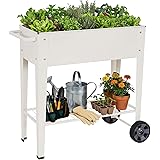
BIRDSINYARD Elevated 32" Tall Raised Garden Bed with Legs and Wheels for Mobility, Metal Planter Boxes Outdoor with Shelf, Raised Bed for Gardening Vegetables/Herbs, Backyard, Patio, Balcony, White
$54.99 (as of 08:24 GMT -05:00 - More infoProduct prices and availability are accurate as of the date/time indicated and are subject to change. Any price and availability information displayed on [relevant Amazon Site(s), as applicable] at the time of purchase will apply to the purchase of this product.)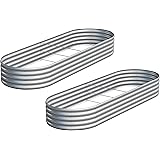
Now retrieving an image set.
Easllre 2PCS 8x2x1ft Galvanized Metal Raised Garden Bed Kit,Outdoor Planter Box Vegetables,Flowers,Herbs Durable Rust-Resistant Patio Gardening Beds
$58.99 (as of 08:24 GMT -05:00 - More infoProduct prices and availability are accurate as of the date/time indicated and are subject to change. Any price and availability information displayed on [relevant Amazon Site(s), as applicable] at the time of purchase will apply to the purchase of this product.)Table of Contents
- 1. Raised Bed Gardens
- 2. Vertical Gardening Structures
- 3. Companion Planting Layouts
- 4. Seasonal Rotation Planning
- 5. Mix-and-Match Planting Zones
- 6. Narrow-Aisle and Pathway Optimization
- 7. Integrated Composting and Waste Management
- 8. Corner and Raised Corners
- 9. Water-Conserving Layouts
- 10. Smart Technology Integration
1. Raised Bed Gardens
Maximizing Space and Soil Quality
Raised bed gardens continue to be a top vegetable garden layout idea for 2025 because they optimize space and soil quality. By elevating your planting areas, you improve drainage and reduce soil compaction, which is vital for healthy root development. For example, a 4×8 foot raised bed can hold a substantial amount of vegetables like tomatoes, lettuce, and peppers, making it efficient for small and large gardens alike.
Moreover, raised beds allow for better soil management. You can fill them with high-quality soil mixes tailored to specific crops, ensuring your plants get nutrients from the start. This is especially beneficial as soil health remains a key factor in maximizing harvests in 2025, with research indicating that nutrient-rich soils can increase vegetable yields by up to 25%.
To implement this layout, consider adding trellises within your raised beds for vining crops, saving valuable ground space. Also, raised beds are easier to maintain, reducing back strain and making planting and harvesting more accessible for gardeners of all ages.
Design Tips & Practical Advice
When designing raised beds, think about accessibility; place them at convenient heights, typically 12-24 inches. Use durable materials like cedar or composite lumber to ensure longevity. For organization, separate beds by narrow pathways, ideally 18-24 inches wide, to allow easy movement.
Another tip is to create a modular layout where beds are aligned in rows or clusters, facilitating crop rotation and companion planting strategies. By planning your raised beds thoughtfully, youâll create a garden layout that maximizes space, productivity, and ease of maintenance in 2025.
2. Vertical Gardening Structures
Space-Saving Solutions for Small Gardens
Vertical gardening is a game-changer for limited spacesâperfect for urban or small backyard vegetable gardens. In 2025, innovative vertical structures like wall-mounted planters, tall towers, and hanging containers are trending as essential elements of vegetable garden layout ideas. They allow you to grow tomatoes, cucumbers, beans, and leafy greens upwards instead of outwards, saving ground space.
Vertical gardens are also highly beneficial for improving air circulation around plants, which can reduce disease incidence. For example, hanging baskets are ideal for growing herbs and strawberries, while tower systems can support large vining crops efficiently.
Furthermore, these structures can be customized and mobility-friendly, enabling you to rearrange your garden layout easily according to seasons and weather conditions, boosting your total harvest output in 2025.
Design Tips & Practical Advice
Choose sturdy, weather-resistant materials like metal or treated wood for your vertical structures. Ensure proper watering systemsâdrip irrigation or self-watering containers work well to keep vertical gardens hydrated.
Arrange your vertical planters in zones based on sunlight exposure, with taller structures placed where they won’t shade smaller plants. Incorporating trellises, cages, or espalier techniques can further enhance vertical space utility, making your vegetable garden layout ideas more efficient and productive.
3. Companion Planting Layouts
Enhancing Growth and Pest Control
Companion planting involves arranging different vegetables and herbs to benefit one another, an age-old technique that is extremely relevant in 2025. Planning your vegetable garden layout ideas around compatible pairs or groups can substantially increase yields and reduce pests naturally. For instance, planting basil near tomatoes improves flavor and deters pests, while marigolds repel nematodes and aphids.
Strategic placement in your garden layout not only optimizes space but also promotes healthier plants. Root crops like carrots and onions can be planted together without competing for nutrients. Incorporating specific groupings can also encourage beneficial insects, such as ladybugs and pollinators, increasing overall productivity.
To maximize this layout idea, start with a chart of known companion plants and plan your garden beds accordingly. Rotate these groupings annually to prevent soil exhaustion and pest buildup, keeping your garden productive year after year.
Design Tips & Practical Advice
Create visual zones within your garden to group compatible plants. Use labels and markers for easy identification, especially if you plan on experimenting with different pairings each season.
Implement crop rotation schemes that consider your companion planting choices, ensuring that soil health and pest resistance are maintained over time. Combining companion planting with vertical and raised-bed layouts can lead to highly efficient and sustainable vegetable garden layouts in 2025.
4. Seasonal Rotation Planning
Optimizing Year-Round Harvests
In 2025, effective vegetable garden layout ideas incorporate seasonal crop rotation to maximize harvests and maintain soil vitality. Rotating crops helps prevent soil depletion and reduces pest and disease cycles. For example, rotating legumes with nitrogen-depleting crops like squash ensures your soil remains fertile and productive across different seasons.
Planning your layout with rotation in mind means dedicating sections of your garden to specific plant families and switching them out annually. This approach allows each plantâs nutrient and space needs to be met while harnessing natural pest control methods.
According to recent studies, crop rotation can increase yields by up to 20% over traditional, fixed-layout gardens, making it a critical feature of modern vegetable garden layout ideas.
Design Tips & Practical Advice
Develop a rotation chart for your garden, noting which crops are planted where each season. This plan can be simplified into a color-coded map for quick reference during planting time.
Combine rotation planning with cover cropping during offseason periods, improving soil health further. This integrated approach ensures your garden remains resilient and productive in 2025.
5. Mix-and-Match Planting Zones
Creating Diverse and Sustainable Gardens
Designing your vegetable garden with mixed zones allows you to diversify plantings for better pest control, pollination, and resource use. Instead of segregating crops strictly, you blend them in zones such as leafy greens with root vegetables or peppers with herbs. This approach is increasingly popular in 2025 vegetable garden layout ideas because it fosters a resilient ecosystem.
Mixed zones also facilitate interplanting, which can reduce space gaps and increase yields. For example, planting beans alongside squash maximizes ground coverage and companion benefits.
Practical implementation involves planning your garden beds to include various crop types that complement each other, reducing the risk of total crop failure.
Design Tips & Practical Advice
Use companion planting guides to choose optimal combinations for your zones. Incorporate walkways that allow easy access to maintain and harvest amid diverse plantings.
To maximize productivity, stagger planting dates within zones, ensuring a continuous harvest throughout the growing season in 2025.
6. Narrow-Aisle and Pathway Optimization
Maximizing Garden Footprint
In 2025, innovative vegetable garden layout ideas include designing narrow aisles and pathways that maximize planting space while allowing ease of movement. Think about pathways no wider than 18-24 inchesâthis saves space and increases planting bed area. Efficient use of pathways also means less stepping on soil, helping maintain structure and soil health.
Implementing tools like wheelbarrows, collapsible carts, or lightweight planters can make maintenance easier in tight spaces, boosting productivity.
Research indicates that optimized pathway design can increase planting area by up to 15%, making this a practical tip for aspiring gardeners aiming for higher yields in smaller gardens.
Get a free subscription to PREPARE – with more gardening and homesteading tips!
Design Tips & Practical Advice
Create a clear zone system: designate areas for planting, composting, and watering. Use permeable materials like gravel or pavers to prevent soil compaction.
Implement raised beds or container gardening along pathways for even more efficient use of space, blending aesthetics with function in your vegetable garden layout ideas for 2025.
7. Integrated Composting and Waste Management
Sustainable Waste Recycling
Creating composting zones within your vegetable garden layout ideas ensures waste is recycled efficiently into nutrient-rich soil amendments. In 2025, gardeners are increasingly integrating compost bins into their garden designs, reducing waste and boosting plant growth.
Position your compost area conveniently near planting beds yet discreet enough not to interfere aesthetically. Use composting methods suited to your space, such as tumblers or vermicomposting for smaller areas.
Research shows that well-managed compost can boost soil fertility and crop output by up to 30%, making it a vital feature for productive vegetable gardens in 2025.
Design Tips & Practical Advice
Balance accessibility and aesthetics by placing compost bins where they can easily be maintained. Cover bins to prevent odors and pests.
Incorporate composting into your overall layout, ensuring it does not shadow plants or take up prime gardening space, but remains part of the sustainable design principles in your vegetable garden layout ideas.
8. Corner and Raised Corners
Utilizing Every Inch
Effective use of corners and raised edges in your garden layout ideas can significantly increase your planting area. Corners are often underused spaces, but by designing raised beds or container groups in these zones, you optimize space and create visual interest.
This approach also simplifies access to difficult corners and allows for creative planting configurations, including vertical or layered plantings. For example, a corner dedicated to herbs or small root crops can be quickly harvested and maintained.
Strategic placement of these zones adds to both the productivity and visual appeal of your garden, making it a practical choice for 2025 garden layouts.
Design Tips & Practical Advice
Use modular raised beds or corner planters with integrated seating or decorative features for multifunctional use. Ensure good soil depth and drainage for the crops you select.
Incorporate pathways or stepping stones to access these corners easily, preventing soil compaction and facilitating maintenance, thus optimizing your vegetable garden layout ideas.
9. Water-Conserving Layouts
Smart Water Management
In 2025, water conservation remains critical, leading to the popularity of layouts designed to minimize wastage. Drip irrigation, self-watering containers, and mulching are core components of water-efficient vegetable garden layout ideas.
Designing your garden beds to promote water retentionâsuch as incorporating berms or contour plantingâreduces runoff and ensures plants receive consistent moisture. Grouping plants with similar water needs prevents overwatering or underwatering, further conserving water.
Data shows that these water-wise strategies can cut water use by up to 50%, making them essential for sustainable and productive gardens in 2025.
Design Tips & Practical Advice
Use rain barrels to collect free water, and position watering devices to reach all plants efficiently. Mulch heavily around plants to retain moisture and keep soil temperature stable.
Design layouts that group drought-tolerant plants together with moisture-loving plants separately, optimizing your water use and plant healthâkey aspects of modern vegetable garden layout ideas.
10. Smart Technology Integration
Automated and Data-Driven Gardening
The future of vegetable garden layout ideas in 2025 heavily leans on smart technology. Using sensors, automatic watering systems, and garden management apps, you can precisely control watering, lighting, and even soil conditions for optimal plant growth.
For example, soil moisture sensors can trigger irrigation only when necessary, saving water while ensuring healthy crops. Drones and AI-driven analysis are emerging tools to monitor pest activity and plant health.
Implementing these tech solutions allows you to maximize harvests while minimizing effort and resource use, making your garden more efficient and sustainable.
Design Tips & Practical Advice
Start with a centralized control system compatible with your existing devices. Map your garden zones digitally to plan placements of sensors, sprinklers, and lighting for maximum efficiency.
Complement high-tech features with traditional practices for a balanced, modern vegetable garden layout idea for 2025.
Conclusion
In 2025, the best vegetable garden layout ideas are those that blend innovation with practicality. From raised beds and vertical structures to integrated technology and water-saving designs, each strategy helps you maximize your harvest while simplifying garden maintenance. Incorporating the exact keyword phrase ‘vegetable garden layout ideas’ throughout this guide highlights how thoughtful planning transforms even small spaces into lush, productive vegetable gardens. Whether you’re a beginner or a seasoned gardener, applying these ideas will bring more fresh produce to your table this year and beyond. Remember, a well-designed garden is the foundation of abundant harvestsâso start planning today!
Frequently Asked Questions
1. What are the best vegetable garden layout ideas for small spaces in 2025?
Vertical gardening, raised beds, and efficient pathway design are ideal layout ideas for small spaces, allowing you to maximize productivity in limited areas.
2. How can I incorporate water conservation into my vegetable garden layout ideas?
Use drip irrigation, mulching, and group plants with similar water needs to reduce water waste and maintain healthy crops throughout 2025.
3. Why should I consider crop rotation in my garden layout?
Crop rotation helps prevent soil exhaustion and reduces pests, ensuring your garden remains productive and sustainable year after year.
4. How do smart technologies enhance vegetable garden layouts in 2025?
Smart sensors, automated watering, and data-driven management allow precise control of garden conditions, boosting yields and saving resources.
5. Can mixed planting zones improve my harvest in 2025?
Yes, mixing compatible plants can improve pest control, pollination, and space utilization, leading to more abundant and diverse vegetable yields.