Now retrieving an image set.
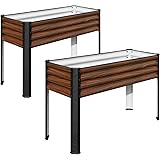
SnugNiture Raised Garden Bed with Legs, 2PCS 48×18×32in Outdoor Metal Elevated Raised Planter Box for Backyard, Patio, Balcony
$109.99 (as of 08:19 GMT -05:00 - More infoProduct prices and availability are accurate as of the date/time indicated and are subject to change. Any price and availability information displayed on [relevant Amazon Site(s), as applicable] at the time of purchase will apply to the purchase of this product.)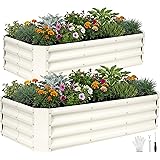
Now retrieving an image set.
INNO STAGE 2Pcs Galvanized Raised Garden Bed Kit, 4x2x1FT Metal Raised Garden Beds for Vegetables, Rust-Resistant & Easy Assembly, Outdoor Raised Beds for Gardening, Flowers, Herbs (White)
$47.29 (as of 08:19 GMT -05:00 - More infoProduct prices and availability are accurate as of the date/time indicated and are subject to change. Any price and availability information displayed on [relevant Amazon Site(s), as applicable] at the time of purchase will apply to the purchase of this product.)- Introduction
- Benefits of Proper Pest Prevention
- 1. Keep Your Soil Healthy for Pest Resistance
- 2. Use Companion Planting Strategies
- 3. Opt for Organic Pesticides and Natural Remedies
- 4. Practice Crop Rotation Regularly
- 5. Install Physical Barriers to Keep Pests Out
- 6. Select Pest-Resistant Vegetable Varieties
- 7. Conduct Regular Garden Inspections
- 8. Encourage Natural Predators in Your Garden
- 9. Maintain Garden Sanitation Practices
- 10. Educate Yourself on Common Pests & Prevention Techniques
- FAQs
- Conclusion
Introduction
As a passionate vegetable gardener, I know how frustrating pests can beâespecially in 2025, when new threats continuously emerge due to climate changes and evolving pest populations. The key to a successful and bountiful harvest lies in effective vegetable garden pest prevention tips. By implementing strategic measures today, you can protect your crops and reduce reliance on harsh chemicals. This article shares 10 expert-approved tips to keep pests at bay and ensure your garden thrives this year and beyond.
Benefits of Proper Pest Prevention
Healthy Crops and Higher Yields
Preventing pests before they damage your plants leads to healthier vegetables and higher yields. Crushed leaves, eaten stems, or spoiled fruit compromise nutritional value and taste. Timely pest prevention ensures your garden produces optimally, saving you time and effort in pest management later on.
Environmental Sustainability
Adopting organic and preventative strategies reduces the need for chemical pesticides, which can harm beneficial insects and pollute local waterways. Proper pest prevention aligns with eco-friendly gardening practices, contributing to a more sustainable environment in 2025.
Cost-Effective Gardening
Although some preventative measures may require initial investments, they ultimately save money by decreasing the need for costly chemical treatments or replacing damaged crops. Effective pest prevention is an essential aspect of budget-friendly gardening.
1. Keep Your Soil Healthy for Pest Resistance
Build Soil Fertility Naturally
Healthy soil is the foundation of a resilient garden. Incorporate compost, organic matter, and cover crops to enrich your soil. Nutrient-rich soil boosts plant vigor, making your vegetables less susceptible to pest attacks. In 2025, soil health initiatives are especially vital due to increasing soil degradation.
Maintain Proper pH Levels
Most vegetables thrive within specific pH ranges (6.0-7.0). Regular testing helps you adjust acidity or alkalinity, which can deter pests that prefer acidic or overly alkaline environments. Balanced soil pH promotes strong root systems and healthy growth.
Avoid Soil Contamination
Use certified organic amendments and avoid chemical fertilizers that can weaken plant defenses. Proper soil management creates a natural barrier against pests and diseases, reducing the need for additional control methods.
2. Use Companion Planting Strategies
Identify Effective Companion Plants
Growing certain plants together can naturally repel pests. For example, marigolds deter nematodes and aphids, while basil repels whiteflies. In 2025, companion planting remains one of the most eco-friendly vegetable garden pest prevention tips.
Design Your Layout Strategically
Arrange your garden to maximize the benefits of companion planting. For instance, plant marigolds around tomato beds or basil close to peppers. This natural pest deterring method is both effective and aesthetically pleasing.
Monitor and Adapt
Observing pest patterns and adjusting plant combinations can enhance protection. Tailoring your companion planting techniques based on local pest issues in 2025 ensures better resistance and healthier crops.
3. Opt for Organic Pesticides and Natural Remedies
Natural Pest Control Options
Organic pesticides like neem oil, insecticidal soaps, and diatomaceous earth are safe options that won’t harm beneficial insects. In 2025, the trend toward organic pest control continues to grow, providing effective solutions without chemical residues.
Apply Properly for Best Results
Follow instructions carefully, applying during early mornings or late evenings to minimize harm to pollinators. Regular application and coverage are essential for pest prevention.
Combine with Other Strategies
Use organic pesticides alongside crop rotation and physical barriers for maximum effect. This integrated pest management approach aligns with the latest sustainable gardening practices.
4. Practice Crop Rotation Regularly
Reduce Pest Build-up
Rotating crops interrupts pest life cycles, preventing them from establishing permanent populations. For example, avoid planting tomatoes in the same spot year after year, as they attract specific pests like tomato hornworms.
Plan Your Rotation Schedule
Create a plan that cycles vegetables based on familiesâsolanaceae (tomatoes, peppers), cucurbitaceae (cucumbers, squash), etc. Rotating these crops helps maintain soil health and pest resistance.
Consider Cover Crops During Off-Season
Using cover crops such as clover or vetch can improve soil fertility and reduce pest habitats, making your garden less attractive to pests in 2025 and beyond.
5. Install Physical Barriers to Keep Pests Out
Use Row Covers and Netting
Floating row covers are a simple yet effective way to protect tender plants from insects and birds. In 2025, incorporating lightweight, breathable materials enhances pest prevention without hindering pollination.
Set Up Barriers Early
Installing barriers at the beginning of the season prevents pests from establishing themselves or reaching your crops. Regularly inspect and repair any tears or openings to maintain barrier integrity.
Utilize Sticky Traps and Barriers
Sticky traps attract and capture flying pests, reducing infestation chances. Position these around your garden to monitor pest activity and take action proactively.
6. Select Pest-Resistant Vegetable Varieties
Choose Hybrid and Open-Pollinated Varieties
Opting for pest-resistant or tolerant varieties can significantly lower attack rates. In 2025, many seed companies offer hybrids designed to withstand local pest challenges, making gardening easier and more productive.
Get a free subscription to PREPARE – with more gardening and homesteading tips!
Research Local Pest Trends
Stay informed about pests common in your region and select varieties that resist those pests specifically. Consulting local garden centers or extension services can help you make smart choices.
Consider Organic Certification and Proven Results
Valuable pest-resistant varieties often come with organic certifications or documented pest resistance, ensuring your seed choices are effective and sustainable.
7. Conduct Regular Garden Inspections
Establish a Routine Inspection Schedule
Checking your garden at least twice a week helps catch pest issues early. In 2025, early detection remains crucial for effective vegetable garden pest prevention tips.
Learn Pest Identification
Knowing how to identify common pests and their damage helps in implementing targeted control measures, saving time and resources.
Remove Pests and Infested Material Promptly
Manual removal of insects or infected plant parts prevents the spread and reduces the population overall, making pest prevention more manageable.
8. Encourage Natural Predators in Your Garden
Attract Beneficial Insects
Ladybugs, lacewings, predatory beetles, and parasitic wasps help control pest populations naturally. Planting diverse flowering plants attracts these beneficial predators.
Create Habitat and Shelter
Providing insect hotels or areas with undisturbed soil encourages beneficial insects to settle and thrive in your garden ecosystem.
Limit Pesticide Use to Preserve Predators
Reduce or eliminate broad-spectrum pesticides that kill beneficial insects. Emphasize the importance of natural pest control in your 2025 gardening plan.
9. Maintain Garden Sanitation Practices
Remove Debris and Infected Plants
Cleaning up plant debris and fallen fruits decreases pest habitats and reduces overwintering sites. In 2025, sanitation is a straightforward way to prevent pest buildup.
Practice Proper Watering
Overwatering can lead to fungal and pest issues. Water early in the day to allow foliage to dry, discouraging pests that thrive in moist conditions.
Rotate Work and Tools
Cleaning tools and equipment prevents transferring pests and diseases between plants and zones.
10. Educate Yourself on Common Pests & Prevention Techniques
Stay Informed with Up-to-Date Resources
Follow local extension reports, gardening blogs, and official pest alerts for 2025.Being knowledgeable helps you implement timely vegetable garden pest prevention tips effectively.
Join Gardening Communities
Participating in online forums or local gardening groups allows sharing experiences, troubleshooting, and learning the latest sustainable pest control methods.
Attend Workshops and Read Guides
Workshops on IPM (Integrated Pest Management) and pest identification equip you with practical skills that directly benefit your garden.
FAQs
Q1: What are the best vegetable garden pest prevention tips for beginners?
Start with healthy soil, regular inspections, and physical barriers. Use organic pest control and crop rotation for sustainable gardening.
Q2: How can I prevent pests naturally in my vegetable garden in 2025?
Implement companion planting, attract beneficial insects, use organic pesticides, and maintain garden sanitationâthese are key vegetable garden pest prevention tips for eco-conscious gardeners.
Q3: How often should I inspect my garden for pests?
Ideally, inspect your garden at least twice a week to catch issues early and apply preventive measures.
Q4: Are chemical pesticides necessary for pest control?
In 2025, most gardeners prefer organic and natural methods. Chemical pesticides should be a last resort due to environmental concerns and potential resistance buildup.
Q5: Which vegetables are most vulnerable to pests and how to protect them?
Tomatoes, peppers, and cucumbers are common targets. Regular inspections, resistant varieties, and physical barriers are effective preventions.
Conclusion
In 2025, mastering vegetable garden pest prevention tips is essential for any successful gardener. By focusing on soil health, strategic planting, natural predators, and consistent monitoring, you can safeguard your crops against pests effectively. Remember, proactive measures in your vegetable garden not only protect your harvest but also promote a healthier environment. Incorporate these 10 pest prevention tips into your gardening routine, and enjoy a thriving, pest-free vegetable garden this year and into the future.