Now retrieving an image set.
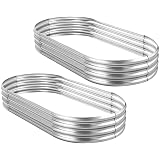
Land Guard 2Pcs Galvanized Raised Garden Bed Kit, Galvanized Planter Oval Large Metal Raised Garden Boxes Outdoor for Vegetables…
$39.99 (as of 12:59 GMT -05:00 - More infoProduct prices and availability are accurate as of the date/time indicated and are subject to change. Any price and availability information displayed on [relevant Amazon Site(s), as applicable] at the time of purchase will apply to the purchase of this product.)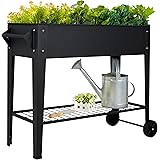
Now retrieving an image set.
LEETOLLA Elevate 32" Tall Raised Garden Bed Outdoor with Wheels & Shelf for Mobility, 400LBS Capacity, Anti-Rust Steel Planter Box for Vegetables/Herbs, Patio-Balcony-Backyard
$59.84 (as of 12:59 GMT -05:00 - More infoProduct prices and availability are accurate as of the date/time indicated and are subject to change. Any price and availability information displayed on [relevant Amazon Site(s), as applicable] at the time of purchase will apply to the purchase of this product.)- 1. Companion Planting for Higher Yields
- 2. Building Healthy Soil for Consistent Success
- 3. Efficient Water Management Techniques
- 4. Extending the Growing Season
- 5. Organic Pest and Disease Control
- 6. Embracing Multilevel and Vertical Gardening
- 7. Using Technology and Tools for Better Productivity
- 8. Incorporating Sustainable and Permaculture Principles
- 9. Diversifying Crops for Resilience
- 10. Building Community Networks for Shared Success
1. Companion Planting for Higher Yields
Understanding Plant Pairings
Companion planting is a time-tested strategy that maximizes space and boosts productivity in vegetable gardening for self sufficiency. By choosing the right plant combinations, you can naturally repel pests, improve soil health, and increase crop yields. For instance, planting beans alongside corn not only utilizes vertical space but also enriches the soil with nitrogen.
In 2025, integrating data-driven companion planting guides has made it easier for gardeners to plan successful layouts. For example, marigolds are widely known for repelling aphids and nematodes, making them a perfect addition near tomato plants. Combining herbs like basil with peppers can also improve flavor and pest resistance.
Start by researching proven plant pairings suitable for your local climate and season. Creating a planting plan that includes supportive companions can lead to healthier plants and a more abundant harvestâcrucial for those practicing vegetable gardening for self sufficiency.
Practical Tips for Implementation
To implement effective companion planting, sketch your garden layout first, considering plant height, root depth, and growth habits. Use color coding to visualize beneficial pairings. Keep records of your successes and failures to refine your plan over time.
Mixing fast-growing plants like radishes with slower vegetables such as carrots can optimize space and reduce weed growth. Remember to rotate your crop pairings annually to prevent soil depletion and disease buildup.
Actionable tip: Use plant spacers and supports to accommodate different plants, and regularly monitor pest activity to adjust your companion strategy as needed.
2. Building Healthy Soil for Consistent Success
Amending Soil Naturally
Healthy soil is the foundation of an productive vegetable garden for self sufficiency. In 2025, organic soil amendments such as compost, biochar, and cover crops are essential for building fertile, resilient soils. Composting kitchen scraps and garden waste can produce rich compost that improves soil structure and supplies vital nutrients.
Biochar, a form of charcoal added to soil, enhances water retention and microbial activity. Incorporating cover crops such as clover or vetch during the off-season fixes nitrogen in the soil naturally, reducing the need for synthetic fertilizers.
Regular soil testing helps you determine nutrient levels and pH, enabling targeted amendments. Making soil health a priority ensures your vegetables grow vigorous and resistant to pests and diseases, supporting your self-sufficiency goals.
Practical Soil Management Tips
Create a composting routine and apply aged compost monthly. Rotate cover crops yearly to maintain soil vitality. Mulch around plants to conserve moisture, suppress weeds, and enrich the topsoil with organic matter.
Consider using eco-friendly fertilizers derived from fish emulsion or seaweed extracts. These boost plant growth without harming beneficial soil organisms.
3. Efficient Water Management Techniques
Rainwater Harvesting and Storage
Water efficiency is critical in vegetable gardening for self sufficiency, especially in 2025 when climate variability impacts water availability. Installing rainwater harvesting systems allows you to collect and store runoff, reducing reliance on municipal water and lowering costs.
Simple setups like rain barrels or more complex underground storage tanks can capture significant water during rainy periods. Using collected rainwater for watering reduces chemical exposure and supports environmentally friendly gardening practices.
Ensure your watering system is equipped with filters and timers to deliver water efficiently, and prioritize deep watering to encourage strong root growth.
Drip Irrigation and Mulching
Implementing drip irrigation provides targeted moisture directly to plant roots, minimizing waste. In 2025, utilizing smart irrigation controllers can optimize water use based on weather data, conserving resources further.
Mulching around vegetables helps retain soil moisture, regulate temperature, and suppress weeds. Organic mulches like straw, shredded leaves, or wood chips enrich the soil as they decompose.
Action tip: Combine rainwater harvesting with drip irrigation for a cost-effective, sustainable watering system that supports your vegetable gardening for self sufficiency efforts.
4. Extending the Growing Season
Greenhouses and Cold Frames
In 2025, greenhouse technology has become more affordable and efficient, allowing gardeners to extend their vegetable growing season dramatically. Using a simple cold frame or hoop house can protect plants from early frosts and enable year-round harvests.
A well-designed cold frame can increase your growing days by 4-6 weeks at each end of the season, providing fresh vegetables even in winter. Additionally, controlled environment greenhouses allow for the cultivation of temperature-sensitive crops like tomatoes and peppers during colder months.
Investing in energy-efficient heating options, such as solar heaters, can further reduce costs and boost sustainability.
Indoor Gardening and Microclimates
Maximize space and extend harvests by growing vegetables indoors using grow lights and hydroponic systems. Creating microclimates within your yardâsuch as south-facing wallsâcan provide additional protection and warmth for early planting.
Constantly monitor light and temperature levels to optimize growth conditions, which is crucial for maintaining productivity in vegetable gardening for self sufficiency.
Pro Tip: Use seasonal planting calendars to plan your greenhouse and indoor garden schedules, ensuring continuous food production throughout the year.
5. Organic Pest and Disease Control
Natural Pest Deterrents
Managing pests organically is a key component of vegetable gardening for self sufficiency. Using companion planting to attract beneficial insects like ladybugs and lacewings naturally controls aphids and other pests. Incorporating aromatic herbs such as basil and mint can also repel unwanted visitors.
Organic pesticides, like neem oil and insecticidal soaps, are effective when applied carefully. Always follow application instructions and target pests early to prevent infestations from becoming destructive.
Creating insect-friendly habitats nearby, such as pollinator gardens, supports overall garden health and resilience.
Preventative Disease Management
Many plant diseases stem from poor air circulation, overwatering, or contaminated tools. Regularly inspecting plants and practicing proper sanitation reduces disease spread. Crop rotation and resistant varieties further safeguard your vegetables.
In 2025, innovative biological controlsâlike beneficial fungi and bacteriaâare gaining popularity, providing eco-friendly options for disease management.
Tip: Keep a garden journal to record disease outbreaks and remedies used, fostering a proactive approach to organic pest and disease prevention.
6. Embracing Multilevel and Vertical Gardening
Maximizing Small Spaces
Vertical gardening is a game changer for vegetable gardening for self sufficiency, especially in limited spaces. Using trellises, cages, and wall-mounted planters enables you to grow tomatoes, cucumbers, and beans vertically, freeing up ground space for root vegetables.
In 2025, innovative DIY vertical garden setups, such as repurposed pallets or fabric bags, make it affordable and accessible for all gardeners. These methods also improve air circulation and reduce disease risk.
Experiment with layered plantingâplanting taller crops at the back with shorter ones in frontâto maximize light exposure and harvest yields.
Get a free subscription to PREPARE – with more gardening and homesteading tips!
Indoor Vertical Solutions
Indoor vertical systems using grow lights can supplement outdoor gardening, providing fresh herbs and leafy greens year-round. This is especially useful during winter months or in urban environments.
Adjust light spectrums and durations to foster healthy growth, and use self-watering installations for convenience and water efficiency.
Pro Tip: Think of vertical gardening as an extension of your overall plan for vegetable gardening for self sufficiency, making the most of every available inch.
7. Using Technology and Tools for Better Productivity
Smart Garden Technology
In 2025, smart gardening apps and sensors have become invaluable for managing vegetable gardens efficiently. Soil moisture sensors, weather forecasting, and automated watering systems help optimize resource use and reduce waste.
Apps can also provide planting calendars, pest alerts, and growth tracking, helping gardeners stay organized and proactive. Investing in these tools ensures a higher success rate and efficient use of resources.
Consider using drone imaging for large gardens or monitoring plant health remotely, saving time and effort.
Essential Gardening Tools
Quality tools like ergonomic trowels, pruning shears, and durable gloves improve the gardening experience. In 2025, eco-friendly tools made from sustainable materials are increasingly popular, supporting sustainable vegetable gardening for self sufficiency.
Proper tool maintenance extends lifespan and performanceâa sharp blade or well-oiled pruners make tasks easier and reduce plant damage.
Tip: Invest in a compact tool kit tailored for vegetable gardening to streamline your workflow and boost productivity.
8. Incorporating Sustainable and Permaculture Principles
Designing for Permanence and Resilience
Permaculture emphasizes designing gardens that mimic natural ecosystems, which is vital for sustainable vegetable gardening for self sufficiency. Techniques like crop layering, water harvesting, and perennial planting create a resilient, low-maintenance system.
Zone planningâplacing frequently harvested vegetables closer to your homeâreduces labor and saves time. Incorporating fruit trees and perennial vegetables reduces annual planting demands.
Use swales and contour beds to manage water flow, prevent erosion, and enhance soil moisture retention.
Reducing Waste and Recycling
Composting, mulching, and reusing materials like old pallets and containers decrease waste and improve garden sustainability. Harvesting rainwater or greywater systems further reduces the environmental footprint.
In 2025, conscious gardening practices like seed saving and plant propagation from cuttings promote self-reliance and cost savings.
Action step: Develop a permaculture plan tailored to your space, integrating best practices for long-term sustainability.
9. Diversifying Crops for Resilience
Multiple Crop Varieties
Growing a diverse range of vegetables reduces risks associated with pests, diseases, and climate fluctuations. In 2025, selecting heirloom and locally adapted varieties offers better resilience and flavor.
Alternate between fast-growing crops like greens and slow-maturing types like squash to ensure a continuous harvest and variety for your family.
Maintain crop rotation schedules to prevent soil depletion and break pest cycles, an essential practice for sustainable vegetable gardening for self sufficiency.
Storing and Preserving Excess
Incorporate food preservation techniques such as canning, freezing, and drying to turn surplus produce into pantry staples. This extends your self-sufficiency beyond the growing season.
Investing in good-quality storage containers preserves nutrients and flavor, making your garden efforts last longer.
Pro tip: Keep a record of crop yields and preservation methods to refine your strategies each year.
10. Building Community Networks for Shared Success
Local Food Groups and Co-Ops
Joining or creating local gardening groups fosters knowledge sharing, resource pooling, and increased access to seeds and tools. Collaborative efforts can amplify your vegetable gardening for self sufficiency efforts in 2025.
Community supported agriculture (CSA) programs connect gardeners and consumers, providing markets for excess produce and encouraging sustainable practices.
Engaging with local extension services offers access to expert advice tailored to your regional climate and soil conditions.
Educational Opportunities and Workshops
Investing in workshops or online courses keeps your skills sharp and introduces new techniques. Many organizations now offer virtual gardening classes focused on sustainable methods and innovative practices for 2025.
Sharing knowledge and experiences builds local resilience and inspires others to pursue self-sufficient vegetable gardening.
Pro Tip: Establish a garden buddy system to exchange harvests, tools, and tips throughout the year.
Conclusion
As we look toward 2025, mastering vegetable gardening for self sufficiency is more relevant than ever. By incorporating these ten effective strategies, you can create a resilient, productive garden that nourishes your family and promotes sustainability. From soil health to community building, each step brings you closer to achieving true self-reliance. Embrace these best practices, stay adaptable, and enjoy the abundant rewards of your gardening efforts. Remember, dedicated planning and mindful choices today set the foundation for a sustainable and self-sufficient food future in 2025 and beyond.
Frequently Asked Questions
1. What is the best way to start vegetable gardening for self sufficiency in 2025?
Begin by assessing your space, understanding your climate, and planning a diverse crop schedule. Focus on building healthy soil, using organic methods, and extending your growing season with season-extending techniques like cold frames or greenhouses. Consistency and learning from your experiences are key.
2. How can I maximize small spaces for vegetable gardening for self sufficiency?
Use vertical gardening solutions like trellises and wall-mounted planters to maximize space. Companion planting and careful crop rotation also help optimize yields. Indoor gardening with grow lights can supplement outdoor efforts, especially in limited or urban environments.
3. Why is soil health important for vegetable gardening for self sufficiency?
Healthy soil provides essential nutrients, improves water retention, and supports beneficial microorganisms, leading to vigorous plant growth and disease resistance. Building soil health through composting, cover crops, and organic amendments is fundamental for sustainable gardening success.
4. How can I incorporate sustainable practices into my vegetable garden for 2025?
Adopt permaculture principles, use rainwater harvesting, practice composting, and select native or adapted plant varieties. Reducing chemical inputs, recycling garden waste, and fostering biodiversity enhance sustainability and resilience.
Get a free subscription to PREPARE – with more gardening and homesteading tips!
Related Content
- Oxfordshire recycles more than anywhere else in the country | Oxford Mail
- Global Solid Waste Management Market Value Expected To Grow $ 324788.1 Mn By 2030 …
- EYE ON THE ENVIRONMENT | Sewer not best local alternative for food scraps
- Winners of Yorktown’s Food Scrap Logo Contest Picked
- The Rumford Gardener AMW5000 16-Piece Tool Set with Molded Case