Now retrieving an image set.
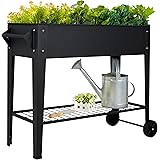
LEETOLLA Elevate 32" Tall Raised Garden Bed Outdoor with Wheels & Shelf for Mobility, 400LBS Capacity, Anti-Rust Steel Planter Box for Vegetables/Herbs, Patio-Balcony-Backyard
$59.84 (as of 12:59 GMT -05:00 - More infoProduct prices and availability are accurate as of the date/time indicated and are subject to change. Any price and availability information displayed on [relevant Amazon Site(s), as applicable] at the time of purchase will apply to the purchase of this product.)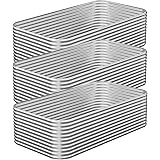
Now retrieving an image set.
CATMANOR 3 Pack Tall 4x2FT Corrugated Galvanized Steel Raised Garden Bed Outdoor, Metal Above Ground Garden Bed for Vegetables and Flowers, Raised Beds for Gardening
$89.99 (as of 08:19 GMT -05:00 - More infoProduct prices and availability are accurate as of the date/time indicated and are subject to change. Any price and availability information displayed on [relevant Amazon Site(s), as applicable] at the time of purchase will apply to the purchase of this product.)1. Smart Space Planning
Assessing Your Available Space
Successfully embarking on vegetable gardening in small spaces begins with understanding your available area. Whether you have a balcony, patio, or tiny backyard, taking precise measurements helps in designing an efficient layout. I recommend measuring sunlight exposure, wind patterns, and potential shading from nearby structures.
This assessment allows you to determine which crops will thrive, and helps in avoiding overcrowding. Placing taller plants where they wonât overshadow smaller ones optimizes sunlight use, vital in limited spaces for healthy growth. In 2025, using digital tools or garden planning apps can streamline this process, making your planning more precise and less guesswork.
Remember, strategic space planning isnât just about fitting more plantsâitâs about creating a healthy, productive environment. Proper spacing reduces disease spread and improves air circulation, which is especially critical when gardening in small spaces.
Designing with Efficiency
Designing your vegetable garden with efficiency in mind can dramatically boost productivity. Think about grouping plants with similar needs togetherâthis simplifies watering, fertilizing, and pest management. In small spaces, every inch counts, so consider multi-level planting options like tiered beds or hanging baskets.
This approach not only maximizes your area but also creates a visually appealing garden. In 2025, incorporating modular garden systems or stackable planters can further enhance small space vegetable gardening, offering flexibility and easy maintenance.
Furthermore, rotating crops within your layout prevents soil depletion and reduces pest issuesâsmart planning today paves the way for a thriving harvest tomorrow.
2. Vertical Gardening Techniques
Harnessing Vertical Space
Vertical gardening is one of the most effective ways to maximize small spaces for vegetable gardening in small spaces. Using wall-mounted planters, trellises, or vertical garden towers allows you to grow herbs, cucumbers, beans, and more without taking up precious ground area.
In 2025, innovative vertical systems like pocket planters, fabric grow bags, and wall-mounted hydroponic setups are gaining popularity. These methods optimize space and improve air circulation around plants, reducing disease risk. Plus, they add a decorative element to your gardening area, making it both functional and beautiful.
When designing your vertical garden, consider the weight capacity of your walls or fences and the sunlight exposure. Proper support and placement ensure safety and plant health.
Implementing DIY Vertical Gardens
Creating DIY vertical gardens is budget-friendly and rewarding. Using recycled materials like pallets, shoe organizers, or old gutters can transform small spaces into productive green zones. Just ensure adequate watering access and sturdy mounting.
In 2025, integrating drip irrigation systems with vertical setups can minimize watering time and promote consistent moisture levels, an important factor in successful vegetable gardening in small spaces.
Experimenting with different layouts personalizes your garden and allows customization based on the specific crops you want to grow. Itâs a fun, practical way to make the most of limited space!
3. Container and Potted Gardening
Choosing the Right Containers
Containers are versatile tools for vegetable gardening in small spaces, especially when ground planting isnât an option. When selecting pots or containers in 2025, opt for sizes that suit each cropâs root requirementsâlarger for tomatoes, medium for peppers, and smaller for herbs.
Use containers with drainage holes to prevent waterlogging. Incorporate quality potting mix tailored for vegetables, enriched with compost for nutrition. I recommend using biodegradable or recycled pots to stay eco-friendly while maximizing space.
Placement of containers should consider sunlight, accessibility, and aesthetics. Grouping similar plants together simplifies watering and care routines, saving you time and effort.
Maximizing Container Growth
Stacking containers or creating multi-tiered arrangements can further optimize limited space. For example, placing trailing plants like strawberries or peas on higher shelves frees up space below for root vegetables or leafy greens.
In 2025, self-watering containers are a game-changer, offering consistent moisture and reducing maintenance. Theyâre especially beneficial for busy gardeners or those with inconsistent watering schedules.
With proper selection and placement, container gardening in small spaces can yield abundant fresh vegetables, making your compact garden a productive oasis.
4. Soil and Fertilizer Optimization
Quality Soil for Small Space Gardens
Healthy soil is the foundation of successful vegetable gardening in small spaces. In 2025, soil testing kits are more accessible and affordable, allowing you to analyze your soilâs pH, nutrient levels, and texture. Tailoring your soil amendments based on test results leads to healthier plants and higher yields.
Amend your soil with organic matter like compost, aged manure, or coconut coir. These improve soil structure, water retention, and nutrient availability. For containers, use high-quality potting mixes designed for vegetables, which drain well yet retain moisture.
Implementing crop rotation and soil cover crops can also replenish nutrients and reduce soil-borne diseases, vital for sustained productivity in confined spaces.
Fertilizer Strategies for Small-Space Gardening
Fertilizing appropriately is essential to compensate for limited soil volume. In 2025, slow-release fertilizers or organic liquid feeds can provide a steady supply of nutrients. Be mindful not to over-fertilize, which can lead to weak growth or pests.
Applying fertilizers based on specific crop needs encourages healthy development. For example, leafy greens benefit from nitrogen-rich feeds, while root crops require balanced or phosphorus-heavy fertilization.
Monitoring plant health and adjusting feeding routines accordingly ensures your small space garden remains vigorous throughout the growing season.
5. Choosing the Right Crops
Best Vegetables for Small Spaces in 2025
Selecting crops suited for limited space is crucial for success. Compact varieties like dwarf tomatoes, bush beans, and patio zucchinis thrive in small gardens and produce abundant harvests. I suggest focusing on high-yield, fast-growing vegetables that maximize your space and time.
In 2025, innovative new cultivars with smaller footprints and pest-resistant traits are making gardening easier. Additionally, growing multi-purpose crops like herbs and salad greens alongside vegetables adds variety without crowding your space.
Consider your climate, season length, and personal taste when choosing crops. Planning crop succession helps extend your harvest and keeps your garden productive throughout the year.
Crop Rotation and Companion Planting
Implementing crop rotation reduces soil depletion and pest buildup, especially important in small-scale gardening. Planting different vegetable families in succession keeps your soil healthy and minimizes disease risk.
Companion plantingâpairing certain vegetables togetherâcan enhance growth, deter pests, and improve flavor. For example, basil benefits tomatoes, and carrots can be planted near onions.
In 2025, using companion planting guides and charts can streamline your planning, ensuring optimal use of your small garden space.
6. Intelligent Irrigation Solutions
Efficient Watering Techniques
Water management is a key component of vegetable gardening in small spaces. Drip irrigation systems and self-watering pots save water and reduce manual effort. These systems deliver moisture directly to the roots, minimizing waste and preventing overwatering.
In 2025, smart watering systems with soil moisture sensors and timers are increasingly affordable and easy to install. They ensure your plants receive the right amount of water, even when you’re away or busy.
Get a free subscription to PREPARE – with more gardening and homesteading tips!
Consistent moisture levels are critical for healthy roots and high yields, especially in container-grown or vertical garden setups.
Rainwater Harvesting for Sustainability
Incorporating rainwater collection makes your small space gardening more sustainable. Simple rain barrels or downspout diverters can provide free, chemical-free water for your garden.
Using rainwater reduces reliance on tap water and supports eco-friendly gardening practices. In dry seasons, supplementary watering can keep your vegetables thriving.
By making your irrigation smarter and more sustainable, youâre ensuring your gardenâs success in 2025 while also helping the environment.
7. Companion Planting Strategies
Maximizing Benefits of Companion Planting
Companion planting is a practical strategy for vegetable gardening in small spaces. It involves pairing plants that mutually benefit each other, enhancing growth and reducing pests. For example, planting marigolds alongside vegetables can deter nematodes and aphids.
In 2025, reference companion planting charts to optimize plant pairings. This approach reduces the need for chemical pest control and improves plant health naturally.
Tailoring your plant combinations based on your chosen crops can lead to a more resilient and productive small garden.
Example Combinations
- Tomatoes with basil and carrots
- Peppers with onions and lettuce
- Cucumbers with radishes and nasturtiums
These combinations not only promote growth but also maximize limited space by using different plant heights and growth habits.
8. Maximizing Sunlight Exposure
Strategic Placement of Plants
Sunlight is one of the most vital elements in vegetable gardening in small spaces. In 2025, mapping the sunâs path in your space helps determine the best placement for sun-loving crops like tomatoes and peppers.
Position taller plants or structures that cast shade away from shorter, sun-dependent crops. Rotate plant locations seasonally to ensure each crop gets optimal light exposure.
Use reflective surfaces like white walls or stones to bounce sunlight into shaded areas, increasing overall light availability. Proper light management directly influences plant vigor and productivity.
Seasonal Considerations
In 2025, adjusting your garden layout as seasons change ensures you maintain maximum sun exposure. Container placement on wheeled bases allows easy repositioning for seasonal sun angles.
Creating shaded zones with pergolas or shade cloths can protect delicate plants from intense midday sun while still providing sufficient light overall.
Proper planning and adaptability ensure that your small space garden receives enough sunlight year-round, essential for vegetablesâ success.
9. Season Extension Techniques
Using Cold Frames and Cloches
Extending your growing season in 2025 is easier with small-scale season extension tools like cold frames and cloches. These protect tender plants from late frosts and harsh weather, increasing your harvest window.
DIY cold frames made from recycled windows or plastic containers can be easily integrated into your small garden. Proper insulation and ventilation are key for effectiveness.
Incorporate these tools early in the season to jump-start planting and late into fall to prolong productivity.
Indoor and Undercover Growing
Start seedlings indoors or under grow lights to maximize space and control environmental conditions. This is especially valuable in small spaces where outdoor space is limited.
Using compact grow lights and small indoor containers can support vegetables like lettuce, herbs, and peppers year-round.
Proper indoor lighting and ventilation can make your small space more versatile, giving you fresh veggies even in winter.
10. Maintenance and Pest Control
Regular Garden Maintenance
Consistent watering, pruning, and harvesting keep small space gardens healthy and productive. Staying vigilant prevents minor issues from becoming major problems.
In 2025, integrating garden logsâeither digital or paperâhelps track plant growth, pest incidents, and maintenance routines, making your garden management more efficient.
Enjoying your garden regularly ensures you stay connected and attentive, leading to better yields and fewer pests.
Pest Management Strategies
Natural pest control methods like introducing beneficial insects (ladybugs, hoverflies) and using homemade organic sprays are effective and eco-friendly.
Consistent monitoring and early intervention prevent infestations. In small spaces, pests can spread quickly, so quick action is necessary.
Maintaining plant health through proper nutrition and spacing also reduces vulnerability. In 2025, smart trap traps and pest repellent plants can be useful additions.
Frequently Asked Questions
1. What is the best way to start vegetable gardening in small spaces?
Begin by assessing your available space, choosing suitable crops, and planning layout strategies like vertical gardening and container planting. Start small, learn as you go, and adapt your plan for maximum efficiency.
2. How can I maximize my small gardenâs productivity in 2025?
Use vertical gardening, select high-yield crops, optimize soil quality, and implement efficient watering and fertilization methods. Season extension tools also help increase your harvest time.
3. What are the best crops for vegetable gardening in small spaces?
Compact varieties such as dwarf tomatoes, bush beans, radishes, lettuce, herbs, and peppers are ideal options for small gardens. Select crops suited to your climate and space constraints.
4. How do I manage pests naturally in a small space garden?
Introduce beneficial insects, use organic sprays, and implement crop rotation and companion planting. Regular monitoring and maintaining healthy plants are key to pest management.
5. Why is vegetable gardening in small spaces important for 2025?
Growing your own vegetables in limited spaces promotes sustainability, reduces food miles, and offers fresh nutrition. Itâs a practical way to enjoy gardening benefits regardless of your available area.
Conclusion
Venturing into vegetable gardening in small spaces in 2025 is both feasible and rewarding with proper planning and execution. From smart space planning to utilizing vertical gardening, every tip helps you maximize your limited area. Remember, successful small-space gardening relies on thoughtful crop selection, soil health, efficient watering, and pest control. By applying these 10 effective tips, you can enjoy fresh, home-grown vegetables all season long. Embrace these strategies today, and watch your tiny garden flourish into a productive oasis!
Get a free subscription to PREPARE – with more gardening and homesteading tips!
Related Content
- The Nature Conservancy offers tips on how to help Mother Earth as you celebrate
- The Rumford Gardener RG428A Gardener’s Half Apron
- Use This Piece As Your Personal Gardening Guide
- Atlas Organics to Accelerate Growth of Commercial Composting Solutions Across North …
- Greenbrier Elementary School introduces cafeteria rangers to fourth grade classes – NBC29.com