Now retrieving an image set.
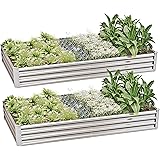
Kinddeer 8x4x1ft(2 Pack) Galvanized Raised Garden Bed Kit, Galvanized Planter Garden Boxes Outdoor, Metal Raised Garden Beds for Vegetables,Fruits, Flower,Silver
$61.88 (as of 08:24 GMT -05:00 - More infoProduct prices and availability are accurate as of the date/time indicated and are subject to change. Any price and availability information displayed on [relevant Amazon Site(s), as applicable] at the time of purchase will apply to the purchase of this product.)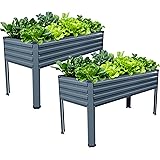
Now retrieving an image set.
Vengarus Galvanized Raised Garden Bed Outdoor with Legs,48×18×30in Metal Elevated Raised Planter Box for Backyard, Patio, Balcony, 300lb Capacity,Grey(2PCS)
$79.99 (as of 08:24 GMT -05:00 - More infoProduct prices and availability are accurate as of the date/time indicated and are subject to change. Any price and availability information displayed on [relevant Amazon Site(s), as applicable] at the time of purchase will apply to the purchase of this product.)One of the most effective vegetable gardening soil improvement strategies for 2025 is enriching your soil with rich compost and organic matter. Compost provides essential nutrients like nitrogen, phosphorus, and potassium, which plants need to thrive. In my experience, gardeners who regularly add compost see significantly healthier plants and better yields. Aim to incorporate at least 2-3 inches of compost into your garden beds each season for optimal results.
Organic matter also improves soil structure, increasing porosity and aeration. Well-structured soil allows roots to penetrate deeply and access nutrients more efficiently. If your soil tends to be compacted, adding compost can make a noticeable difference within just a few weeks. Use kitchen scraps, yard waste, or purchase high-quality compost from trusted sources for the best effect.
Research shows that compost improves microbial activityâcrucial for nutrient cyclingâwhich is vital in organic vegetable gardening. Bringing this practice into your soil improvement routine ensures a sustainable, health-supporting environment for your vegetables in 2025.
2. Test and Adjust Soil pH for Better Nutrient Absorption
Why Soil pH Matters
Understanding and adjusting your soil pH is a key step in vegetable gardening soil improvement. Most vegetables prefer a slightly acidic to neutral pH range of 6.0 to 7.0. Testing your soil is quick and easy with home test kits or lab servicesâconsider doing this before planting season in 2025 to ensure optimal conditions.
If your soil is too acidic (below 6.0), adding lime can raise the pH. Conversely, if itâs too alkaline (above 7.0), sulfur or organic matter like pine needles can help lower it. Proper pH adjustment allows roots to absorb nutrients more efficiently, leading to healthier plants and greater yields throughout the growing season.
Maintaining the correct soil pH not only boosts vegetable growth but also reduces the risk of nutrient deficiencies. Regular testing is part of a comprehensive vegetable gardening soil improvement plan for 2025.
3. Use Cover Crops to Naturally Improve Soil Fertility
Benefits of Cover Crops
Planting cover crops such as clover, vetch, or rye is an eco-friendly way to enhance soil health in 2025. These plants fix nitrogen in the soil, build organic matter, and prevent erosion. Cover crops are especially beneficial during fallow periods or between main crop cycles.
In my own garden, rotating cover crops has improved soil texture and increased microbial diversity. When you mow or till these plants into your soil, you add vital organic material that decomposes into nutrients for your vegetables.
Cover cropping is also effective in suppressing weeds, conserving soil moisture, and reducing the need for chemical inputs. Including cover crops as part of your vegetable gardening soil improvement strategy will foster resilient and productive soil.
4. Add Organic Fertilizers for Boosted Nutrients
Types of Organic Fertilizers
To elevate your soilâs nutrient profile, incorporate organic fertilizers like fish emulsion, seaweed extract, or composted manure. These boost the nutrient levels naturally and promote microbial activity essential for plant health. Unlike synthetic options, organic fertilizers improve long-term soil fertility, which is crucial for sustainable gardening in 2025.
I recommend applying organic fertilizers based on your soil test resultsâover-fertilizing can cause imbalances or leaching. A good rule of thumb is to side-dress your vegetables during the peak growing season for ongoing nutrient support.
Cost-effective and environmentally friendly, organic fertilizers support soil restoration efforts while ensuring your vegetables grow robustly. This is an integral part of vegetable gardening soil improvement in modern, eco-conscious practices.
5. Enhance Soil Drainage for Healthy Root Growth
Why Drainage Matters
Poor drainage can lead to waterlogged roots, causing rot and decreased oxygen availability. In 2025, a focus on improving soil drainage is vital, especially with unpredictable weather patterns. To assess drainage, perform a simple infiltration test by pouring water into a garden bed and observing how quickly it soaks in.
To improve drainage, mix organic matter such as coarse compost or aged bark into your soil. Raised beds are another excellent solution to prevent standing water and provide better control over soil conditions.
Healthy root systems rely on well-drained soil, which translates to stronger plants and higher yields. Regularly improving drainage is essential in your vegetable gardening soil improvement routine for 2025 gardening success.
6. Practice No-Till Gardening to Preserve Soil Structure
Benefits of No-Till Practices
No-till gardening minimizes soil disturbance, maintaining soil pores, microbes, and organic layers. In my experience, this approach enhances soil health significantly over traditional tilling methods. It reduces erosion, preserves soil carbon, and supports beneficial soil organisms critical for vegetable gardening soil improvement.
Instead of tilling, apply compost and organic amendments on top and let nature work beneath the surface. This method retains nutrients and improves soil structure over time, making it a sustainable choice for 2025.
Implementing no-till practices requires patience, but the long-term benefitsâricher soil and resilient cropsâare well worth the effort. Itâs become a cornerstone principle in successful vegetable gardening soil improvement strategies for modern gardeners.
Get a free subscription to PREPARE – with more gardening and homesteading tips!
7. Practice Crop Rotation for Disease Prevention and Soil Health
Rotation Strategies
Rotating your vegetable crops each season prevents soil-borne diseases and pests. It also promotes the natural replenishment of nutrients specific to different plant families. For instance, follow heavy feeders like tomatoes with legumes that fix nitrogen, thus balancing soil nutrient levels.
This practice has been scientifically shown to improve soil vitality over time. In 2025, integrating crop rotation into your soil improvement routine is more critical than ever, especially with the rise of resistant pests and diseases.
Developing a rotation plan tailored to your garden layout ensures that each crop benefits from improved soil conditions and reduces disease pressure, making your vegetable garden more sustainable and productive.
8. Introduce Earthworms and Vermicompost
Benefits of Worms
Earthworms are natureâs soil engineers, enhancing aeration, decomposition, and nutrient cycling. Vermicompost, produced by these worms, is a nutrient-rich organic fertilizer that can considerably improve your soil in 2025.
Iâve observed that adding earthworm casts directly to garden beds significantly boosts plant growth and soil texture. They thrive in rich, organic soils but can be encouraged by providing composted organic matter and minimizing chemical use.
Using vermicompost regularly as part of your vegetable gardening soil improvement plan ensures a thriving, biologically active garden environment that sustains healthy vegetable growth season after season.
9. Mulch to Maintain Soil Moisture and Temperature
Choosing the Right Mulch
Mulching is an easy yet powerful way to improve your soil in 2025. Organic mulches like straw, wood chips, or shredded leaves help retain soil moisture, moderate temperatures, and suppress weeds. Plus, as they decompose, they add organic matter to your soil.
I recommend applying a 2-3 inch layer of mulch around your vegetables after planting. This creates a protective barrier that supports microbial activity and reduces evaporation, keeping the soil consistently fertile and welcoming to roots.
Proper mulching reduces the need for frequent watering and helps maintain optimal soil conditions, making it a key component of vegetable gardening soil improvement.
10. Regular Soil Testing and Maintenance
Keeping Your Soil in Top Shape
The foundation of successful vegetable gardening soil improvement is regular soil testing. In 2025, testing at least once a year allows you to monitor soil health, pH levels, and nutrient availability. Use this data to make informed decisions about amendments and fertilizers.
Consistent maintenance, like adding organic matter, adjusting pH, and loosening soil, ensures your garden remains productive. Keep a gardening journal to track changes and improvements over time, which helps in planning for future planting seasons.
Periodic soil testing is essential for maintaining an optimal growing environment for your vegetables, leading to higher yields and healthier plants over the long term.
Frequently Asked Questions
1. What is the most important aspect of vegetable gardening soil improvement?
While multiple factors contribute, improving soil organic matter through composting is often the most impactful because it enhances fertility, structure, and microbial activity.
2. How often should I test my soil for optimal vegetable gardening in 2025?
I recommend testing your soil at least once annually, ideally in early spring before planting and after harvest to guide your soil improvement efforts.
3. Can I use homemade compost for vegetable gardening soil improvement?
Absolutely! Homemade compost is one of the best organic options for enriching soil, providing essential nutrients while supporting soil life.
4. What are the best organic amendments for soil improvement?
Rich compost, organic fertilizers (like fish emulsion and seaweed), cover crops, and vermicompost are excellent choices that promote soil health sustainably.
5. Why is vegetable gardening soil improvement important for 2025?
Soil improvement is critical in 2025 due to changing climate patterns, increased pest pressures, and the shift toward sustainable gardening practices to ensure healthy, productive gardens.
Conclusion
Achieving successful vegetable gardening soil improvement in 2025 relies on implementing practical, science-backed strategies. Incorporating rich compost, testing soil pH, using cover crops, and practicing no-till gardening are just a few ways to foster vibrant, resilient soil. Remember, healthy soil is the foundation for thriving vegetables, and investing in its improvement yields better harvests and more enjoyable gardening experiences. By following these ten tips, youâll set yourself up for a productive gardening season in 2025 and beyond. Donât underestimate the power of continuous soil careâyour garden will thank you!
Get a free subscription to PREPARE – with more gardening and homesteading tips!
Related Content
- How to start composting at home, even if you don’t have a yard
- You can’t choose an afterlife. But you can choose what happens to your body after your life.
- Planning Your Garden for Continuous Harvest
- BGC’s Bins & Buckets is an awesome way you can help the environment one recyclable at a …
- Brooklyn’s BEEPUBLIC is saving the bees one coffee at a time