Now retrieving an image set.
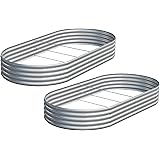
Easllre 2PCS 8x4x1ft Galvanized Metal Raised Garden Bed Kit,Outdoor Planter Box Vegetables,Flowers,Herbs Durable Rust-Resistant Patio Gardening Beds
$59.99 (as of 08:19 GMT -05:00 - More infoProduct prices and availability are accurate as of the date/time indicated and are subject to change. Any price and availability information displayed on [relevant Amazon Site(s), as applicable] at the time of purchase will apply to the purchase of this product.)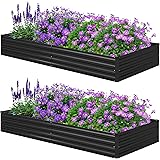
Now retrieving an image set.
Foxlang 8x4x1ft(2 Pack) Galvanized Raised Garden Bed,Outdoor Planter Box Metal Patio Kit Planting Bed for Vegetables Flowers Herb,Black
$60.99 (as of 12:58 GMT -05:00 - More infoProduct prices and availability are accurate as of the date/time indicated and are subject to change. Any price and availability information displayed on [relevant Amazon Site(s), as applicable] at the time of purchase will apply to the purchase of this product.)- 1. Choose the Right Vegetables for Hot Climates
- 2. Optimize Soil Quality for Heat Tolerance
- 3. Use Shade Structures Effectively
- 4. Implement Water Conservation Strategies
- 5. Mulch for Moisture Retention and Temperature Control
- 6. Plant at the Optimal Times
- 7. Employ Pest and Disease Management
- 8. Choose Drought-Resistant Vegetables
- 9. Use Efficient Irrigation Systems
- 10. Keep a Gardening Journal and Monitor Progress
1. Choose the Right Vegetables for Hot Climates
Select Cool-Season Crops for Hot Days
When planning your vegetable garden in hot climates, selecting the right crops is crucial. Many vegetables thrive during cooler seasons, but in 2025, more heat-tolerant varieties are available. Think about planting peppers, eggplants, okra, sweet potatoes, and certain squash varieties that handle high temperatures well. These crops not only survive but often flourish under intense heat.
For instance, newer cultivars of peppers and eggplants are bred specifically for hot conditions, offering better yields and disease resistance. Check with local nurseries or farming extensions in your area to find the best-suited varieties for your specific climate zone.
Overall, understanding which vegetables are naturally resistant to heat helps you plan a productive garden that withstands the challenges of hot climates while maintaining high nutritional value and taste.
Opt for Heat-Resistant Hybrid Varieties
In 2025, the seed industry continues to innovate with hybrid varieties designed for high heat and drought resistance. These hybrids often have genetic traits that enable them to maintain growth and productivity despite extreme weather conditions. An example includes heat-tolerant tomato hybrids that produce abundant fruit with fewer problems related to sunscald and cracking.
By selecting these advanced hybrids, gardeners can extend growing seasons, reduce crop failure risk, and enjoy consistent harvests even in the hottest months. Remember to check seed labels and research the latest recommendations for vegetable gardening tips for hot climates.
Pro tip: Always buy from reputable seed sources that provide data on crop performance in hot environments to maximize success in 2025.
2. Optimize Soil Quality for Heat Tolerance
Improve Soil with Organic Matter
Healthy soil is the foundation for successful vegetable gardening in hot climates. Enrich your soil with organic compost and well-rotted manure to improve water retention and nutrient availability. In 2025, incorporating biochar is gaining popularity â it enhances soil resilience against heat and drought stress.
Adding organic matter can increase the soilâs ability to hold moisture, which is crucial during periods of high temperatures and low rainfall. Aim for at least 3-4 inches of compost layered into your beds to build a resilient growing environment.
Practical tip: Mulch generously over your soil surface to further protect roots from temperature extremes and minimize evaporation.
Adjust pH and Fertility for Optimal Growth
Monitoring and adjusting your soil pH ensures vegetables absorb nutrients effectively. Most vegetables prefer a slightly acidic to neutral pH (6.0-7.0). Regular testing allows you to amend the soil as needed, especially since hot conditions can accelerate nutrient depletion.
In 2025, smart soil sensors are making it easier to track moisture and pH levels remotely. Incorporate balanced fertilizers that provide essential nutrients like nitrogen, phosphorus, and potassium to support vigorous plant growth under stress.
By optimizing soil conditions, you’ll establish a strong baseline for vegetable gardening tips for hot climates and ensure your plants thrive despite the heat.
3. Use Shade Structures Effectively
Install Shade Cloths to Reduce Sun Intensity
Providing shade is one of the most effective vegetable gardening tips for hot climates. In 2025, using adjustable shade cloths allows you to protect plants during the hottest part of the day, reducing leaf scorch and water loss.
Shade fabric with 30-50% shade factor can significantly lower daytime temperatures near your crops, creating a microclimate that supports healthier growth. Mount your shade cloths on frames that allow you to adjust their height and angle based on the sunâs position.
Remember, over-shading can reduce photosynthesis, so monitor your plants and make adjustments accordingly.
Build Strategic Canopies and Walkway Coverings
Besides portable shade cloths, consider larger structures like pergolas or shade sails for more extensive coverage. These structures not only shield vegetables from intense sunlight but also improve air circulation, reducing fungal diseases common in hot, humid conditions.
Position your shade structures to block the afternoon sun for maximum cooling benefits. Use breathable fabrics that allow moisture to escape, preventing excessive humidity that might encourage pests.
Effective shading supports vegetable gardening tips for hot climates by maintaining cooler temperatures and preserving plant vitality.
4. Implement Water Conservation Strategies
Adopt Drip Irrigation for Efficiency
Water conservation is vital in hot climates where droughts are often a concern. In 2025, drip irrigation systems have become the go-to method for delivering targeted moisture directly to plant roots, minimizing waste and evaporation.
These systems deliver consistent moisture over time, encouraging healthy root development and reducing plant stress during heat waves. Set your timers to water early in the morning or late in the afternoon when evaporation rates are lowest.
Pro tip: Incorporate soil moisture sensors to automate watering schedules based on real-time needs, maximizing resource efficiency.
Harvest Rainwater and Use Mulching
Collecting rainwater using barrels or tanks not only saves on municipal water costs but also provides a natural, calcium-rich water source beneficial for vegetable plants. Mulching, as mentioned earlier, further conserves moisture by reducing evaporation and regulating soil temperature.
Mulch also suppresses weeds that compete for water, making it easier to maintain moisture levels in hot environments. Organic mulches like straw, wood chips, and cocoa hulls are excellent choices in 2025 for their durability and soil health benefits.
Implementing these water-efficient techniques helps sustain your vegetable garden and supports the sustainability of vegetable gardening tips for hot climates.
5. Mulch for Moisture Retention and Temperature Control
Choose the Right Mulch Materials
Mulching is a game-changer for vegetable gardening in hot climates. Organic mulches like straw, shredded bark, or cocoa hulls help retain soil moisture, regulate temperature, and suppress weeds. In 2025, advances in biodegradable mulches also offer improved decomposition rates, enriching the soil as they break down.
Applying a 2-3 inch layer of mulch around your plants creates a protective barrier that keeps roots cool during peak heat. This reduces plant stress, increases yields, and conserves water.
Tip: Refresh mulch layers regularly to maintain their effectiveness and appearance throughout the season.
Benefits of Mulch for Drought Resistance
Consistent mulching improves drought resistance because it keeps soil cooler and moisture available longer. This means less frequent watering, which is a key vegetable gardening tip for hot climates aiming for water efficiency.
Furthermore, mulch can moderate soil humidity, creating a more favorable environment for beneficial soil microorganisms, which in turn supports healthy plant growth.
For best results, combine mulching with other techniques like shade and drip irrigation to create an integrated approach to managing heat stress.
6. Plant at the Optimal Times
Utilize Seasonal Planning for Success
Timing is everything when gardening in hot climates. In 2025, understanding your local frost dates, heat periods, and rainy seasons allows you to plan planting schedules that optimize crop yields. Early planting in spring or late summer planting for fall crops can help you avoid the hottest periods.
Advanced forecasting tools and climate data now available make it easier to forecast the best planting windows, reducing crop failure risks. This strategic approach to planting ensures you’re not exposing young, vulnerable plants to extreme heat at critical growth stages.
Pro tip: Use shade and irrigation techniques during planting times to give seedlings a better start in challenging weather conditions.
Get a free subscription to PREPARE – with more gardening and homesteading tips!
Stagger Plantings for Continuous Harvest
Stagger planting times for different vegetable varieties to ensure a continuous harvest throughout the growing season. In 2025, this technique helps you maximize space and productivity while managing the heat stress on your crops.
Maintain a planting calendar specific to your region and adjust based on current weather patterns. This strategy ensures fresh produce is available even during the hottest months.
Employ quick-growing or bolt-resistant crops to ensure success in hot periods, aligning with vegetable gardening tips for hot climates.
7. Employ Pest and Disease Management
Prevention Strategies for Heat-Related Pest Issues
In hot climates, pests like aphids, whiteflies, and tomato hornworms can quickly become problematic. Implement integrated pest management (IPM) techniques by encouraging beneficial insects such as ladybugs and predatory beetles.
Use insecticidal soaps and organic repellents, applying them early in the season to prevent infestations. Regularly inspecting plants helps catch issues before they escalate, especially during hot and humid conditions that favor pest proliferation.
Maintain good garden hygiene by removing debris and diseased plants to reduce pest habitats.
Disease Prevention in High-Temperature Conditions
High temperatures and humidity can promote fungal and bacterial diseases, such as blight and powdery mildew. To combat this, ensure proper spacing between plants for air circulation and avoid overhead watering, which can spread pathogens.
Use disease-resistant vegetable varieties in 2025 and rotate crops annually to prevent the buildup of soil-borne pathogens.
Applying organic fungicides and practicing crop rotation are also essential components of vegetable gardening tips for hot climates.
8. Choose Drought-Resistant Vegetables
Vegetables That Tolerate Dry Conditions
In 2025, drought-tolerant vegetables are becoming even more important as climate change intensifies heat waves. Crops such as okra, sweet potatoes, eggplants, and certain varieties of peppers are naturally resistant to dry conditions.
Growing these vegetables not only saves water but also ensures better yields during prolonged dry spells. Take advantage of their resilience by planting them early or during peak heat periods.
Research your local climate data to identify the best drought-resistant options suited for your specific region.
Incorporate Succession Planting for Better Water Use
Staggering plantings allows you to maximize limited water resources efficiently. Moreover, succession planting helps reduce crop failure risk during unexpected heatwaves or droughts.
Pair drought-resistant vegetables with efficient irrigation, such as drip systems, for optimal results in 2025.
This approach not only conserves water but also extends your harvest season, supporting sustainable vegetable gardening tips for hot climates.
9. Use Efficient Irrigation Systems
Automate with Water-Saving Tech
In 2025, smart irrigation systemsâlike Wi-Fi-enabled drip systemsâare accessible even for small-scale gardeners. These systems help water precisely where and when it’s needed, reducing waste and ensuring consistent moisture levels.
Set timers and moisture sensors to optimize watering schedules, especially during peak heat. Automation also minimizes manual effort and helps you focus on other gardening tasks.
Keep in mind, proper installation and maintenance of your irrigation system are key to maximizing efficiency and prolonging equipment lifespan.
Maintain and Upgrade Your Irrigation Infrastructure
Regularly check for leaks, clogs, and sprinkler misalignments that can reduce efficiency. Upgrading to low-flow emitters can save significant amounts of water in hot climates.
In addition, integrating rainwater harvesting with your irrigation system further enhances sustainability. In 2025, combining these methods aligns with eco-friendly gardening practices and economic savings.
Keeping your irrigation system in top shape ensures your vegetable gardening tips for hot climates remain effective.
10. Keep a Gardening Journal and Monitor Progress
Track Weather, Plant Performance, and Pest Incidents
Maintaining a detailed gardening journal helps you identify what works best and adapt to changing conditions. Record daily weather patterns, watering schedules, pests, and plant health observations.
In 2025, smart gardening apps facilitate digital journaling, making data collection more accessible and organized. This information allows for better planning in subsequent seasons.
This practice aids in diagnosing issues early and refining your vegetable gardening tips for hot climates based on real experiences.
Adjust Practices Based on Your Observations
Use the insights gained from your journal to make informed decisions, such as adjusting watering times, crop varieties, or planting dates. Over time, this personal data collection optimizes productivity and resilience.
Consider sharing your experiences in local gardening communities for additional tips and feedback. Continuous learning and adaptation are key to successful vegetable gardening in challenging climates.
Remember, being proactive and attentive supports long-term success in your garden.
Conclusion
Mastering vegetable gardening tips for hot climates in 2025 requires a combination of smart planning, resource management, and innovative techniques. From choosing heat-tolerant varieties and optimizing soil to using shade and irrigation systems, each step helps you overcome the challenges posed by high temperatures. Staying observant and adaptable ensures a thriving garden throughout the hottest months. Implementing these strategies not only boosts your productivity but also contributes to sustainable, eco-friendly gardening practices. Embrace these top 10 tips for effective vegetable gardening in hot climates 2025 and enjoy fresh, nutritious homegrown vegetables all season long.
Frequently Asked Questions
1. What are the best vegetables for hot climates in 2025?
Vegetables like okra, eggplant, peppers, sweet potatoes, and drought-resistant squash are highly suitable for hot climates. Always choose varieties bred for heat tolerance to increase your success rate.
2. How can I conserve water in my hot climate vegetable garden?
Implement drip irrigation, mulch generously, harvest rainwater, and use moisture sensors to optimize water use and reduce waste.
3. What are vegetable gardening tips for hot climates concerning pest management?
Encourage beneficial insects, practice crop rotation, and use organic pest control methods to manage pests effectively in high-temperature environments.
4. Why is soil health important for vegetable gardening in hot climates?
Healthy soil retains moisture better, supports nutrient uptake, and helps plants resist heat stress. Enriching soil with organic matter and maintaining proper pH are vital steps.
5. How do I know when to plant vegetables in a hot climate garden?
Use local frost dates and weather forecasts to time planting correctly. Stagger plantings and adjust based on your observations to avoid the hottest periods.
Get a free subscription to PREPARE – with more gardening and homesteading tips!
Related Content
- Artist creates community composting service
- Find Someone For Free With A License
- Organic Waste <b>Composting</b> Machine Market Intelligence Report Offers Growth Prospects 2020 …
- Your compostable cups and containers aren’t reversing the plastic problem
- Expert Tips For Starting A Lawn Care Business – Hurricane Valley Times