Now retrieving an image set.
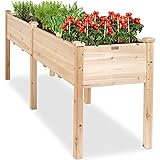
Best Choice Products 72x24x30in Raised Garden Bed, Elevated Wood Planter Box Stand for Backyard, Patio, Balcony w/Divider Panel, 6 Legs, 300lb Capacity - Natural
$139.99 (as of 12:58 GMT -05:00 - More infoProduct prices and availability are accurate as of the date/time indicated and are subject to change. Any price and availability information displayed on [relevant Amazon Site(s), as applicable] at the time of purchase will apply to the purchase of this product.)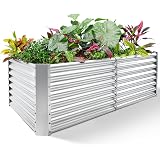
Now retrieving an image set.
Land Guard 8×4×2 ft Galvanized Raised Garden Bed Kit, Galvanized Planter Raised Garden Boxes Outdoor, Large Metal Raised Garden Beds for Vegetables.
$89.99 (as of 12:58 GMT -05:00 - More infoProduct prices and availability are accurate as of the date/time indicated and are subject to change. Any price and availability information displayed on [relevant Amazon Site(s), as applicable] at the time of purchase will apply to the purchase of this product.)
- 1. Choose Organic Seeds and Plants
- 2. Build Healthy Soil Naturally
- 3. Use Companion Planting Strategies
- 4. Implement Natural Pest Control
- 5. Practice Water Management Effectively
- 6. Incorporate Organic Fertilizers
- 7. Promote Beneficial Insects
- 8. Rotate Crops Annually
- 9. Use Mulching and Cover Crops
- 10. Stay Informed with Sustainable Gardening Resources
1. Choose Organic Seeds and Plants
Importance of Organic Seed Selection
Starting your vegetable garden without chemicals begins with selecting organic seeds. Certified organic seeds are grown without synthetic pesticides or fertilizers, ensuring a healthier foundation for your garden. When you choose organic, youâre reducing the risk of introducing chemical residues that can affect crop health and your own wellbeing.
Moreover, using organic seeds supports sustainable farming practices globally. Organic seeds also tend to be more resilient and adapted to natural pest and disease pressures, especially in a chemical-free environment. For 2025, the demand for organic seed varieties continues rising, making it easier to find high-quality options online or at local nurseries.
Choosing the Right Plants for Chemical-Free Gardening
Some vegetable varieties are naturally more resistant to pests and diseases, making them ideal for vegetable gardening without chemicals. Do your research to select heirloom or resistant cultivars suited to your climate zone. For example, certain heirloom tomatoes or organic lettuce varieties have proven to thrive naturally without chemical interventions.
When purchasing plants at local nurseries, look for organically propagated seedlings. Transplants grown without synthetic chemicals will typically be healthier and better suited to your chemical-free gardening goals. Remember, healthy plants from the start reduce the need for chemical pesticides and fertilizers later.
2. Build Healthy Soil Naturally
Composting and Soil Enrichment
Healthy soil is the backbone of vegetable gardening without chemicals. Composting kitchen scraps, yard waste, and organic matter creates nutrient-rich earth that reduces reliance on synthetic fertilizers. In 2025, more gardeners are adopting compost-rich practices to improve soil structure and microbial health naturally.
By adding compost periodically, you provide essential nutrients to your plants while maintaining beneficial microbial activity that suppresses pests and diseases. Use compost teas to boost plant vitality without chemicals, and follow local best practices for composting to avoid pitfalls like mold or pests.
Using Organic Amendments
Besides compost, organic amendments like bone meal, blood meal, and kelp meal can supplement soil nutrients safely. These natural fertilizers replenish essential elements such as nitrogen, phosphorus, and potassium without introducing harmful chemicals. Adjust your soil based on specific crop needs and test soil pH for optimal results.
In 2025, innovative organic soil conditioners with microbial inoculants are gaining popularity to naturally enhance soil health. Proper soil management not only ensures robust vegetable growth but also fortifies your garden against pests and diseases while maintaining a chemical-free environment.
3. Use Companion Planting Strategies
Maximizing Natural Pest Control
Companion planting involves growing specific plants together to naturally repel pests and improve crop health. For instance, planting basil near tomatoes can deter insects, and marigolds are excellent for repelling nematodes and aphids. This strategy reduces or eliminates the need for chemical pesticides in vegetable gardening without chemicals.
Implementation is simple: Create plant partners with complementary pest-repelling properties or flowering plants that attract beneficial insects. Companion planting enhances biodiversity, making your garden more resilient and sustainable for 2025.
Enhancing Pollination and Growth
Some plant combinations can boost pollination and flowering, leading to higher yields. For example, planting carrots near onions can repel pests, and legumes like beans improve soil nitrogen for neighboring plants. These natural relationships are vital for thriving vegetable gardens without chemicals.
Plan your garden layout wisely, considering plant compatibility to optimize pest control, growth, and pollinator attraction, creating a balanced ecosystem for sustainable gardening practices.
4. Implement Natural Pest Control
Introduction to Beneficial Insects
Encouraging natural predators is key to vegetable gardening without chemicals. Ladybugs, lacewings, and predatory beetles feast on aphids, caterpillars, and other pests naturally. Creating habitats, like insect hotels or planting nectar-rich flowers, attracts these beneficial insects to your garden in 2025.
Avoid chemical pesticides that harm beneficial insects, and instead, introduce or encourage these allies through diversified planting and providing shelter. Keeping an eye on pest populations and releasing beneficial insects when necessary can keep pest levels manageable organically.
Using Organic Pest Repellents and Barriers
Natural deterrents such as neem oil, garlic spray, and chili pepper solutions are effective in deterring pests without chemicals. These solutions are safe for your plants, beneficial insects, and humans, aligning perfectly with vegetable gardening without chemicals.
Physical barriers like row covers and netting are also highly effective in preventing pest access to crops. Combined with natural repellents, they can significantly reduce pest pressure in your 2025 garden, keeping it chemical-free and healthy.
5. Practice Water Management Effectively
Proper Watering Techniques
Consistent, targeted watering promotes healthy root systems and overall plant strength, reducing vulnerability to pests and diseases. Drip irrigation or soaker hoses deliver water directly to the soil, minimizing leaf wetness that can promote fungal diseases.
In 2025, smart watering systems with moisture sensors help automate this process, ensuring optimal hydration while conserving water. Proper watering reduces plant stress and builds resilience, key aspects of vegetable gardening without chemicals.
Mulching to Maintain Moisture
Applying organic mulch, such as straw, wood chips, or compost, helps retain soil moisture and suppress weeds. Mulch also adds organic matter to the soil as it decomposes, supporting healthy soil biology.
This natural moisture retention strategy minimizes the need for chemical herbicides and fertilizers, fostering a sustainable, chemical-free vegetable garden environment in 2025.
6. Incorporate Organic Fertilizers
Natural Fertilizer Options
In 2025, organic fertilizers like fish emulsion, compost tea, and seaweed extracts continue to be popular choices for nurturing plants without chemicals. These options provide essential nutrients in slow-release forms, supporting healthy growth and soil health.
Applying organic liquid feeds boosts plant vigor and resilience against pests and diseases. Regular feeding using natural sources reduces chemical runoff and enhances biodiversity in your garden.
Get a free subscription to PREPARE – with more gardening and homesteading tips!
Liquid vs. Granular Organic Fertilizers
Liquid organic fertilizers are quickly absorbed, providing rapid nutrient availability, ideal during peak growth stages. Granular options release nutrients slowly over time, improving soil structure.
Select the appropriate type based on your crop, soil conditions, and gardening preferences to sustain a healthy, chemical-free vegetable garden in 2025.
7. Promote Beneficial Insects
Creating a Haven for Beneficial Insects
Encouraging beneficial insects like bees, pollinators, and predatory bugs is crucial for natural pest control and pollination. Planting a variety of native flowering plants attracts these helpful insects and supports a balanced ecosystem.
Provide habitats such as bee baths, nesting sites, or undisturbed soil areas to support them throughout the season. In 2025, ecological gardening practices focus heavily on promoting biodiversity for chemical-free pest management.
Plant Selection for Pollinators
Choose plants that bloom across seasons, ensuring a continuous food source for pollinators. Prairies, wildflowers, and flowering herbs complement vegetable crops, boosting pollination success naturally.
By fostering a pollinator-friendly environment, you create a thriving, chemical-free vegetable garden that produces high yields sustainably.
8. Rotate Crops Annually
The Importance of Crop Rotation
Crop rotation is a proven practice to prevent soil depletion and reduce pest populations naturally. For example, rotate members of the same plant family to avoid hosting pests and diseases specific to that group.
In 2025, data shows that thoughtful crop rotation combined with organic practices can cut pest and disease incidence by up to 70%, significantly reducing the need for chemical interventions.
Designing a Rotation Plan
Create a detailed garden plan that moves crops to different beds each year. This prevents pest buildup and maintains soil fertility with organic amendments.
Crop rotation also enhances soil structure and health, creating a resilient garden ecosystem aligned with vegetable gardening without chemicals.
9. Use Mulching and Cover Crops
Benefits of Organic Mulches
Mulches like straw, shredded leaves, or grass clippings suppress weeds, conserve moisture, and improve soil quality without chemicals. Organic mulches decompose over time, enriching your soil naturally.
Implementing Cover Crops
Plant cover crops such as clover, vetch, or winter rye to fix nitrogen and prevent erosion. These crops support beneficial soil microbes and keep pests at bay naturally.
In 2025, integrating mulching and cover crops is a key component of sustainable, vegetable gardening without chemicals, ensuring long-term productivity and ecological balance.
10. Stay Informed with Sustainable Gardening Resources
Learning from Experts and Communities
Join organic gardening groups, attend workshops, and follow trusted blogs focused on vegetable gardening without chemicals. Staying updated with the latest organic techniques ensures your success in 2025.
Utilizing Online Tools and Programs
Use apps and online resources that provide organic gardening tips, pest identification, and weather updates. These tools help you make informed decisions naturally, reducing reliance on chemical solutions.
Keeping informed helps you adapt to environmental changes and adopt innovative, chemical-free methods rooted in current research and practices.
Conclusion
Embracing vegetable gardening without chemicals in 2025 is both a responsible choice and a rewarding pursuit. By implementing these 10 effective tips â from choosing organic seeds to fostering beneficial insects â you can cultivate a healthy, sustainable, and bountiful vegetable garden naturally. This approach not only protects your health and the environment but also enhances the flavor and nutritional quality of your produce. Remember, the key to successful chemical-free gardening lies in patience, knowledge, and dedication. Start today and enjoy the fruits of your eco-friendly labor!
Frequently Asked Questions
1. What are the best natural pest control methods for vegetable gardening without chemicals?
Use beneficial insects like ladybugs, plant companion plants, apply organic repellents such as neem oil, and cover plants with row covers. These methods effectively manage pests without harmful chemicals.
2. How can I improve my soil naturally for vegetable gardening without chemicals?
Add compost and organic amendments like kelp and bone meal, rotate crops, and practice cover cropping to enrich your soil sustainably. Healthy soil promotes robust plant growth naturally.
3. Is vegetable gardening without chemicals more productive than conventional methods?
When done correctly, organic gardening can be just as productive as conventional methods. Soil health and pest management are key factors. In 2025, many gardeners report high yields with sustainable practices.
4. Can I grow all types of vegetables without chemicals?
Most vegetables can be grown organically with proper management. Some particularly pest-prone or soil-sensitive varieties may require additional care, but with proper techniques, virtually all vegetables are suitable for chemical-free cultivation.
5. Why is vegetable gardening without chemicals better for the environment?
It reduces chemical runoff, protects beneficial insects, and promotes biodiversity. Organic practices also improve soil health and reduce pollution, making your garden a sustainable ecosystem.