Now retrieving an image set.
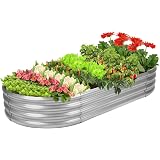
Rakukiri Raised Garden Bed Galvanized Planter Box Outdoor, 5ft Oval Large Rot-Resistant Metal Garden Bed Planter for Vegetables Flower Herb (Silver)
$29.99 (as of 12:59 GMT -05:00 - More infoProduct prices and availability are accurate as of the date/time indicated and are subject to change. Any price and availability information displayed on [relevant Amazon Site(s), as applicable] at the time of purchase will apply to the purchase of this product.)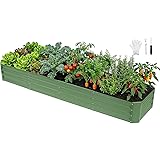
Now retrieving an image set.
INNO STAGE 8×2×1ft Galvanized Raised Garden Bed Kit, Galvanized Planter Raised Garden Boxes Outdoor, Large Metal Raised Garden Beds for Vegetables, Flowers, Herbs, and Succulents, OliverGreen
$49.98 (as of 08:19 GMT -05:00 - More infoProduct prices and availability are accurate as of the date/time indicated and are subject to change. Any price and availability information displayed on [relevant Amazon Site(s), as applicable] at the time of purchase will apply to the purchase of this product.)- 1. Choose the Right Vertical Structures
- 2. Select Ideal Vegetables for Vertical Growth
- 3. Optimize Sunlight and Location
- 4. Use Quality Soil and Fertilizers
- 5. Implement Efficient Watering Techniques
- 6. Incorporate Pest and Disease Management
- 7. Maximize Space with Companion Planting
- 8. Leverage Modern Vertical Gardening Technologies
- 9. Maintain Proper Plant Support and Pruning
- 10. Plan for Year-Round Growth and Rotation
1. Choose the Right Vertical Structures
Materials and Design
Picking the perfect vertical structures is fundamental to successful vertical gardening for vegetables. In 2025, innovative materials like recycled plastics, lightweight metals, and biodegradable composites are popular choices. These options are durable, eco-friendly, and resistant to weathering, ensuring your garden lasts through multiple growing seasons.
Design matters too. Structurally sound trellises, wall-mounted panels, and vertical planters can be customized to fit small balconies or expansive backyards. Think about structures that provide support for climbing vegetables like beans, cucumbers, and tomatoes, making optimal use of limited space.
For example, a modular tower system with adjustable shelves allows for scalability and easy maintenance. Investing in flexible designs ensures you’re ready for different vegetable types and growth stages, making vertical gardening for vegetables more manageable and productive.
Ease of Maintenance and Stability
When selecting vertical structures, stability is key. Heavy winds or uneven placement can topple lightweight setups. Anchoring structures securely into the ground or mounting them firmly to walls enhances durability, especially critical in windy regions in 2025.
Consider structures with built-in watering systems or drainage to simplify maintenance. Modern designs often incorporate self-watering features, which reduce the need for frequent watering â a major advantage for busy urban gardeners.
Lastly, accessibility for pruning and harvesting shouldnât be overlooked. Structures that are easy to reach save time and prevent accidental damage to plants, leading to healthier, more productive vegetable crops.
2. Select Ideal Vegetables for Vertical Growth
Best Vegetables for Vertical Gardening
Not all vegetables thrive in a vertical setup. In 2025, the most suitable choices include climbing varieties like cucumbers, pole beans, peas, and cherry tomatoes. Root vegetables or dense leafy greens often do better in traditional beds, so focus on vining crops that naturally climb or cascade.
These vegetables not only save space but also grow faster and yield more fruit when supported properly. Selecting high-yield varieties like heirloom tomatoes or aromatic herbs such as basil and mint can enhance your gardenâs productivity.
Pro tip: Choose compact or dwarf cultivars if space is limited. Many seed companies now offer specially bred vegetable varieties designed for small-space, vertical environments.
Growing Season Considerations
In 2025, season extension techniques are vital for maximizing vertical vegetable gardens. Use cloches, grow lights, or shade cloths to extend growing periods. Understanding each vegetableâs seasonality helps plan planting schedules to ensure year-round harvests.
Climbing vegetables have specific temperature and sunlight needs. Knowing these allows you to position the structures in optimal sun-exposed areas and protect delicate crops from early frosts or heatwaves.
By carefully selecting the right vegetables and timing, you can optimize yields whether growing on a balcony, rooftop, or backyard wall.
3. Optimize Sunlight and Location
Sunlight Requirements for Different Vegetables
In 2025, understanding the light needs of your vegetables for vertical gardening for vegetables significantly impacts productivity. Most vining plants require at least 6-8 hours of direct sunlight daily. Positioning your structures in south-facing locations maximizes sun exposure.
For shaded areas, consider shade-tolerant varieties such as leafy greens and herbs. Using reflective surfaces like white walls or reflective mulches can amplify sunlight, especially in urban environments with limited space.
Monitoring sunlight throughout the day helps you adjust or relocate structures seasonally for optimal growth.
Positioning and Microclimate Optimization
Location also influences microclimates within your vertical gardening space. Factors like wind, air circulation, and nearby structures can affect plant health and productivity. In 2025, incorporating windbreaks or positioning your vertical gardens close to heat-retaining walls enhances growth conditions.
Use container designs that allow adjustments in height and angle to capture the best light. Additionally, vertical gardens placed near water sources or shaded areas can reduce watering needs and prevent heat stress.
By strategic placement, you’ll create a microenvironment thriving for vegetables suitable for vertical gardening for vegetables.
4. Use Quality Soil and Fertilizers
Soil Composition for Vertical Gardens
Choosing the right soil mixture is crucial in vertical gardening for vegetables. In 2025, soilless or custom-blended media with high organic matter content is popular due to better drainage and nutrient retention. A common mix includes compost, coconut coir, and perlite.
Lightweight soils reduce the strain on vertical structures and are easier to manage. Incorporating slow-release fertilizers ensures nutrients are available consistently, promoting healthy growth through the season.
Test your soil regularly to adjust pH levels and nutrient content for specific vegetable needs. A balanced mixture tailored to your plants enhances overall yields.
Fertilization Strategies
In 2025, integrated fertilization techniques support vigorous vegetable growth. Use organic options like fish emulsion, compost tea, or liquid seaweed sprays for foliar feeding or root absorption.
Applying fertilizers in cycles based on plant growth stages maximizes nutrient efficiency. For example,-side dressing with compost or organic fertilizer during flowering stages encourages fruit development in tomatoes and cucumbers.
Remember, over-fertilizing can cause lush foliage but reduce fruiting. Balancing nutrients carefully leads to healthier, tastier vegetables in your vertical garden.
5. Implement Efficient Watering Techniques
Watering Systems for Vertical Gardens
Consistent watering is vital for maintaining healthy vegetables in a vertical setup. In 2025, drip irrigation, self-watering planters, and soaker hoses are popular, efficient options that reduce water waste and deliver moisture precisely where needed.
Automated systems ensure your vegetables get regular watering, even when you’re away, minimizing stress and preventing drought stress or overwatering.
Investing in moisture sensors can help monitor soil hydration levels, making watering decisions more accurate and reducing water bills.
Water Conservation Tips
To optimize water use, incorporate mulch or water-retentive hydrogels into your soil mix. Watering early in the morning helps reduce evaporation, especially important in warmer months of 2025.
Collect rainwater for your vertical garden whenever possible. This eco-friendly approach not only conserves resources but also saves money over time.
In closing, adjusting watering frequency based on weather patterns prevents issues like root rot or stress â key for maximum vegetable yield in limited spaces.
6. Incorporate Pest and Disease Management
Natural Pest Control Methods
In 2025, sustainable pest management is more critical than ever. Companion planting with marigolds, basil, or nasturtiums can help repel common pests like aphids and beetles naturally.
Introduce beneficial insects such as ladybugs or predatory nematodes, which help keep pest populations in check without chemicals. Regular inspection of your vertical garden allows early detection of issues before they become severe.
Using organic sprays like neem oil or insecticidal soaps provides effective control while maintaining a safe environment for your vegetables, pets, and beneficial insects.
Get a free subscription to PREPARE – with more gardening and homesteading tips!
Disease Prevention Strategies
Proper airflow is essential to minimize fungal diseases like powdery mildew or blight. Space your vertical structures adequately and prune regularly to promote air circulation.
Keep your growth medium clean and avoid overwatering to reduce disease risks. Rotating crops and removing infected plant material further safeguards your vegetables for the upcoming season.
In 2025, integrating these practices ensures robust health of your vegetable plants in vertical gardens, leading to better yields.
7. Maximize Space with Companion Planting
Beneficial Plant Combinations
Companion planting allows you to grow multiple vegetables and herbs in close vertical proximity. For example, planting basil alongside tomatoes can enhance flavor and repel pests. Similarly, climbing nasturtiums attract aphids away from lettuce and other greens.
This technique maximizes limited space and encourages a healthy ecosystem within your urban garden. In 2025, many gardeners are experimenting with vertical arrangements of herbs, salads, and young vegetable seedlings in the same structure.
Design your vertical garden layout strategically to accommodate compatible plants that thrive together, improving overall productivity and pest resistance.
Optimizing Light and Nutrients
When combining plants vertically, ensure they have compatible light and nutrient needs. Taller, sun-loving vegetables like beans and tomatoes should be positioned to avoid shading shorter plants like lettuce or herbs.
Adjusting your vertical structures seasonally ensures all plants receive adequate sunlight. Also, supplement with targeted fertilization to meet specific crop demands, which enhances plant health and output.
Maximizing space through thoughtful companion planting makes your vertical gardening for vegetables more fruitful and efficient in 2025.
8. Leverage Modern Vertical Gardening Technologies
Smart Gardening Devices
2025 sees a surge in smart technology for vertical gardening â from app-controlled irrigation systems to climate sensors. These advances help maintain optimal conditions for your vegetables, reducing manual effort and improving yields.
Wireless sensors monitor soil moisture, temperature, and light levels, providing real-time data via your smartphone. Automating watering and lighting based on this data ensures your vertical garden stays healthy with minimal intervention.
Investing in these technologies makes vertical gardening for vegetables more accessible, especially for busy urban dwellers or beginners.
Innovative Structures and Materials
In 2025, new materials like biodegradable composites and modular expandable systems allow for more versatile garden designs. These innovations facilitate easy expansion or rearrangement of your vertical vegetable garden.
3D-printed components, lightweight panels, and eco-friendly supports open up endless possibilities for customization tailored to your space and crop needs.
Adopting these innovations ensures your vertical gardening setup remains state-of-the-art and efficient, maximizing vegetable yields.
9. Maintain Proper Plant Support and Pruning
Supporting Structures for Healthy Growth
Providing sturdy support for climbing vegetables is fundamental in vertical gardening for vegetables. Use trellises, cages, or netting that can withstand the weight of mature plants and fruit in 2025.
Regularly inspecting and adjusting supports prevents damage or sagging, which can lead to disease or crop loss. Choosing adjustable supports offers flexibility as plants grow.
Proper support not only saves space but also promotes air circulation, reducing disease risks and encouraging lush, productive plants.
Pruning and Maintenance
Pruning is critical to ensuring your vertical vegetable garden stays healthy and productive. Regularly removing dead or overcrowded foliage improves airflow and light penetration.
For crops like tomatoes, training vines along supports and pruning suckers boosts fruit production. Practice selective pruning to focus energy on developing vegetables rather than excessive foliage.
This ongoing maintenance is essential in 2025, allowing for easier harvests and a cleaner, more manageable garden setup.
10. Plan for Year-Round Growth and Rotation
Season Extension Techniques
In 2025, extending your growing season with cold frames, heated mats, and grow lights allows continuous vegetable production in vertical gardens. These techniques are especially useful for urban gardeners wanting fresh produce regardless of climate.
Rotating crops seasonally prevents soil depletion and reduces pest buildup. Planning crop rotations specifically suited for vertical growth optimizes space and yields.
By integrating these practices, you can achieve a productive, sustainable vertical garden throughout the year.
Record-Keeping and Future Planning
Keeping detailed records of planting dates, yields, and pest issues helps refine your vertical gardening for vegetables in future seasons. Use journals or digital tools to track what works best.
Adaptive planning in 2025 ensures that your strategies evolve based on weather patterns, plant performance, and space availability. This proactive approach makes your vertical garden more resilient and productive over time.
Ultimately, thorough planning guarantees sustained success in your vertical vegetable gardening endeavors.
Frequently Asked Questions
1. What is vertical gardening for vegetables?
Vertical gardening for vegetables is a space-efficient method of growing vegetables on vertical structures such as trellises, wall-mounted planters, or towers. It allows urban gardeners and small-space growers to maximize limited area while cultivating fresh produce.
2. How do I choose the best vegetables for vertical gardening for vegetables?
Opt for climbing or vining vegetables like cucumbers, pole beans, peas, and cherry tomatoes that naturally grow upwards. Also, consider your local climate, seasonality, and available sunlight to select the most suitable crops.
3. What materials are best for vertical gardening structures in 2025?
Modern materials such as recycled plastics, lightweight metals, and biodegradable composites are popular in 2025 for their durability and eco-friendliness. Modular and expandable designs also help optimize space and ease maintenance.
4. How can I ensure my vertical vegetables get enough sunlight?
Position your vertical structures facing south or in areas with maximum sun exposure. Use reflective surfaces to bounce light into shaded areas and monitor sunlight patterns throughout the day for optimal placement.
5. What watering methods are effective for vertical gardening for vegetables?
Drip irrigation, self-watering planters, and soaker hoses are efficient watering systems for vertical gardens. These methods deliver water directly to the roots, conserving water and reducing manual effort.
Conclusion
Mastering the art of vertical gardening for vegetables in 2025 can transform limited space into a thriving, productive oasis. By selecting suitable structures, choosing the right vegetables, optimizing conditions, and leveraging modern technology, you can maximize yields and enjoy fresh, homegrown produce year-round. Implementing these 10 effective strategies will help you create a sustainable and bountiful vertical vegetable garden that stands out in the urban landscape.