Now retrieving an image set.
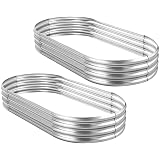
Land Guard 2Pcs Galvanized Raised Garden Bed Kit, Galvanized Planter Oval Large Metal Raised Garden Boxes Outdoor for Vegetables…
$37.99 (as of 12:59 GMT -05:00 - More infoProduct prices and availability are accurate as of the date/time indicated and are subject to change. Any price and availability information displayed on [relevant Amazon Site(s), as applicable] at the time of purchase will apply to the purchase of this product.)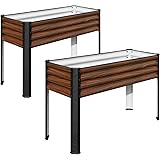
Now retrieving an image set.
SnugNiture Raised Garden Bed with Legs, 2PCS 48×18×32in Outdoor Metal Elevated Raised Planter Box for Backyard, Patio, Balcony
$109.99 (as of 08:19 GMT -05:00 - More infoProduct prices and availability are accurate as of the date/time indicated and are subject to change. Any price and availability information displayed on [relevant Amazon Site(s), as applicable] at the time of purchase will apply to the purchase of this product.)Welcome to our 2025 guide on vertical vegetable gardening ideas. As urban spaces shrink and gardening space becomes limited, vertical gardening offers an innovative solution to grow fresh vegetables efficiently. Whether youâre a seasoned gardener or just starting out, incorporating vertical vegetable gardening ideas can dramatically boost your harvest and add visual interest to your home. In this article, Iâll share ten proven vertical vegetable gardening ideas that will inspire you to maximize your space and yield.
1. Stacked Planters and Letter Boxes
Optimizing Space with Vertical Stacking
Stacked planters are one of the simplest vertical vegetable gardening ideas for small gardens. They allow you to grow multiple vegetables in a compact footprintâperfect for patio corners or balcony edges. You can use old wood crates, tiered plant stands, or even repurposed storage containers. This approach not only saves space but also makes harvesting more accessible.
My experience shows that stacking planters work well for leafy greens like lettuce and spinach, which donât require deep soil. Just ensure each layer has proper drainage, and youâre good to go. For best results, position your stacked planters where they receive ample sunlightâat least 6 hours daily is ideal for most vegetables.
Materials and Tips
Choose lightweight, weather-resistant materials like plastic or treated wood. Secure each layer with brackets or supports to prevent shifting. Remember, soil levels should be manageableâuse potting mix enriched with compost for healthy plant growth. Regular watering is crucial because the soil in stacked systems tends to dry out faster.
2. Living Wall Gardens
Creating a Vertical Green Canvas
Living wall gardens are an eye-catching vertical vegetable gardening idea that turns an ordinary wall into a lush, productive garden. This method involves installing panels or pockets packed with soil and plants. Itâs perfect for urban environments where ground space is limited but wall space is available.
In 2025, smart irrigation systems are making living walls more manageable and less time-consuming. Iâve seen homeowners install drip systems that automatically water the roots, reducing workload and preventing over- or under-watering.
Design and Plant Choices
Use modular panels made from recycled materials or waterproof fabrics. Grow vegetables like cherry tomatoes, peppers, or herbs such as basil and mint. Choose varieties that are drought-tolerant and suited to vertical growth. Regular maintenance, including pruning and fertilization, keeps your living wall healthy and productive.
3. Vertical Trellises and A-Frames
Classic Structures for Vertical Growth
Vertical trellises are timeless vertical vegetable gardening ideas that elevate vine-growing plants like beans, peas, cucumbers, and melons. A-frames are sturdy, simple to build, and flexible enough to fit into various garden sizes. They enable better air circulation, reducing disease risks and boosting yields.
In my garden, Iâve used reclaimed wood to create A-frames that support hundreds of peas. These structures are easy to customizeâadding extra crossbars for taller plants or attaching chicken wire for climbing cucumbers.
Placement and Maintenance
Position trellises where plants will get full sun, and consider anchoring them securely to prevent toppling. Regularly check for pests and support the weight of mature plants. Harvesting is easier with trellises because vegetables are held off the ground, reducing rot and insect damage.
4. Hanging Basket Systems
Convenient and Stylish
Hanging baskets are a popular vertical vegetable gardening idea that combines functionality and aesthetics. Using hanging planters on hooks or stand frames, you can grow herbs, cherry tomatoes, peppers, and even strawberries. This setup works especially well indoors or in shaded corners.
In my experience, mix lightweight containers with the right soil mix (such as a good-quality potting mix with slow-release fertilizer) for best growth. Regular watering is essential, as hanging baskets dry out faster, especially during hot summer days.
Design Tips
Arrange hanging baskets at different heights to maximize space and sunlight exposure. Use colorful containers for visual appeal. Consider installing self-watering systems or drip irrigation to make maintenance easier during busy weeks.
5. Repurposed Pallet Gardens
Eco-Friendly Vertical Gardening Idea
Using old pallets to create vertical vegetable gardens is an affordable, eco-conscious vertical vegetable gardening idea. Attach planters to the pallet surface or stack pallets to form a vertical stand. Itâs perfect for growing anything from lettuce to radishes and herbs.
My advice is to line the pallet with landscape fabric or plastic to prevent soil leakage. Secure each container with brackets and place the pallet against a sunny wall. This method allows for easy customization and mobility.
Tips for Success
Ensure good drainage in each planter and fill with nutrient-rich soil. Lightly water daily, especially during dry seasons. Reuse and upcycle materials whenever possible to keep costs low and sustainability high.
6. Zipper Planters & Vertical Bags
Innovative & Portable
Zipper planters or vertical grow bags are versatile vertical vegetable gardening ideas ideal for small spaces or balcony gardens. They are lightweight, easy to move, and drain wellâmaking them suitable for container gardening of tomatoes, peppers, and leafy greens.
In 2025, high-tech fabric options are enhancing durability and breathability, leading to healthier roots. These systems also require less soil and are perfect for installing in tight corners or on fences.
Get a free subscription to PREPARE – with more gardening and homesteading tips!
Usage and Care
Mount bags on walls, fences, or support stands. Fill with high-quality potting mix and keep moist. When plants mature, simply unzip and harvest directly from the bag. Regular fertilization boosts productivity.
7. Modular Gardening Systems
Flexible & Expandable Designs
Modular garden towers and panels are among the innovative vertical vegetable gardening ideas for 2025. These systems can be expanded or customized based on available space and plant needs. Theyâre ideal for growing varieties like lettuce, herbs, and small root vegetables.
Systems made from recycled plastics or metals are durable options. They typically include built-in irrigation or watering channels, easing maintenance and promoting consistent growth.
Setting Up & Maintenance
Arrange modules to maximize sunlight exposure and ease of access. Regularly check water flow and fertilize as needed. These systems are perfect for urban farms, educational gardens, or home use.
8. Teepees & Cylindrical Towers
Creative Structural Ideas
Using teepees or cylindrical towers introduces a whimsical element to vertical vegetable gardening ideas. Trellised with bamboo and wire, tepees are great for climbing beans or yard-long peas. Cylindrical towers can be constructed from mesh or fabric to grow strawberries, herbs, or cherry tomatoes.
In my own garden, Iâve used bamboo poles to construct tepees that support multiple bean varieties. The tower design saves space and makes harvesting more efficient.
Building and Care
Ensure sturdy support and secure anchoring. Position them in full sun and water regularly. Prune and maintain plants to keep the structures healthy while maximizing harvests.
9. Vertical Garden Doors & Wall Panels
Transforming Walls into Gardens
Installing vertical garden panels directly onto doors or wall surfaces maximizes unused spaceâa brilliant vertical vegetable gardening idea for apartments and small homes. These systems often use modular pockets or slotted panels for easy planting and maintenance.
This method allows you to create a lush, edible wall thatâs both decorative and functional. Itâs perfect for herbs, lettuce, and compact vegetables like baby carrots or radishes.
Installation Tips
Choose weatherproof panels for outdoor use or moisture-resistant materials for indoors. Position panels where theyâll receive maximum sunlight and ensure easy watering access. Regular pruning and fertilization keep your wall vibrant.
10. Upcycled & Recycled Materials
Eco-Conscious Vertical Gardening
Using upcycled and recycled materials is one of the most sustainable vertical vegetable gardening ideas expanding in 2025. Items like old boots, tins, and plastic bottles can be turned into planters, reducing waste and cost.
This approach encourages creativity and environmental responsibility. Iâve seen solar-driven watering systems combined with repurposed containers, creating efficient and eco-friendly gardens.
Creative Examples & Tips
Hang shoe organizers on fences, fill cans with soil, or stack bottles as mini growing towers. Always ensure proper drainage and stable mounting to avoid accidents or plant damage.
Frequently Asked Questions (FAQs)
1. What are the best vertical vegetable gardening ideas for small spaces?
Stacked planters, hanging baskets, and vertical trellises are excellent options that maximize limited space while providing ample growing area for vegetables.
2. How do I maintain a vertical vegetable garden in 2025?
Regular watering, fertilization, and pruning are key. Modern systems like automated irrigation and smart containers make maintenance easier and more efficient.
3. Can I grow root vegetables in vertical systems?
Yes, but choose deep containers or towers designed for root growthâsuch as cylindrical towers or large pallet boxesâto ensure healthy development.
4. Are there sustainable vertical vegetable gardening ideas I can try?
Absolutely! Upcycled materials, recycled containers, and eco-friendly panels are all sustainable options for vertical gardening in 2025 and beyond.
Conclusion
In 2025, exploring vertical vegetable gardening ideas is more exciting and accessible than ever. By adopting these innovative methods, you can transform limited spaces into productive, beautiful gardens. Whether you choose living walls, pallet gardens, or recycled setups, vertical gardening not only maximizes your harvest but also contributes to environmental sustainability. I encourage you to experiment with these ideas and see how they can revolutionize your gardening experience this year!
Get a free subscription to PREPARE – with more gardening and homesteading tips!
Related Content
- Mayor Bowser Kicks Off Leaf Collection Season, Reminds Residents to Compost Old Pumpkins
- Compost Initiative Seeks Input Through Survey
- 10 Effective simple gardening tricks for a lush 2025 garden
- Tips and Tricks for a Successful Vegetable Garden
- 8 Common Composting Mistakes You’re Probably Making (and How to Fix Them)