Now retrieving an image set.
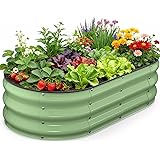
Yumatum Raised Garden Bed 4×2×1 FT, Galvanized Metal Raised Planter Box, Vegetable Planting Container with Safety Edge Trim, Hardware & Gloves Included, Fruit Green for Backyard Patio Balcony
$23.99 (as of 08:19 GMT -05:00 - More infoProduct prices and availability are accurate as of the date/time indicated and are subject to change. Any price and availability information displayed on [relevant Amazon Site(s), as applicable] at the time of purchase will apply to the purchase of this product.)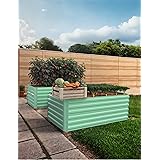
Now retrieving an image set.
CABIHOME 2 Pcs 6x3x2 Ft Galvanized Raised Garden Bed, Deep Root Planter Box for Vegetables, Flowers, Herbs- Large Metal Raised Garden Bed Kit for Outdoor Use, Green
$126.87 (as of 08:19 GMT -05:00 - More infoProduct prices and availability are accurate as of the date/time indicated and are subject to change. Any price and availability information displayed on [relevant Amazon Site(s), as applicable] at the time of purchase will apply to the purchase of this product.)Choosing the Right Location
Sunlight and Shade Balance
So, one of the first things you gotta think about is where you’re gonna put that beautiful water garden of yours. Trust me, it’s not just about picking a pretty spot in your yard. Sunlight is key! Most aquatic plants love their sunshine, but too much direct sunlight can lead to algae problems. I found a cozy spot in my yard that gets about six hours of sunlight a day, and it’s made all the difference.
Of course, if you live in an area that gets super hot, a little shade can be a lifesaver for your plants. The trick is to balance it out just right. You want your plants to thrive without getting burnt out. I usually do a little test by observing how the light shifts through the seasons—it’s totally worth the patience!
When selecting a location, try to avoid places where heavy rainfall might flood the garden. You want your garden to be a peaceful haven, not a mud pit! Keep an eye on drainage patterns and choose accordingly.
Accessibility for Maintenance
Let’s be real. If you can’t reach your water garden, it’s gonna become a hassle quickly. So, make sure it’s easy for you to get to for maintenance. I initially put mine too far back in my yard, and oh boy, dragging out the hose each time felt like an Olympic event! Now, mine is closer to the patio, and I can manage it all with ease.
Think about how often you’re going to need to check on things. Regular maintenance can include changing the water, checking your pumps, or even just admiring the fish swimming around. Make your life easy so you can enjoy your garden instead of laboring over it.
I also recommend laying down some stepping stones or gravel paths leading to your water garden. This meandering path not only looks great but keeps your shoes clean and dry on rainy days.
Wind Protection
Wind can be quite a foe for your water garden, especially if you’re growing delicate plants. I’ve had a couple of my lily pads blown off a few times, which is always a bummer. To combat this, consider planting some tall grasses or installing a decorative fence around the garden.
The right kind of barrier not only protects your plants but can also add a nice aesthetic touch. I added a low wooden fence around mine, and it turned my garden into a lovely little enclave. Plus, it helps keep debris out!
Another idea is to plant some flowers that create a natural barrier. They do double duty and provide color and protection, making your garden even more lively.
Choosing Plants
Understanding Aquatic Plants
Okay, here’s where the fun begins—picking your plants! It’s easy to get lost in the stunning varieties available, but it helps to know which ones thrive together. A mix of floating, submerged, and emergent plants creates a balanced ecosystem, and believe me, you’ll thank yourself later.
I’ve gone for a variety of water lilies, lotuses, and some lovely rain lilies. They each bring their charm to the garden and suit different areas. Researching native plants that are suited for your climate can really simplify and enhance your choices.
Strike a balance between aesthetics and function. Some plants, like hornwort, are fantastic for filtering the water, while others like lotus bring that wow factor. It’s about creating harmony in your water garden!
Color and Texture
This is where I really let my personality shine! Opt for a blend of colors and textures to make your garden pop. I like to mix bold colors with soft greens to create a dynamic visual effect. Think about how each plant’s leaves and blooms will contrast and complement each other.
Don’t forget about seasonal changes, too! Some plants bloom only at certain times, so try to plant a mix that’ll keep your garden looking lively year-round. Consider adding ornamental grasses for height and movement, which can be stunning in the wind!
Experimenting with the layout is all part of the joy. Move things around until it feels right—I’ve done it a hundred times, and it’s always satisfying to see the format evolve!
Nutrient Consideration
Alright, let’s talk nutrients. Aquatic plants need specific nutrients to thrive, and this often gets overlooked. Using organic fertilizers designed for aquatic plants can greatly enhance growth and blooming. I learned this the hard way after a few lackluster seasons!
Be careful, though, because too many nutrients can lead to algae blooms, which nobody wants. A good rule of thumb is to fertilize only during the growing season and monitor how plants respond. Balance is vital!
Sometimes, also adding composted leaves or organic materials will naturally enrich your pond without causing excess nutrients. It’s like nature’s own little trick to keep things in check while ensuring healthy plants.
Water Quality Maintenance
Regular Testing
Water quality is essential, folks! Regular testing for pH levels, ammonia, nitrite, and nitrate will help keep your aquatic plants and fish healthy. Grab yourself a testing kit—trust me, it’ll save you a headache later on!
I check my water quality about once a month, and sometimes more if I see any issues popping up. Keeping track of parameters can help you catch problems before they escalate into a disaster.
Understanding how the seasons affect your water quality is also a smart move. For instance, in the summertime, increased sunlight may lead to more algae growth, so keeping proactive checks will help you nip issues in the bud!
Get a free subscription to PREPARE – with more gardening and homesteading tips!
Water Changes
Oh, the dreaded water change! I know, it feels like an overwhelming chore, but it’s also one of the most beneficial things you can do for your garden. I like to change about 10-15% of the water each month to help refresh the ecosystem and keep waste levels down.
When doing water changes, I’ve adopted the habit of using dechlorinated water because the chlorine can harm your aquatic life. A little preparation goes a long way, and your plants will thank you!
If you have fish, be sure to keep an eye on the water temperature during changes, as drastic shifts can stress them out. The happier your fish, the more vibrant your water garden will be!
Algae Control
Algae is a common struggle with water gardens, but don’t lose hope! I’ve learned that maintaining a good balance of plants and ensuring the right amount of sunlight often keeps algae at bay. Who knew that a little planning could lead to so much less scrubbing?
If algae do pop up, consider introducing some natural algae eaters, like snails or certain fish. They can work wonders and keep the algae in check without introducing chemicals into your garden.
Should you find your pond particularly plagued, don’t hesitate to manually remove algae with a net. Consistent small efforts will keep your water clear and beautiful!
Seasonal Care
Preparing for Winter
As the chill sets in, I’ve learned that prepping my water garden for winter is crucial. Some plants can survive the frost, but others, like tropical lilies, need proper care. I usually dig up the delicate ones and bring them inside, while those hardy enough stay put.
Taking precautions like removing any debris from the surface keeps ice from forming over solid waste, which can harm plants underneath. Winterizing your pump is essential too—no one wants to deal with frozen equipment come spring!
Wrap any delicate plants together in burlap for extra insulation against the cold. It’s a little extra work but totally worth it for a colorful garden come springtime!
Spring Cleanup
When the thaw hits, it’s time for a spring cleanup! I love this part because it’s like giving your garden a fresh start. Begin by clearing out any debris that accumulated over winter, such as leaves or dead plant material.
This is a great time to prune any overgrown plants, as this can help promote new growth. Remember, fresh growth means a happier garden overall! Add in compost or fresh soil to kickstart the season.
All in all, check all your equipment to ensure everything’s in tip-top shape for the warmer months ahead. You want everything ready to go when the flowers start blooming again!
Summer Monitoring
During the summer, it’s all about keeping an eye on everything. Regularly check your plants for growth and signs of any stress. I swear, just spending a few minutes every day helps me catch any issues before they spiral out of control!
Water levels can drop due to evaporation, so make sure to keep that topped up. I usually fill mine up every week or so during the hotter months. I’ve seen how hydration makes all the difference!
Don’t forget to enjoy these beautiful summer days; take some time to just sit by your garden and appreciate the beauty you’ve created!
FAQs
1. How often should I change the water in my water garden?
You should aim to change about 10-15% of the water each month. This helps maintain a healthy environment for your plants and fish.
2. What type of plants are best for a water garden?
Look for a mix of floating, submerged, and emergent plants. Water lilies, lotuses, and various grasses can create a balanced and beautiful ecosystem.
3. How can I prevent algae buildup?
Maintaining a balance of plants and avoiding over-fertilization are key. You can also introduce algae-eaters like certain fish or snails to help control growth.
4. Do I need to worry about the water temperature during changes?
Yes! Make sure the new water is at a similar temperature to avoid shocking your fish. Gradual changes are always better.
5. What should I do in the winter for my water garden?
Prepare by bringing sensitive plants indoors and removing debris. It’s also essential to winterize your pumps to keep everything safe from freezing!
Get a free subscription to PREPARE – with more gardening and homesteading tips!
Related Content
- What you need to know about California’s new composting law – KESQ
- Aurora’s Wompost Is Transforming Compost Collection
- PI 100- Do’s and Dont’s of Composting
- HEDELT: Embrey Mill couple is serious about composting
- Kansas City compost piles are a perfect place for fruitcakes and other holiday leftovers – KCUR