
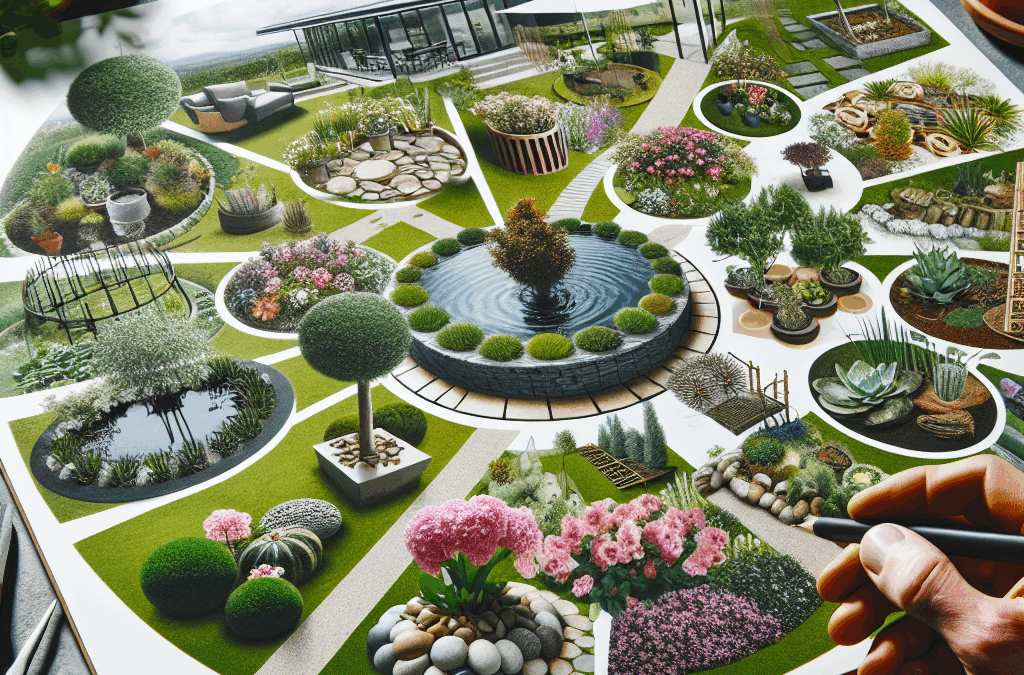
When selecting flowers, consider the specific pollinators you wish to attract, as different species prefer different types of plants. For instance, bees are particularly drawn to blue and purple flowers, while butterflies are often attracted to bright colors. Additionally, native plants are usually more effective at attracting local pollinators due to their evolutionary adaptations. Prioritize planting a mixture of annuals and perennials to ensure continuous blooms throughout the growing season, thus providing a reliable food source for pollinators.
A common mistake is planting only a few types of flowers, which can limit the diversity of pollinators visiting your garden. Instead, aim for a variety of shapes, colors, and bloom times to create an inviting environment for a broad spectrum of pollinators. By focusing on both native and nectar-rich plants, you can foster a more resilient garden ecosystem that supports pollinator populations while enhancing your landscape.
Top Pollinator-Friendly Flowers
Lavender, sunflowers, and bee balm are among the top choices for attracting pollinators due to their rich nectar and vibrant colors. Other effective flowers include coneflowers, asters, and zinnias. Each of these plants not only provides essential food for pollinators but also enhances the garden’s aesthetic appeal.
While selecting flowers, consider grouping them in clusters to create more visible patches of color, which can help attract pollinators from a distance. This method not only benefits bees and butterflies but also facilitates easier foraging. Additionally, planting flowers that bloom at different times can ensure a steady food supply throughout the seasons, supporting pollinator health year-round.
It’s also beneficial to include plants with different flower shapes and sizes, as various pollinators have specific preferences. For example, tubular flowers are ideal for hummingbirds, while flat flowers are easier for bees to land on. By creating a diverse garden, you can maximize the number of pollinators that visit.
Benefits of Attracting Pollinators
Attracting pollinators to your garden has numerous ecological benefits, including improved plant reproduction and increased biodiversity. Pollinators play a crucial role in the production of fruits, vegetables, and seeds, which are essential for both natural ecosystems and agricultural systems.
Besides enhancing food production, pollinators contribute to the stability of ecosystems by supporting the growth of a variety of plants. This, in turn, provides habitats for other wildlife and helps maintain soil health. Furthermore, gardens that attract pollinators can also lead to increased yields for fruit and vegetable crops, making them not just visually appealing but also economically beneficial.
However, it’s important to recognize that the decline in pollinator populations poses a threat to these benefits. By creating a pollinator-friendly environment, gardeners can actively contribute to conservation efforts and help combat the challenges faced by these essential species.
Common Mistakes to Avoid
One common mistake gardeners make is relying heavily on non-native plants, which may not provide the necessary resources for local pollinators. Non-native flowers can sometimes lack the nectar or pollen that specific pollinators need, leading to a decrease in visitation. It’s crucial to prioritize native species that have co-evolved with local pollinators.
Another mistake is using pesticides, which can be harmful to pollinators. Even products labeled as ‘bee-safe’ can have detrimental effects if used improperly. To protect pollinators, consider implementing integrated pest management practices that minimize chemical use and focus on natural pest control methods.
Additionally, many gardeners overlook the importance of providing shelter and nesting sites for pollinators. Incorporating elements like brush piles, native grasses, or bee hotels can significantly enhance the habitat and encourage pollinator populations to thrive.
Creating a Pollinator Habitat
To create an effective pollinator habitat, start by selecting a variety of flowering plants that bloom at different times throughout the growing season. Aim for a mix of colors, shapes, and sizes to attract a diverse range of pollinators. Alongside flowers, consider adding shrubs and trees that provide additional food sources and nesting sites.
Design your garden to include sunny spots with shelter from wind, as many pollinators prefer warmer environments with protection from harsh weather. Water sources, such as shallow dishes filled with stones, can also help attract pollinators, providing them with a place to drink without the risk of drowning.
Monitoring your garden for the presence of pollinators can provide valuable insights into its effectiveness. Observing which species visit can help you refine your plant selections and improve the habitat further, ensuring that your garden remains a thriving sanctuary for these important creatures.
Further Reading
Authoritative Sources
- Pollinator Partnership
pollinator.orgThis resource provides extensive information on pollinator species, their habitats, and how to support them
- National Wildlife Federation
nwf.orgA comprehensive guide on creating wildlife-friendly gardens that attract pollinators and other beneficial species
- Xerces Society
xerces.orgOffers scientific research, practical advice, and resources for protecting pollinators and their habitats
- U.S. Forest Service
fs.fed.usProvides information on native plants and conservation efforts to support pollinator populations
Frequently Asked Questions
What types of flowers are best for attracting bees?
Bees are attracted to blue, purple, and yellow flowers. Good choices include lavender, coneflowers, and sunflowers.
How can I create a pollinator-friendly garden?
Plant a variety of native flowers that bloom at different times, provide shelter, and avoid pesticides to create a welcoming habitat.
What should I avoid when planting for pollinators?
Avoid using non-native plants and pesticides, as they can harm pollinators and reduce their food sources.
Can I attract butterflies with flowers?
Yes, butterflies are attracted to bright, flat flowers such as zinnias and lantanas, which provide easy access to nectar.
How important are pollinators for food production?
Pollinators are essential for the reproduction of many fruits and vegetables, directly impacting food production and biodiversity.
Conclusion
Attracting pollinators to your garden is vital for enhancing biodiversity and supporting food production. Prioritize native flowers that provide ample nectar and pollen, and create a diverse habitat by including various plant types. Avoid common pitfalls such as using pesticides and limiting plant diversity. By fostering a pollinator-friendly environment, you can contribute to ecological health while enjoying the beauty and benefits these important species bring to your garden.


