
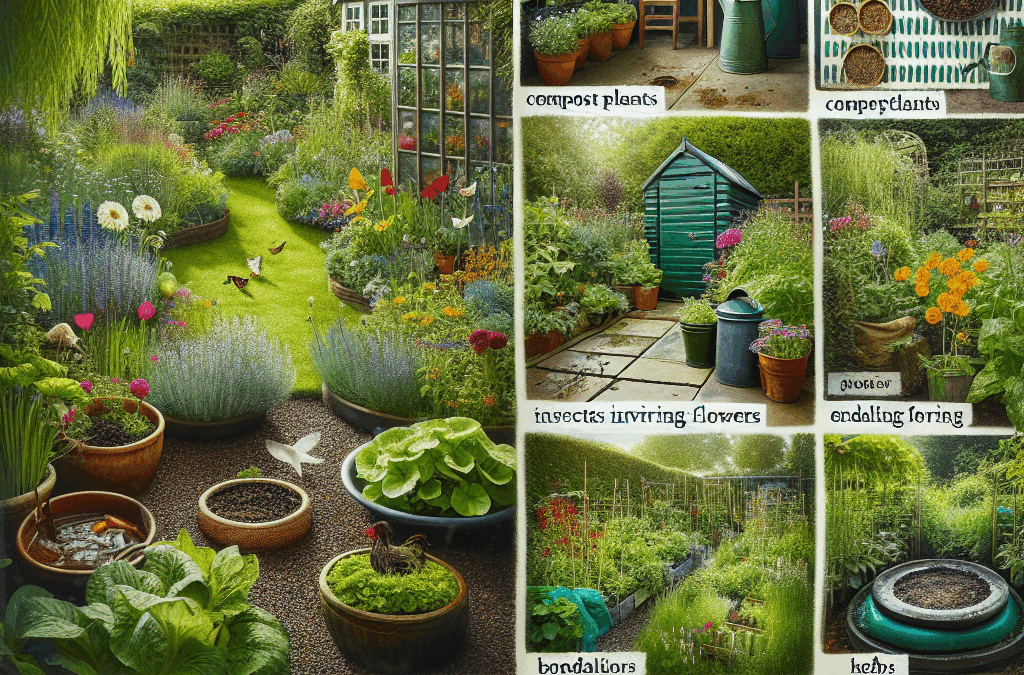
Composting is an effective method for transforming kitchen scraps and yard waste into nutrient-rich soil amendments. However, understanding what to compost and what to avoid is essential to prevent common pitfalls that can lead to unpleasant odors, pest infestations, and ineffective compost. By knowing the right materials to include, you can create a thriving compost pile that enriches your soil and supports healthy plant growth.
Many beginners mistakenly believe that all organic waste is suitable for composting. This assumption can lead to significant issues, such as attracting unwanted pests or producing a smelly compost heap. It’s important to prioritize the right materials and understand the implications of adding certain items. For instance, while fruit and vegetable scraps are excellent for composting, items like meat and dairy can lead to problems.
Understanding Composting Basics
At its core, composting is a natural process that breaks down organic materials into a rich soil amendment known as compost. This process relies on microorganisms, including bacteria and fungi, which decompose organic matter in the presence of oxygen. Understanding the balance of carbon-rich (browns) and nitrogen-rich (greens) materials is vital for successful composting. A common ratio is about three parts browns to one part greens.
When embarking on your composting journey, consider your specific situation—such as available space, local climate, and the types of waste you generate. For example, if you live in a small apartment, a countertop compost bin may be ideal. Conversely, those with more garden space can opt for larger outdoor compost bins or piles. Recognizing these factors allows you to tailor your composting strategy effectively.
What to Compost: The Good
Composting is most effective when you include the right materials. The following items are excellent choices for your compost pile:
- Fruits and Vegetables: Scraps from apples, bananas, carrots, and other produce are ideal.
- Coffee Grounds: Rich in nitrogen, coffee grounds support microbial activity.
- Yard Waste: Grass clippings, leaves, and small branches contribute valuable carbon.
- Eggshells: They provide calcium and help to balance pH levels in compost.
- Paper and Cardboard: Shredded paper and cardboard can be included in moderation, ensuring they are free of inks and coatings.
When adding these materials, ensure they are chopped or shredded into smaller pieces to accelerate decomposition. Additionally, layering materials can help with aeration, which is crucial for effective composting.
What to Avoid: The Bad and the Ugly
While composting can significantly benefit your garden, certain items must be avoided to maintain a healthy compost environment. Here are key materials to steer clear of:
- Meat and Dairy Products: These can attract pests and create foul odors.
- Oils and Fats: They slow down the composting process and can lead to rancid smells.
- Processed Foods: Foods with preservatives or additives can disrupt microbial activity.
- Weeds and Diseased Plants: These can introduce pathogens back into your garden.
- Citrus Peels: In large quantities, they can create acidity issues and deter beneficial organisms.
Understanding these restrictions helps you maintain a successful compost system. Ignoring these guidelines can lead to a compost pile that is inefficient and unpleasant.
Common Mistakes to Avoid
Even with the best intentions, composting can be fraught with challenges. Here are some common mistakes to watch out for:
- Not Turning the Pile: Regularly aerating your compost by turning it helps speed up the decomposition process.
- Ignoring Moisture Levels: Compost should be moist but not soggy. Too much moisture can lead to anaerobic conditions, while too little can slow down decomposition.
- Overloading with One Material: A balanced mix of greens and browns is essential for effective composting.
- Using Contaminated Materials: Always ensure that the materials you add are free from pesticides and herbicides.
Avoiding these pitfalls will help ensure your composting efforts yield the best possible results, creating rich soil that promotes healthy plant growth.
Further Reading
Authoritative Sources
- Composting at Home
epa.govA comprehensive guide from the EPA on how to compost effectively at home
- Composting Guide by NRDC
nrdc.orgInsightful tips and best practices for composting, provided by the Natural Resources Defense Council
Frequently Asked Questions
What materials should I avoid composting?
Avoid meat, dairy, oily foods, and diseased plants, as they can create odors and attract pests.
Can I compost pet waste?
It’s generally not recommended to compost pet waste due to potential pathogens. Consider using a dedicated composting system for pet waste.
How often should I turn my compost pile?
Turning your compost pile every 2-4 weeks helps aerate it and speeds up the decomposition process.
What is the ideal carbon to nitrogen ratio for compost?
A good ratio is about 30 parts carbon to 1 part nitrogen, which can be achieved by balancing browns and greens.
How long does it take for compost to be ready?
Depending on conditions, compost can take anywhere from 3 months to 2 years to fully mature.
Conclusion
Understanding what to compost and what to avoid is fundamental for creating a successful composting system. By focusing on the right materials and avoiding common pitfalls, you can turn organic waste into a valuable resource for your garden. Prioritize balancing your compost ingredients and maintaining proper moisture levels to ensure effective decomposition. With the right approach, composting can enrich your soil and contribute to a sustainable gardening practice.


