
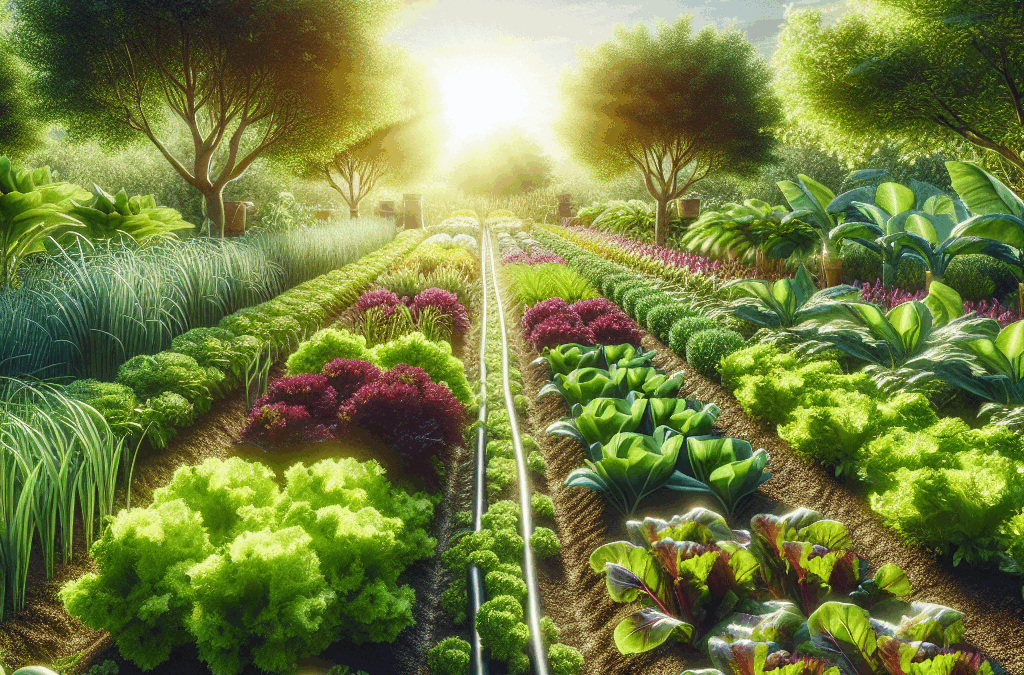
Choosing the right plants is crucial for achieving a flourishing garden in poor soil. Many gardeners mistakenly believe they need to heavily amend their soil before planting. While some amendments can help, starting with resilient plants that can handle the existing soil conditions is often more effective. This approach allows you to gradually improve soil quality while still enjoying a productive garden.
Common mistakes include over-fertilizing or planting species that require rich soil, which can lead to frustration. Instead, focus on plants that can naturally enhance soil structure and fertility, such as legumes, which fix nitrogen in the soil, or deep-rooted plants that can break up compacted soil. Prioritizing these resilient options will set you up for success in your gardening endeavors.
Understanding Poor Soil Conditions
Poor soil conditions typically arise from low nutrient content, poor drainage, or a lack of organic matter. Understanding the specific issues with your soil is the first step in addressing garden challenges. Soil testing can reveal pH levels and nutrient deficiencies, guiding your plant selection process.
Many gardeners overlook the importance of soil structure and composition. For instance, compacted soil can inhibit root growth and water absorption. By recognizing these factors, you can make informed decisions about which plants to choose and how to approach soil management.
It’s also important to consider the local climate and how it interacts with your soil type. For example, sandy soils may drain quickly but lack nutrients, while clay soils retain water but can become compacted. Tailoring your plant choices to these conditions can enhance your gardening success.
Best Plants for Poor Soil
When dealing with poor soil, selecting the right plants is essential. Some of the best options include clover, which enriches the soil with nitrogen; various herbs such as thyme and oregano, which are drought-tolerant and can thrive in less fertile conditions; and vegetables like radishes, kale, and beets.
These plants not only survive but can also improve the soil over time. For instance, clover can act as a cover crop, preventing soil erosion and enriching the soil as it decomposes. Similarly, deep-rooted vegetables can help aerate the soil, making it easier for subsequent crops to grow.
Additionally, herbs can be a great choice because they often require less maintenance and can tolerate poorer soil conditions. Many gardeners find success by integrating these plants into their gardens, ensuring a resilient and productive space.
Soil Improvement Techniques
Improving poor soil quality can be achieved through several techniques that complement your choice of plants. Adding organic matter, such as compost or well-rotted manure, can enhance nutrient content and soil structure. Regular mulching can also help retain moisture and suppress weeds.
Another effective method is crop rotation, which prevents nutrient depletion and reduces pest and disease buildup. Incorporating cover crops during the off-season can also improve soil health and structure.
Prioritizing gradual improvements rather than immediate fixes will yield the best results. Over time, as you cultivate resilient plants and enrich the soil, you’ll notice significant enhancements in soil quality, leading to a more vibrant garden.
Further Reading
Authoritative Sources
- MedlinePlus
medlineplus.govConsumer-friendly medical and health information from the U.S. National Library of Medicine.
- National Institutes of Health
nih.govResearch-based health information and links to authoritative medical resources.
- Centers for Disease Control and Prevention
cdc.govOfficial public health guidance, prevention resources, and topic-specific recommendations.
- Mayo Clinic
mayoclinic.orgTrusted clinical guidance, symptom explainers, and treatment overviews.
- World Health Organization
who.intGlobal health guidance, fact sheets, and evidence-based public health information.
Frequently Asked Questions
What are the signs of poor soil?
Signs of poor soil include poor drainage, low plant growth, and nutrient deficiencies evident in yellowing leaves or stunted growth.
Can I improve my soil without chemical fertilizers?
Yes, you can improve your soil through organic amendments like compost, cover crops, and mulching, which enhance soil structure and fertility naturally.
What is the best time to plant in poor soil?
Spring and early fall are ideal times to plant in poor soil, as these seasons allow plants to establish roots before extreme temperatures.
How often should I water plants in poor soil?
Watering frequency depends on the specific plants and local climate, but generally, it’s best to water deeply and less frequently to encourage deep root growth.
Are there any plants I should avoid in poor soil?
Avoid plants that require rich, well-drained soil, such as many flowering perennials and certain vegetables like tomatoes and peppers, which may struggle in poor conditions.
Conclusion
In closing, growing plants in poor soil requires a strategic approach focused on resilience and gradual improvement. By selecting appropriate species like clover, hardy herbs, and certain vegetables, you can create a thriving garden even in challenging conditions. Prioritize understanding your soil’s unique characteristics and employ organic methods to enhance its fertility over time. As your garden evolves, so too will the quality of your soil, leading to a more productive and sustainable gardening experience.


