
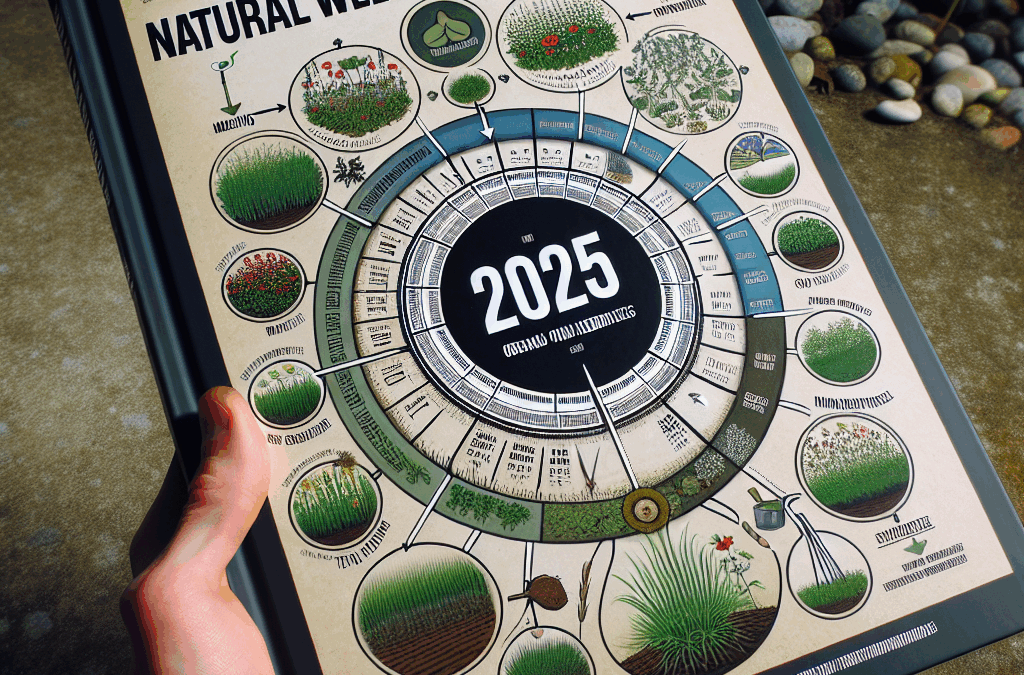
Crops that grow best in partial sun include leafy greens like spinach, kale, and lettuce, as well as root vegetables such as carrots and beets. These plants thrive with 3 to 6 hours of sunlight daily, making them suitable for shaded areas in your garden. Additionally, herbs like parsley, cilantro, and chives can flourish in these conditions, adding flavor to your meals while attracting beneficial insects. To maximize your garden's potential, consider mixing different varieties of these crops, which can enhance biodiversity and improve overall health. Remember to assess the light patterns in your garden to optimize your planting strategy.
Understanding Partial Sun Conditions
Partial sun refers to areas that receive between 3 to 6 hours of direct sunlight each day. Understanding this condition is crucial for selecting suitable crops, as some plants thrive under these specific light conditions. The amount of sunlight affects photosynthesis, which in turn influences growth rates, flavor, and yield of the plants. Knowing which crops are compatible with partial sun can enhance your gardening success.
In shaded areas, it’s essential to consider factors such as how the surrounding structures or trees affect light exposure. For instance, while some plants can tolerate partial shade, others may struggle. Thus, assessing the light patterns in your garden throughout the day will help you make informed choices about what to plant.
Best Crops for Partial Sun
Several crops excel in partial sun conditions, allowing gardeners to maximize their space effectively. Leafy greens such as spinach, kale, and lettuce are among the top choices, as they thrive in cooler temperatures and can tolerate limited sunlight. Root vegetables like carrots and beets also perform well, as they grow underground and require less direct light.
Additionally, herbs such as parsley, cilantro, and chives can flourish in partial sun. These herbs not only enhance culinary dishes but also attract beneficial insects to your garden. When selecting crops, consider mixing different varieties to ensure a diverse harvest and improve overall garden health.
Planting and Care Tips
When planting crops in partial sun, timing and soil preparation are crucial. Choose the right season for planting based on the specific crop requirements. For example, leafy greens can be planted in early spring or fall, while root vegetables are best sown in early spring. Preparing the soil with organic matter improves drainage and nutrient availability, which is particularly beneficial in shaded areas.
Regular watering is essential, especially in warmer months, as partial sun areas may dry out faster. Mulching can help retain soil moisture and regulate temperature. Monitor your crops for signs of stress, such as yellowing leaves, which may indicate insufficient light or nutrients.
Common Mistakes to Avoid
One common mistake gardeners make is choosing crops that require full sun in partial sun areas, leading to poor growth and disappointing yields. Always check the light requirements of each plant and select accordingly. Another mistake is overcrowding plants, which can limit airflow and increase the risk of disease.
Additionally, neglecting soil health can hinder plant growth. Regularly amend your soil with compost or organic fertilizers to keep nutrient levels balanced. All in all, be cautious with watering; overwatering can be just as detrimental as underwatering, particularly in shaded environments where moisture retention is higher.
Frequently Asked Questions
What are the best vegetables for partial sun?
Leafy greens like spinach and lettuce, root vegetables such as carrots, and herbs like parsley thrive in partial sun conditions.
How many hours of sunlight do crops need to grow?
Crops in partial sun typically need 3 to 6 hours of direct sunlight each day for optimal growth.
Can I grow tomatoes in partial sun?
Tomatoes generally require full sun, but some varieties may tolerate partial sun if conditions are otherwise ideal.
What should I do if my plants are not growing well in partial sun?
Assess the light exposure, ensure proper watering, and check soil health to identify potential issues affecting plant growth.
How does soil quality affect growth in partial sun?
Healthy soil provides essential nutrients and improves drainage, which is especially important for plants in partial sun that may face stress.
Conclusion
Selecting the right crops for partial sun is crucial for a thriving garden. By understanding the specific light needs and soil conditions, you can maximize your harvest. Focus on leafy greens, root vegetables, and herbs that thrive in these conditions, and ensure proper planting and care techniques. Avoid common pitfalls like overcrowding and poor soil health to achieve the best results.


