
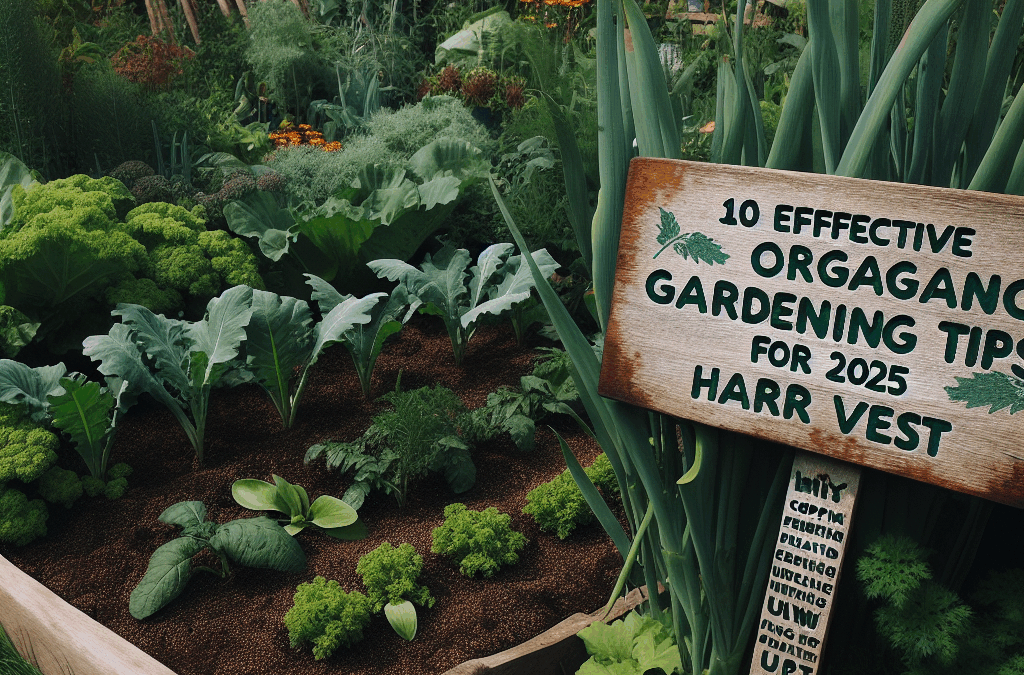
When planning a container herb garden, it’s important to consider the specific growth habits and requirements of each herb. For instance, basil thrives in warm, sunny conditions and prefers well-drained soil, while parsley can tolerate partial shade and requires more moisture. Understanding these differences allows you to group herbs that can share similar conditions, maximizing growth potential and minimizing competition for resources.
A common mistake in container gardening is overcrowding herbs, which can lead to poor air circulation and increased susceptibility to diseases. To avoid this, always ensure that each herb has enough room to grow both above and below the soil. Additionally, consider the height and spread of each herb; for example, taller herbs like chives can be planted alongside shorter varieties like thyme to utilize vertical space effectively.
Understanding Companion Planting
Companion planting is the practice of growing different plants together for mutual benefit. In container gardening, this technique can enhance the growth, flavor, and health of your herbs. Certain herbs can attract beneficial insects, repel pests, or improve nutrient uptake in the soil, creating a thriving ecosystem within your containers. By understanding which herbs work well together, you can create a more productive and enjoyable gardening experience.
For example, basil and tomatoes are commonly known companions, as basil can enhance the flavor of tomatoes while repelling pests such as aphids and hornworms. Similarly, planting chives near carrots can deter carrot flies, making both herbs more successful in their growth. Recognizing these relationships is key to maximizing the potential of your container herb garden.
Additionally, it’s important to consider the growth patterns of herbs. Some herbs may grow aggressively and overshadow others, which can lead to competition for sunlight and nutrients. Therefore, carefully selecting companion plants based on their growth habits is crucial for maintaining a balanced and productive container garden.
Top Herbs for Container Companionship
Several herbs are particularly well-suited for container gardening and can thrive in combination. Here are some of the best companions:
- Basil: Pairs well with tomatoes and peppers; enhances flavor and repels pests.
- Chives: Great companion for carrots and beets; deters aphids.
- Oregano: Complements marjoram and thyme; thrives in well-drained soil.
- Parsley: Works well with most herbs; can tolerate partial shade.
- Thyme: Excellent with rosemary and sage; prefers dry conditions.
When selecting herbs, consider their growth requirements and ensure you group those with similar needs. For instance, both basil and parsley prefer moist, rich soil, making them ideal companions. On the other hand, thyme and oregano thrive in drier conditions, so they should be planted together to avoid overwatering.
Planting and Care Tips
To successfully grow herbs together in containers, start with a suitable pot that has adequate drainage holes. Use a high-quality potting mix to ensure that the herbs have the nutrients they need to thrive. When planting, consider the size and growth habits of each herb; larger herbs should be placed in the center of the container, with smaller herbs around the edges.
Watering is a critical aspect of herb care. Check the soil moisture regularly and adjust your watering schedule based on the weather and the specific needs of each herb. Generally, herbs prefer to dry out slightly between waterings, but some, like parsley, may require more consistent moisture.
Fertilization is also important; use a balanced, organic fertilizer every few weeks during the growing season to support healthy growth. Pruning herbs regularly encourages bushy growth and can help prevent overcrowding. Be sure to harvest regularly to promote new growth and prevent any herb from becoming too dominant.
Common Mistakes to Avoid
One of the most common mistakes in container herb gardening is failing to consider the unique needs of each herb. Planting herbs with vastly different water, light, or nutrient requirements can lead to poor growth and even plant death. Always research the specific needs of each herb before planting them together.
Another mistake is overcrowding. While it may be tempting to maximize your planting space, herbs need room to grow. Overcrowding can lead to competition for resources and increased susceptibility to pests and diseases. Always leave adequate space between each herb, and consider their mature size when planning your container layout.
Lastly, neglecting to monitor for pests can be detrimental. Regularly inspect your herbs for signs of infestation, and take action promptly if you notice any issues. Using natural pest deterrents, such as neem oil or insecticidal soap, can help keep your plants healthy without harming beneficial insects.
Further Reading
Authoritative Sources
- Gardening Know How
gardeningknowhow.comThis resource offers extensive information on companion planting and herb care
- Harvard University Extension
extension.harvard.eduA detailed guide on the benefits of companion planting in herb gardening
Frequently Asked Questions
What herbs can I grow together in a container?
Good combinations include basil with parsley, chives with carrots, and oregano with thyme, as they share similar growth requirements.
How often should I water my container herbs?
Water your herbs when the top inch of soil feels dry, adjusting based on weather conditions and the specific water needs of each herb.
Can I plant herbs with vegetables in containers?
Yes, many herbs can be planted alongside vegetables; for example, basil pairs well with tomatoes and peppers.
What size container is best for growing herbs?
A container that is at least 12 inches deep and wide is generally suitable for most herbs, allowing for proper root growth.
How do I prevent pests in my container herb garden?
Regularly inspect your plants, use natural pest deterrents like neem oil, and encourage beneficial insects to keep pests at bay.
Conclusion
All in all, growing herbs together in containers can enhance their growth and flavor while creating a vibrant garden space. By understanding the principles of companion planting, selecting the right herbs, and avoiding common mistakes, you can cultivate a healthy and productive container garden. Remember to monitor the specific needs of each herb and provide adequate space for them to thrive. With careful planning and attention, your container herb garden can flourish, providing you with fresh ingredients for your culinary adventures.


