Now retrieving an image set.
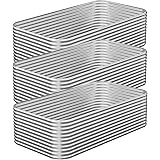
CATMANOR 3 Pack Tall 4x2FT Corrugated Galvanized Steel Raised Garden Bed Outdoor, Metal Above Ground Garden Bed for Vegetables and Flowers, Raised Beds for Gardening
$89.99 (as of 08:19 GMT -05:00 - More infoProduct prices and availability are accurate as of the date/time indicated and are subject to change. Any price and availability information displayed on [relevant Amazon Site(s), as applicable] at the time of purchase will apply to the purchase of this product.)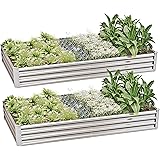
Now retrieving an image set.
Kinddeer 8x4x1ft(2 Pack) Galvanized Raised Garden Bed Kit, Galvanized Planter Garden Boxes Outdoor, Metal Raised Garden Beds for Vegetables,Fruits, Flower,Silver
$61.55 (as of 08:19 GMT -05:00 - More infoProduct prices and availability are accurate as of the date/time indicated and are subject to change. Any price and availability information displayed on [relevant Amazon Site(s), as applicable] at the time of purchase will apply to the purchase of this product.)Have you ever planted a lush, vigorous tomato plant only to find it towering over your garden, yet stubbornly refusing to bear any fruit? This frustrating scenario is common among gardeners, and many wonder Why are your tomato plants tall but not producing fruit? Understanding the root causes behind this phenomenon is essential for turning your tall greenery into a fruitful harvest. In this article, we’ll explore the most common factors affecting tomato fruiting, provide expert insights, and share actionable tips to boost your tomato yield.
If your tomato plants are growing tall but not setting fruit, you’re likely facing issues related to environmental conditions, nutrient imbalances, or pollination challenges. Knowing Why are your tomato plants tall but not producing fruit? is the first step toward remedying the situation and ensuring your garden produces the delicious, ripe tomatoes you desire. Let’s dive into the core reasons and solutions that can help turn your tall tomato plants into productive ones.
Understanding Why Your Tomato Plants Grow Tall Without Producing Fruit
Environmental Factors Impacting Fruit Production
The environment plays a crucial role in tomato fruiting. Tall growth without fruit is often a sign that certain conditions are not optimal for flowering and fruit set. Factors like temperature, light, humidity, and pollination directly influence whether your plants will produce tomatoes or just grow foliage.
For example, excessively high temperatures—above 85°F (29°C)—can cause flowers to drop and prevent fruit development. Similarly, inadequate sunlight hampers photosynthesis, limiting energy available for fruit production. Understanding Why are your tomato plants tall but not producing fruit? often involves analyzing these environmental elements.
Nutrient Imbalances and Their Effects
Nutrient management is vital for healthy tomato plants. An abundance of nitrogen encourages lush, vigorous foliage, leading to tall, leafy plants that may seem healthy but are actually sterile in terms of fruiting. Conversely, a deficiency in phosphorus or potassium can also hinder flower and fruit development.
- Too much nitrogen results in excessive leafy growth but minimal fruit.
- Lack of phosphorus affects root development and flowering.
- Inadequate potassium limits fruit size and ripening.
- Imbalanced fertilization can cause stress, leading to poor fruit set.
In cases where Why are your tomato plants tall but not producing fruit, reviewing your fertilizer regimen is essential. Adjusting nutrient levels can shift the plant’s focus from foliage to fruiting.
Pollination Challenges and Flowering Problems
Tomatoes rely on effective pollination to set fruit. Poor pollination due to lack of pollinators, high humidity, or temperature extremes can result in flowers that drop before developing into fruit. Additionally, environmental stressors can inhibit the plant’s ability to produce viable pollen.
Research shows that inadequate pollination is a common culprit when tall tomato plants don’t bear fruit, even if they are healthy and lush. Consider this: if your plants are tall and leafy but no fruit appears, it might be a pollination issue rather than a nutritional one.
Common Causes of Tall Tomato Plants with Poor Fruit Yield
Why are your tomato plants tall but not producing fruit? Excessive Nitrogen
One of the most prevalent reasons is over-fertilization with nitrogen. Nitrogen stimulates rapid vegetative growth, resulting in tall, sprawling plants. However, this growth often comes at the expense of flowering and fruiting. Gardeners might notice their plants reaching impressive heights but producing few or no tomatoes.
For example, a gardener applying high-nitrogen fertilizer designed for leafy greens might unintentionally cause their tomato plants to grow tall and bushy but hinder fruit development. Balancing nutrients is key to redirecting energy toward fruit production.
Environmental Stress: The Role of Temperature
Temperature fluctuations are another major factor. Tomatoes thrive between 65°F and 85°F (18°C-29°C). When temperatures exceed this range, especially during the day, pollination becomes less effective, and flowers may drop. As a result, plants may continue to grow taller but fail to set fruit, leading to a common question: Why are your tomato plants tall but not producing fruit?
In hot climates, shading and watering can mitigate some temperature stress, but often, the environmental conditions simply inhibit flowering.
Pollination Problems
Another frequent cause of tall tomato plants not yielding fruit is inadequate pollination. Tomatoes depend on vibrations—either from wind, insects, or manual shaking—to transfer pollen. Without proper pollination, flowers drop, and no fruit develops. This issue is particularly common in indoor or greenhouse settings where pollinators are absent.
Understanding Why are your tomato plants tall but not producing fruit? often involves inspecting pollination conditions and ensuring natural or artificial pollination methods are in place.
How to Correct Why are your tomato plants tall but not producing fruit
1. Balance Fertilization
Start by testing your soil’s nutrient levels. Use a balanced fertilizer with a phosphorus and potassium ratio that encourages flowering. Switch from high-nitrogen fertilizers to those formulated for fruiting plants. Organic options like compost, bone meal, or fish emulsion can provide the right nutrients without overdoing nitrogen.
Implementing a fertilizer schedule that emphasizes phosphorus and potassium during flowering can significantly improve fruit set, addressing the core of Why are your tomato plants tall but not producing fruit.
2. Control Temperature and Light
If high temperatures are a problem, consider shading your plants during peak heat hours or using row covers to reduce stress. Ensuring your tomato plants receive at least 6-8 hours of direct sunlight daily is crucial for flowering and fruiting. In cooler climates, supplemental lighting can help extend the growing season and promote fruit development.
Additionally, maintaining proper airflow and humidity levels can prevent fungal issues and improve pollination success.
3. Enhance Pollination
Manual shaking or tapping the flowers during peak bloom hours can help transfer pollen effectively. If you’re growing indoors or in a greenhouse, consider introducing pollinators like bumblebees or using a small brush to mimic natural pollination. Ensuring a warm, humid environment during flowering also encourages pollen viability.
Get a free subscription to PREPARE – with more gardening and homesteading tips!
This approach directly addresses Why are your tomato plants tall but not producing fruit? by promoting successful pollination.
Practical Steps to Boost Tomato Fruit Production
- Test and amend soil: Conduct soil tests and adjust nutrient levels to favor phosphorus and potassium over nitrogen.
- Manage watering: Keep soil evenly moist but not waterlogged to reduce stress.
- Control temperature: Use shading or fans in hot weather to keep temperatures within optimal range.
- Enhance pollination: Manually shake flowers or introduce pollinators if possible.
- Prune and support: Remove excess foliage that may block airflow and focus plant energy on fruiting branches.
- Monitor and adjust: Keep a gardening journal to track what works best and adjust your practices accordingly.
By following these steps, you directly address the common causes of tall tomato plants with poor fruit yield, helping you achieve a more abundant harvest. Remember, understanding Why are your tomato plants tall but not producing fruit? is essential for implementing targeted solutions.
Expert Tips and Best Practices for Healthy Tomato Plants
- Plant in well-draining soil enriched with compost.
- Use mulch to retain moisture and regulate soil temperature.
- Apply balanced fertilizer during early growth stages.
- Encourage pollination with manual methods or by attracting beneficial insects.
- Monitor environmental conditions regularly and adjust accordingly.
- Prune suckers to improve airflow and direct energy to fruiting branches.
- Maintain consistent watering—avoid drought stress or waterlogging.
- Be patient; some varieties take longer to set fruit, especially under suboptimal conditions.
Following these best practices enhances overall plant health and ensures that tall, vigorous tomato plants begin to focus their energy on producing delicious, ripe tomatoes. Understanding Why are your tomato plants tall but not producing fruit? guides you in making the right adjustments at the right time.
References and Resources
These resources provide valuable information about Why are your tomato plants tall but not producing fruit. Check them out for additional insights:
Authoritative Sources on Why are your tomato plants tall but not producing fruit
-
Three Reasons Your Tomatoes Aren’t Producing
www.uaex.uada.eduThis article explores common reasons, including environmental and nutritional factors, behind poor tomato fruit production, helping gardeners troubleshoot effectively.
-
Why do I have such full, healthy tomato plants but no fruit?
www.reddit.comA community discussion highlighting fertilization and environmental issues that prevent fruiting despite healthy foliage.
-
4 Reasons Why Your Tomatoes Aren’t Fruiting
scottsmiraclegro.comComprehensive insights into pollination, temperature, light, and fertilization issues affecting tomato fruiting.
-
Excess Nitrogen Fertilizer Too Much nitrogen = tall green plants with no fruits
www.facebook.comDiscussion on how nitrogen levels influence plant growth and fruit development, with practical advice.
-
Tomato Plants Not Setting Fruit? Here’s Why
bonnieplants.comFocuses on heat and environmental factors that prevent tomato flowering and fruiting.
-
Huge tomato plants, but fruits stalled
gardening.stackexchange.comDiscussion on plant pruning, energy distribution, and fruit development issues.
-
Top 3 Reasons Why Your Tomatoes Are Not Setting Fruit
www.growveg.comSummarizes pollination, heat, and fertilization issues with practical advice for home gardeners.
-
Why aren’t my tomato plants producing tomatoes?
www.quora.comAnswers focus on temperature, pollination, and cultural practices impacting fruit set.
Frequently Asked Questions
Why are my tomato plants tall but not producing fruit?
This is a common concern among gardeners. Tall, lush tomato plants without fruit often result from environmental stressors like high temperatures, inadequate pollination, or nutrient imbalances—particularly excess nitrogen. Addressing these issues by adjusting watering, fertilization, and providing proper pollination techniques can stimulate fruit production.
How can I improve pollination for my tomato plants?
Manual shaking of flowers, using a small brush to transfer pollen, or introducing pollinators like bees can significantly increase fruit set. Ensuring your plants are in a warm, humid environment during flowering also encourages natural pollination processes.
What nutrients should I focus on to promote fruiting?
Prioritize phosphorus and potassium over nitrogen in your fertilizer regimen. These nutrients support flowering and fruit development. Organic options such as bone meal and potassium-rich compost are excellent choices for balanced nutrition.
Can temperature control help my tall tomato plants produce fruit?
Yes, maintaining optimal temperatures—between 65°F and 85°F—is crucial. Shading during hot days or using fans and cooling methods can prevent heat stress that inhibits flowering and fruiting.
Why are my tomato flowers falling off before setting fruit?
This often indicates poor pollination, environmental stress, or extreme temperatures. Ensuring proper pollination, moderating heat, and providing consistent watering can reduce flower drop and promote fruit development.
Conclusion
Understanding Why are your tomato plants tall but not producing fruit is key to transforming your garden’s potential into a bountiful harvest. The root causes—whether environmental, nutritional, or pollination-related—must be addressed to encourage your tall tomato plants to shift their focus from mere growth to fruitful production.
By adjusting fertilization practices, managing environmental stressors, and promoting effective pollination, gardeners can turn their tall, leafy plants into productive sources of delicious tomatoes. Remember, a little troubleshooting and proper care go a long way in overcoming the common barriers to tomato fruiting. With patience and the right strategies, your garden will soon reward you with a plentiful, flavorful harvest.
Get a free subscription to PREPARE – with more gardening and homesteading tips!
Related Content
- The Liberal Party has unveiled their environmental election pledges, focused on closed-loop systems
- Black & Decker 1203 Classic 24-Inch Garden Hedge Shears With 12-Inch Serrated Blades
- City Department of Sanitation to Host Collection Day for Household Hazardous Waste Materials
- How To Grow A Garden With Minimal Space
- Plant-based meat only “part of the equation”: Charley St launches vegan alternatives in …