Now retrieving an image set.
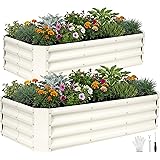
INNO STAGE 2Pcs Galvanized Raised Garden Bed Kit, 4x2x1FT Metal Raised Garden Beds for Vegetables, Rust-Resistant & Easy Assembly, Outdoor Raised Beds for Gardening, Flowers, Herbs (White)
$47.29 (as of 08:19 GMT -05:00 - More infoProduct prices and availability are accurate as of the date/time indicated and are subject to change. Any price and availability information displayed on [relevant Amazon Site(s), as applicable] at the time of purchase will apply to the purchase of this product.)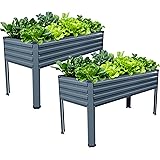
Now retrieving an image set.
Vengarus Galvanized Raised Garden Bed Outdoor with Legs,48×18×30in Metal Elevated Raised Planter Box for Backyard, Patio, Balcony, 300lb Capacity,Grey(2PCS)
$79.99 (as of 08:19 GMT -05:00 - More infoProduct prices and availability are accurate as of the date/time indicated and are subject to change. Any price and availability information displayed on [relevant Amazon Site(s), as applicable] at the time of purchase will apply to the purchase of this product.)- Introduction
- Inadequate Planning
- Poor Soil Quality
- Insufficient Knowledge
- Neglect and Maintenance Issues
- FAQ
- Conclusion
Introduction
One question that often arises for new gardeners is, “Why do beginner vegetable gardens fail so often?” This is a significant concern as many aspiring green thumbs get excited about cultivating their own produce but end up disheartened when things don’t go as planned. To understand this issue, we must deep dive into the common pitfalls and obstacles that many beginners face.
Gardening can be both rewarding and challenging. It takes time, patience, and a bit of know-how to turn that initial enthusiasm into a thriving vegetable garden. In this article, I will provide you with insights into the frequent reasons beginner vegetable gardens fail and offer guidance on how to avoid these traps in 2026 and beyond.
Inadequate Planning
Ignoring Local Climate
One major reason for failure is beginners often overlook the importance of their local climate. Different vegetables thrive in different weather conditions, and not recognizing this can lead to poor growth or outright failure. For instance, planting tomatoes too early in the season can leave them vulnerable to frost.
Understanding your growing zone is crucial. Researching local weather patterns and seasonal variations can help you choose appropriate planting times, ensuring a higher chance of success. By planning with climate in mind, you align your gardening efforts with nature’s cycles, resulting in better yields.
Overestimating Available Space
Many new gardeners dream big, picturing a sprawling vegetable patch. However, they often underestimate the care and attention each plant requires. As a result, they may plant too many seeds in too small a space, leading to overcrowding and competition for nutrients.
Before planting, realistically assess your space and consider how many plants you can adequately care for. Start small and expand as you gain experience. This approach not only conserves resources but also makes maintenance less overwhelming, which is key to success.
Lack of a Garden Plan
Another aspect of inadequate planning is failing to lay out a garden plan. Many beginners plant seeds without any thought to their arrangement, lighting, or companion planting. This oversight can negatively impact the health of your vegetables and lead to suboptimal results.
A well-structured garden plan enhances organization and productivity. By mapping out where each plant will go, you can optimize sunlight exposure and maximize space usage. Plus, it makes it easier to manage tasks like watering and harvesting as you have a clear visual of your garden’s layout.
Neglecting Plant Rotation
Many beginners don’t consider the importance of crop rotation, which governs how plants are sequenced year after year. Failing to rotate crops can lead to soil nutrient depletion and increased pest and disease problems, leading you to wonder, “Why do beginner vegetable gardens fail so often?”
Implementing a rotation system helps maintain soil health and prevents the buildup of pests. Each year, aim to plant different families of vegetables in various areas of your garden, allowing you to keep your soil rich and productive. This simple strategy can significantly enhance your gardening success.
Poor Soil Quality
Not Testing Soil
Soil quality plays a pivotal role in the success of any garden. A common mistake beginners make is not testing their soil beforehand. This can result in a lack of essential nutrients, leading to weak and unproductive plants.
Investing in a soil test kit allows you to assess pH, nutrient levels, and organic matter content. This knowledge empowers you to amend your soil properly, creating a fertile environment for your vegetables. A little effort in soil testing can save a lot of heartache later.
Using Compacted Soil
Beginners often don’t realize that heavily compacted soil can suffocate roots and prevent water absorption. Compacted soil limits the oxygen availability plants need for healthy growth. If your garden is on heavy clay or rocky ground, you might find yourself frustrated.
To remedy this, consider using techniques like no-till gardening or incorporating organic matter. Adding compost and mulch can improve soil structure, enhance drainage, and promote a thriving root system, ultimately leading to healthier plants.
Neglecting Organic Matter
Soil rich in organic matter retains moisture and provides vital nutrients. However, beginners often forget to enrich their soil with compost or well-rotted manure, which can lead to insufficient growth. Lack of organic matter results in poor plant health and yield, making it clear why so many gardens falter.
Regularly adding organic materials to your soil boosts its composition and fertility. By incorporating compost, you feed your plants beneficial microorganisms while ensuring they have access to essential nutrients. It’s an effective strategy to promote robust plant growth and avoid failure.
Ignoring Soil Drainage
Another fundamental aspect of soil quality is drainage. Poorly drained soil can lead to root rot and other issues, causing frustration and disappointment among new gardeners. It’s essential to ensure that your garden has adequate drainage to prevent water from pooling around roots.
If your soil drains poorly, consider elevating your garden beds or incorporating sand and organic matter to improve permeability. Proper drainage not only enhances plant health but also lessens the chances of failure due to drowning roots. Remember, healthy roots lead to thriving plants!
Insufficient Knowledge
Not Researching Vegetable Varieties
When embarking on a gardening journey, many beginners don’t thoroughly research the vegetable varieties they wish to grow. Each plant has its specific needs in terms of light, water, and care. Mismatched expectations can lead to failures that leave new gardeners scratching their heads.
To avoid this pitfall, spend time learning about the different vegetables you want to grow. Understanding their unique requirements allows you to create an ideal growing environment, which is crucial for a bountiful harvest and can answer the pressing question, “Why do beginner vegetable gardens fail so often?”
Lack of Gardening Resources
Many new gardeners enter the field without the proper resources, whether books, online forums, or local gardening communities. The lack of accessible information can significantly hinder their gardening attempts, leaving them feeling overwhelmed and confused about the best practices.
Get a free subscription to PREPARE – with more gardening and homesteading tips!
Utilizing resources like gardening apps, books, or community workshops can provide valuable insights and practical advice tailored to your gardening environment. By equipping yourself with knowledge, you’ll feel more prepared to tackle challenges, increasing your chances of success.
Underestimating Pest Management
Another knowledge gap often encountered by beginners is the approach to pest management. New gardeners may hope pests won’t be an issue or rely solely on chemical solutions, which can sometimes do more harm than good. This ignorance can lead to significant losses in a garden.
Understanding integrated pest management (IPM) can help beginners control pests proactively. By learning natural pest deterrents, beneficial insects, and safe chemical options, you can protect your crops effectively, making your vegetable garden less prone to failures caused by unaddressed pest problems.
Skimping on Continuous Education
Lastly, many beginners stop learning after their initial research phase, assuming they’ve grasped everything needed for gardening success. In reality, gardening is an ongoing education process. The more you learn, the more adept you become at addressing various challenges.
Join gardening clubs, attend workshops, or follow experienced gardeners online. Engaging with fellow gardeners can deepen your understanding and expose you to new techniques and solutions, equipping you to answer the continuous question, “Why do beginner vegetable gardens fail so often?”
Neglect and Maintenance Issues
Inconsistent Watering Practices
A prevalent issue for beginner gardeners is inconsistent watering. Many may either overwater or underwater their plants, both of which can result in stress and poor growth. For example, without regular hydration, plants may wilt or, conversely, sit in waterlogged soil, leading to rot.
Establishing a consistent watering schedule tailored to the specific needs of your vegetables is crucial. Using methods like drip irrigation or setting reminders on your phone can help you maintain an appropriate watering routine and create a stronger, healthier garden.
Failure to Control Weeds
Weeds can swiftly outcompete your vegetables for resources. Neglecting weed maintenance is a common trap for beginners, as these pesky invaders can quickly take over a garden bed. Left unchecked, they can choke out young seedlings and rob them of vital nutrients.
Implementing strategies like mulching or regular hand-pulling can significantly reduce weed growth. A little proactive weeding can save your garden from the struggles and frustrations many face when dealing with rampant weeds.
Post-Harvest Neglect
Even after you’ve successfully harvested your vegetables, many beginners neglect post-harvest care. Leaving the remaining vegetation to decompose in place can attract pests and diseases, leading to setbacks in future plantings. It’s essential to clear away any debris to maintain garden health.
Properly handle your harvest and clean your equipment after each use. Maintaining a tidy garden helps keep the soil and plants healthy for the next season, reducing the chances that you’ll wonder why your next vegetable garden also struggled.
Giving Up Too Soon
All in all, a significant reason why beginner vegetable gardens fail is that new gardeners often give up prematurely. They may experience a few setbacks and feel disheartened, which is natural but ultimately detrimental to their gardening journey. Success takes time and patience.
Whenever you face issues, try to learn from them rather than view them as failures. Each challenge offers valuable lessons that can enhance your future gardening efforts. Perseverance is key in overcoming common hurdles and cherishing the journey of cultivating a thriving vegetable garden.
FAQ
Why do beginner vegetable gardens fail so often?
Beginner vegetable gardens often fail due to a multitude of factors including inadequate planning, poor soil quality, lack of knowledge, and neglect. Many new gardeners are unaware of the specific needs of their plants and the importance of local growing conditions, leading to various struggles. By understanding these challenges, new gardeners can take proactive steps to ensure their efforts are not in vain.
How can I improve my garden planning?
Improving garden planning involves researching the vegetables you wish to grow, considering factors such as your local climate, and understanding the space available to you. Creating a detailed layout can help you manage everything effectively and prevent overplanting or overcrowding. Always remember to adjust your plan based on your previous gardening experiences.
What are the signs of poor soil quality?
Signs of poor soil quality include excessive compaction, poor drainage, lack of organic matter, and an inability to retain moisture. Plants struggling to grow or showing signs of stress can also indicate soil issues. Conducting soil tests can provide a clearer picture and empower you to amend your soil for better health and productivity.
How often should I water my vegetable garden?
The frequency of watering your vegetable garden depends on various factors, including plant type, weather conditions, and soil type. Generally, a deep watering once a week is beneficial, but feel free to adjust based on your plants’ response and weather patterns. Monitor the moisture level of the soil to determine if more frequent watering is necessary.
What should I do if my plants are being attacked by pests?
If pests target your plants, investigate and identify the pest type first. Use integrated pest management techniques such as introducing beneficial insects, using organic pest deterrents, or planting companion plants. Always aim for natural solutions before opting for chemical treatments to maintain a healthy ecosystem in your garden.
Conclusion
The question “Why do beginner vegetable gardens fail so often?” highlights a range of issues that new gardeners must confront. Understanding the common pitfalls can prepare beginners and significantly improve their chances of success. By addressing planning, soil quality, knowledge acquisition, and maintenance effectively, gardeners can transform their frustration into fruitful outcomes year after year.
Get a free subscription to PREPARE – with more gardening and homesteading tips!
Find out more information about “Why do beginner vegetable gardens fail so often”
Search for more resources and information: