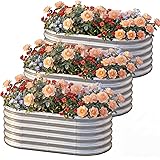



AHEONLAR 3 Pack 4×2×1.5ft Galvanized Raised Garden Beds Outdoor, Sturdy Planter Boxes for Vegetables, Fruits, Flowers and Plants, Easy Assembly, Silver
$89.99 (as of 08:32 GMT -05:00 - More infoProduct prices and availability are accurate as of the date/time indicated and are subject to change. Any price and availability information displayed on [relevant Amazon Site(s), as applicable] at the time of purchase will apply to the purchase of this product.)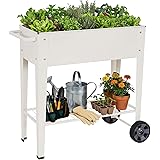


BIRDSINYARD Elevated 32" Tall Raised Garden Bed with Legs and Wheels for Mobility, Metal Planter Boxes Outdoor with Shelf, Raised Bed for Gardening Vegetables/Herbs, Backyard, Patio, Balcony, White
$54.99 (as of 09:45 GMT -05:00 - More infoProduct prices and availability are accurate as of the date/time indicated and are subject to change. Any price and availability information displayed on [relevant Amazon Site(s), as applicable] at the time of purchase will apply to the purchase of this product.)Struggling with Your Compost? Here’s Why Your Compost Pile Is Not Breaking Down and How to Fix It!
Composting is an incredible way to reduce waste while enriching your garden, but what happens when your compost isn’t cooperating? If you’re wondering why your compost pile is not breaking down, you’re not alone. Many gardeners face this frustrating issue, often without a clear understanding of the underlying causes. In this article, we’ll explore Why your compost pile is not breaking down and provide practical solutions to get it back on track.
Understanding the reasons behind compost breakdown is essential for effective composting. When you grasp why your compost pile is not breaking down, you can take targeted actions to improve the situation. Whether you’re dealing with excess moisture, inadequate aeration, or an unbalanced carbon-to-nitrogen ratio, we’ll cover the most common pitfalls and how to rectify them.
Understanding Composting Basics
Before diving into the challenges, it’s crucial to understand how composting works. Composting is a natural process that transforms organic materials into nutrient-rich soil. This transformation relies on a delicate balance of materials, moisture, and aeration.
Key Components of a Successful Compost Pile
1. Green Materials: These are nitrogen-rich items like vegetable scraps, grass clippings, and coffee grounds.
2. Brown Materials: Carbon-rich elements include dried leaves, cardboard, and straw.
3. Moisture: A damp environment helps microbes thrive.
4. Aeration: Regular turning of the compost pile introduces oxygen, which is vital for microbial activity.
Understanding these components sets the foundation for troubleshooting Why your compost pile is not breaking down.
Common Reasons Why Your Compost Pile Is Not Breaking Down
If you’ve noticed that your compost pile is stagnant, here are some of the most common reasons:
1. Lack of Nitrogen
Nitrogen is essential for microbial growth. If your compost lacks sufficient green materials, it can slow down the decomposition process significantly. A good ratio is about 30 parts carbon to 1 part nitrogen.
2. Excess Moisture
While moisture is necessary, too much can lead to anaerobic conditions, resulting in a foul smell and a slimy texture. Aim for a moist but not soggy consistency.
3. Poor Aeration
A compacted compost pile restricts airflow, which is crucial for aerobic bacteria. Turning your compost pile regularly can combat this issue.
4. Wrong Materials
Certain items like meat, dairy, and oily foods can attract pests and slow down decomposition. Stick to plant-based materials for best results.
How to Fix Your Compost Pile
Now that we understand why your compost pile is not breaking down, let’s explore how to rectify these issues.
1. Adjust the Carbon to Nitrogen Ratio
To fix nitrogen deficiency, add more green materials. Here’s how to do it effectively:
– Collect kitchen scraps like vegetable peels and leftover greens.
– Incorporate grass clippings when mowing.
– Use manure from herbivores such as cows or horses.
2. Manage Moisture Levels
If your compost is too wet, add brown materials like dried leaves or shredded cardboard. This will help absorb excess moisture. A good rule of thumb is to keep the compost as moist as a wrung-out sponge.
3. Aerate Your Pile
Turning your compost pile every few weeks will introduce oxygen and promote aerobic decomposition. Use a pitchfork or compost aerator tool to mix the materials thoroughly.
4. Use Appropriate Materials
Ensure you’re only adding suitable items to your compost. Avoid meats, fats, and any non-biodegradable materials. Focus on plant-based scraps, yard waste, and paper products.
References and Resources
These resources provide valuable information about why your compost pile is not breaking down. Check them out for additional insights:
Authoritative Sources on Why Your Compost Pile Is Not Breaking Down
-
Composting at Home
EPA.govA comprehensive guide to composting techniques and troubleshooting.
-
Composting Basics
University of Minnesota ExtensionDetails on composting principles, benefits, and common mistakes.
-
Composting in the Home Garden
LSU.eduOffers practical tips to enhance composting success.
-
Natural Resource Conservation Service
USDA.govResources for sustainable composting practices.
-
Oregon Composting Guide
Oregon.govA detailed guide on composting methods and troubleshooting.
-
Trees Forever: Composting Resources
TreesForever.orgInformation on composting and its benefits for trees and gardens.
Get a free subscription to PREPARE – with more gardening and homesteading tips!
-
Planet Natural: Composting Guide
PlanetNatural.comGuidance on creating and maintaining a successful compost pile.
-
Permaculture: Composting Techniques
Permaculture.co.ukExplores various composting methods and troubleshooting tips.
Frequently Asked Questions
What should I do if my compost pile has a bad smell?
A bad smell usually indicates anaerobic conditions. To improve this, turn your compost pile to introduce oxygen and add brown materials to balance moisture and carbon content.
Why is my compost pile not breaking down even after adding green materials?
Even if you add green materials, other factors like excess moisture or poor aeration can hinder breakdown. Check if your compost is too wet or compacted and adjust accordingly.
How can I speed up the composting process?
To accelerate composting, ensure a balanced mix of green and brown materials, maintain proper moisture levels, and aerate your pile regularly. Using a compost accelerator can also help.
What are some signs that my compost pile is healthy?
A healthy compost pile will have a rich, earthy smell, a dark color, and a crumbly texture. It should also heat up during the initial stages of decomposition, indicating active microbial activity.
Conclusion
Understanding why your compost pile is not breaking down is the first step toward creating a thriving compost system. By addressing issues like moisture levels, aeration, and material balance, you can transform your compost into a nutrient powerhouse for your garden. Remember, successful composting is a journey that requires patience and attention. With the right knowledge and practices, you can ensure your compost pile thrives, enriching your garden for years to come. Take action today and watch your compost evolve into a valuable resource!