
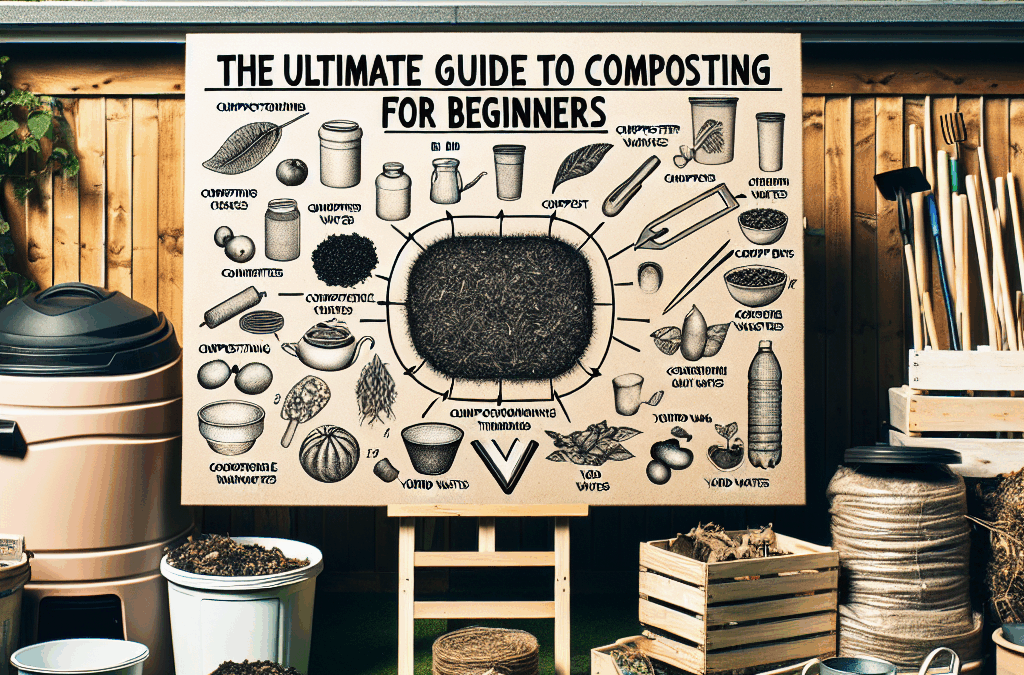
To effectively manage your compost, it’s crucial to monitor moisture levels, as too little or too much water can hinder the microbial activity necessary for breakdown. Additionally, aeration is vital; without proper airflow, anaerobic bacteria can dominate, leading to unpleasant odors and a slower decomposition process. In summary, achieving the right balance between green and brown materials is essential to provide the necessary nutrients for microorganisms.
Many composters overlook the importance of turning the pile regularly. This action not only aerates the compost but also redistributes moisture and heat, which are key to accelerating decomposition. If your compost pile is not breaking down as expected, consider these factors and make adjustments accordingly.
Understanding Composting Basics
Composting is the natural process of recycling organic matter, such as leaves, food scraps, and yard waste, into a rich soil amendment known as compost. For effective composting, it’s essential to understand the roles of various materials and environmental conditions. The primary components of compost are carbon-rich browns (like dry leaves and straw) and nitrogen-rich greens (such as food scraps and grass clippings). The ideal ratio is roughly 30 parts carbon to 1 part nitrogen.
In addition to the right materials, temperature and moisture levels are crucial for microbial activity. A well-maintained compost pile can reach temperatures of 130°F to 160°F, which helps kill pathogens and weed seeds. Regularly monitoring these conditions ensures that the composting process remains efficient.
Many beginners underestimate the complexity of composting. Factors like particle size, moisture distribution, and temperature fluctuations can all impact the breakdown speed. Understanding these fundamentals can help you create a thriving compost system.
Common Mistakes in Composting
Many gardeners make critical mistakes that hinder their composting efforts. One of the most common errors is failing to achieve the correct balance between green and brown materials. Too many greens can lead to a smelly, soggy pile, while too many browns can result in a dry, slow-to-decompose mixture.
Another frequent mistake is neglecting aeration. Compost needs oxygen to support aerobic bacteria, which are responsible for efficient decomposition. Without turning the pile regularly, it can become compacted and anaerobic, producing foul odors and slowing down the process.
Overlooking moisture levels is also a common issue. A compost pile should feel like a damp sponge—not too dry and not overly wet. If you notice that your pile is not breaking down, evaluate these mistakes and take corrective actions.
How to Optimize Your Compost Pile
To optimize your compost pile, start by ensuring a balanced mix of materials. Aim for a ratio of 3:1 browns to greens, and regularly add water to maintain moisture levels. If your pile is too dry, sprinkle water as you turn it; if it’s too wet, add more browns to absorb excess moisture.
Regularly turning your compost pile is essential for aeration and promoting heat distribution. Aim to turn the pile every few weeks, especially in the initial stages of composting when microbial activity is at its peak. This not only speeds up decomposition but also helps eliminate odors.
Another effective method for optimizing compost is to monitor temperature. Using a compost thermometer can help you track internal temperatures, ensuring that you maintain the heat necessary for decomposition. If the temperature drops below 130°F, consider turning the pile to reintroduce oxygen.
Further Reading
Authoritative Sources
- Composting at Home
epa.govThis resource provides comprehensive guidelines for effective composting techniques and troubleshooting common issues
- University of Nebraska-Lincoln Composting Guide
unl.eduOffers detailed insights into composting processes and best practices for home composters
- USDA Natural Resources Conservation Service
nrcs.usda.govThis site features resources on sustainable waste management, including composting methods
Frequently Asked Questions
What should I do if my compost pile smells?
Strong odors often indicate an imbalance of materials. Ensure a proper mix of greens and browns, and turn the pile for better aeration.
How often should I turn my compost pile?
Turning your compost pile every 2-4 weeks is recommended, especially in the active composting phase, to promote aeration and heat distribution.
Can I compost meat and dairy products?
It’s generally not recommended to compost meat and dairy due to the risk of attracting pests and creating odors. Stick to plant-based materials for best results.
What is the ideal temperature for composting?
The ideal temperature range for active composting is between 130°F and 160°F. This range promotes microbial activity while killing pathogens.
How long does it take for compost to be ready?
Compost can take anywhere from 2 months to over a year to mature, depending on factors like material type, moisture, and temperature.
Conclusion
To wrap up, if your compost pile is not breaking down, it’s essential to evaluate moisture levels, aeration, and the balance of materials. Regularly turning the pile and monitoring conditions can significantly enhance decomposition. By addressing common mistakes and making the necessary adjustments, you can create a thriving compost system that enriches your garden soil.


