Posted on Dec 28, 2008 under garden |
Rock gardens really offer some of the most spectacular garden vistas. Along with extensive usage of rocks and stones the plants native to the rocky or alpine environments are featured in the rock gardens or rockeries. Usually nowadays the rock gardens are designed by homeowners as a measure to make advantageous use of the rocky tract lying in their yards.
Creating a rock garden and looking after its upkeep can be a good hobby. The retired persons can especially take this up as a pastime and spend many a leisurely moment in the rock garden.
Origin of rock garden concept and aspects of rock gardens
Originally it were the travelers to the Swiss Alps who got impressed by the flora that grew among the snowy heights and rocky terrain out there and introduced the exotic flora and feel in their homelands. The rock gardens can come in various shapes and sizes. They may be small and simply done as also vast and elaborately set up. Every rock garden can be set up in a unique way. While simple rock gardens may include only flowers, foliage and rocks the exotic ones can also be made having ponds and waterfalls in them. Your landscape can indeed be wonderfully transformed by making use of a worthy rock garden idea.
The rock garden is usually observed as a pile of rocks of different sizes that are aesthetically arranged with small gaps being introduced in between them for planting of flora. Bonsai may also be incorporated suitably in rock gardens. Rock gardens can also be styled in the Japanese rock garden way. In such case the rock gardens are also referred to as Zen garden. These are special rock gardens with hardly any plants. Rocks and affine, light colored gravel are what make up such Zen gardens.
Going about with setting up of rock garden
While proceeding with setting up of rock garden the rock that is available in the locality is primarily considered for building up the garden. This also gives a natural look to the garden. Often there are a number of rock types to choose from. Any native rock that helps create a natural look should be selected. After placement of the rocks they ought to be allowed to settle down for a few weeks for judging their stability and effect on soil conditions.
While selecting the flora type for rock gardens, though there are no rules or conventions as such, choices of plants need to be made judiciously. Plants that will be able to withstand and thrive in the climatic condition of the garden should be the ones that are to be naturally selected. Personal favorites among such plants can be opted for of course keeping with your ideas of a rock garden setting.
Using of the right kind of soil - rich, light in texture, and well drained to avoid water stagnation - is much needed in the rock garden. Usage of strong fertilizers should be avoided and natural soil enriching material should be preferably used. Watering is also a very important thing to take care of. Using a watering can for watering purpose is the best way out. Alongside, care must be taken to ensure that the garden is not overshadowed by large trees. The garden must get exposed to the sun, wind and other natural elements.
Posted on Dec 27, 2008 under garden |
Garden grown vegetables are superior to grocery store produce by anyone’s standard, both in freshness and flavor. You can go out to the garden and pick your vegetables just before mealtime, at the peak of ripeness. You’ll save money and your family and lucky neighbors will love the results. Here’s a quick primer on the basics of planning a vegetable garden. If you’ve never grown your own vegetables, give it a try!
Start small. It’s easy to let your enthusiasm run wild, wanting to plant all of your favorites. The problem arises when you find yourself overwhelmed by the time required to maintain a large garden. Get one growing season under your belt to get a good idea of the tasks involved and the time you need to nurture your babies. A good size for the first-timer is about 4′ x 8′. A patio or balcony garden is easily managed, even when filled to capacity.
When planning a vegetable garden, your first decisions are location, layout and type of bed. Most vegetables require a southern exposure with at least eight hours of sunlight, so plan accordingly. Raised beds are easy to work and drain well. Lining the bottom of the frame with wire mesh provides protection from burrowing critters. You have a little more initial expense in constructing the frame and filling the bed, but in the long run, you’ll have less work and better results. If you choose to dig the ground directly, double-digging to a depth of 24 inches is recommended for the most friable soil and best drainage. If you’re growing in pots, use oak half-barrels or similar sized containers. Consult your nursery worker for veggie varieties that grow well in pots.
Prepare your soil thoroughly. You should be able to gently squeeze a big handful and have it just barely hold its form, then easily crumble as you sift it through your hands. Get a soil test kit and make any adjustments to correct for too acid or alkaline soil.
Planning a vegetable garden for maximum yield includes considering interplanting, a technique that allows you to grow two crops in sequence in the same space. For example, carrots and radishes may be planted with a row of lettuce. The carrots and radishes will be ready by the time the lettuce fills out the space.
Knowledge of companion planting is also useful when planning a vegetable garden. Some vegetables grow more vigorously when planted with another particular plant. For example, tomatoes and basil are good companions, producing better tomatoes, tastier basil and provide natural protection from pests. You also want to know what not to plant in proximity. Gladiolas shouldn’t be planted anywhere near tomatoes! Your tomatoes will not thrive!
Planning a vegetable garden is almost as much fun as growing and harvesting the delectable fruits. Start small, do your research, apply TLC generously and watch your garden grow!
Posted on Dec 26, 2008 under garden |
A small strip of green in your backyard completes the charm of your sweet home. What can parallel the experience of a relaxed weekend amidst the chattering of the birds in the greenery right in your backyard or retiring in the lap of nature at the end of every tiring day! Your tryst with nature will become even more enjoyable if your garden—even if it is small one—is neatly manicured and artistically landscaped. When it comes to landscaping the garden, many people are led by the misconception that you need an expert help to give your garden the desired shape and look. But in reality, it is possible to design your own garden according to your taste. In fact, landscaping can be all fun and easy if you are armed with proper information.
What is garden landscaping?
Landscaping is often described as a pursuit of art, backed up by the scientific knowledge. The aesthetic sense in you makes the garden alluring, while the scientific knowledge serves the practical purposes. Thus in order to get started in your landscaping endeavor, polish up your finer senses of aesthetics and try to acquire information about basic landscaping designs.
According to the basic grammar of landscape designing, there are major five elements of landscape designing. They are:
- Color
- Texture
- Scale
- Line
- Form
Color: The color is added by the selection of flowers and particular shrubs and plants. The color schemes most commonly used in landscape designing are: monochromatic, analogous and complementary. While the monochromatic color scheme consists of different shades of one color, analogous color schemes are based on the colors which stay side-by-side on the color wheel. Complementary color schemes on the other hand comprise the hues that stay directly opposite each other in the color wheel.
Line: You can create the landscape in a line that is either straight or curved. While straight line has certain force of itself, curved lines appeared to be gentle to the eyes of the beholder and they create an illusion of movement.
Form: Lines are closely associated with that of the form. The form depends on the type of the plantations and their growth habit. Form relates to the aspects of size or area of the garden.
Texture: This factor is not influenced by the plants alone; there are many other objects in the garden like bridge, path etc that add to the roughness or smoothness of the landscape.
Scale: This refers to the size or dimension of any object in terms of the total area of the garden. Good landscaping depends on the sense of the scale and symmetry.
These were the basic elements of landscape design. Add your imagination and creativity to these basic elements to create your private retreat of peace and tranquility.
Posted on Dec 24, 2008 under garden |
The first thing that greets you as you step into a Japanese garden is the calmness and serenity of the place. The Japanese gardens reflect men’s efforts at harmonizing the beauty and force of the nature in an effortless fashion. With the essential presence of water body, thin streams, short bridges or artificial hillocks created with gravels and rocks; in the final shape the Japanese gardens become resonant with the mellow notes of spirituality and tranquility.
You can find three basic styles when it comes to Japanese gardens:
- Hill and Pond (Chisen-Kaiyu-skiki)
- Flat Garden (Hiraniwa)
- Tea Gardens (Rojiniwa)
The basic rules are more or less same, while the particular features are incorporated in lieu with the specific type of the garden.
In the Japanese gardens you will come to find a rare bonding with nature. Despite the use of many artificial structural elements like bridges or water bodies or artificially created hills, Japanese gardens are created to reflect the nature in her most unadulterated form. Thus “harmonious asymmetry” becomes the rule for Japanese gardeners and simplicity becomes the inspiration behind their work. If you are going to recreate the Japanese magic in your garden, then follow the thumb rules described below.
The illusion of time and space
To the eyes accustomed to European style of gardening, where the perfectly manicured plants vie for your attention in every possible nook and corners of the garden, Japanese gardens may seem to offer an illusion of emptiness at a first glance. There are so many things, yet the garden looks so vast and spacious—this trick of space management is the first lesson with regard to the Japanese style of gardening.
Selection of plants
The Japanese gardens try to reflect the permanence of nature. That is why it is the evergreen trees that become the dominating feature of Japanese gardens. The plants in the Japanese gardens represent the seasonal cycles. Because of this selection, the Japanese gardens are not discarded during the winters. The essence of the four seasons can nowhere be better felt than in the changing appearance of Japanese garden through the year.
Bringing the balance
In an ode to nature, the Japanese gardens strive to represent the nature in a miniscule, but in its closest form. As for example, in a Japanese garden, you can not accommodate a pond that is a perfect square in shape. Because nature never produced s such a geometrical wonders. Similarly, in your pursuit of imitating nature, you have also to incorporate the spirit of balance. As for example to create a mountain in your small garden, you can make use of the small rocks, but not the huge ones.
Fencing
Creating the right enclosure has great symbolic value. The fencing is created with the aim of locking up the serenity inside the garden uninterrupted by the goings on in the outside world. Sometimes, small windows are created on the solid walls to lure the passer by with the beauty that lies inside the garden enclosure.
Ornamentation with the lanterns
No Japanese garden is ever complete with stone lanterns in variety of designs and styles. There are three main varieties of lanterns that are used in the Japanese gardens: the Kasuga style lantern, the Oribe style lanterns and the Yukimi or Snow-Viewing lantern.
In short, Japanese gardens are the reflection of natural balance between change and constancy. A little introduction to Zen philosophy can prepare you for the better perception about the Japanese style of gardening.
Posted on Dec 15, 2008 under garden |
Just imagine your pasta and pizza without the finishing touch of oregano or the delicious mince dumplings without the pinch of sage! The outcome is sure to be bland and boring. This is what the herbs do for you’re your culinary skills - they uplift the taste and flavor of any dish. In addition to that they make the dish look colorful and inviting. Thus the defining character of any dish is the work of appropriate herbs. While you can buy them in the local grocery stores, it is always better to home grow them in your backyard; the addition of garden fresh herbs will definitely make your cooking and dining experience even more enjoyable.
Plant type
Before getting started in the task of herb gardening, you must learn about the different types of herbs. The herbal plants are of three types:
Annual—the herbs like basil, chamomile, dill, chives, lavender, lemon, mint, oregano rosemary, sage, tarragon or thyme are planted each spring and live for only one season.
Perennial—the herbs like catnip, balm, lovage, marjoram or thyme live for many years. Although they shake off the leaves during winter, their roots remain alive and in the turn of spring they bloom into new foliage.
Biennial—The plant like Parsley grow for two years. The first season is for growing foliage, next the seeds are formed. After that they die at the end of the second season.
Choice of the location
For herb gardening the question as to where to plant is very critical. Not all the herbs have same light or temperature requirement. While most of the herbs need exposure to the sunlight for at least 6 hours per day, the herbs likes chives, cilantro, dill, and mint are grown in the shade.
Soil type
Make sure of the soil requirement of a particular herb before planting one. In general an extra rich and over fertilized soil is not suitable for planting good quality herbs. Over fertilization kills the flavor of the herb by reducing the essential oil content of the herbs. The herbs do better in the moderately rich soil. In addition to that, your herb garden must have excellent drainage quality, so that soil does not contain extra water. Growing herbs in raised beds or containers is also a good idea.
Daily care of your herb garden
Just like with vegetables, other herbs require about an inch of water per week. However, those planted in containers tend to dry out more quickly and hence need more frequent watering. To get a better grip, with the soil keep garden beds weeded.
One interesting thing about herb plants is: they have inherent power to resist pests and disease attacks. This is due the aromatic natural oil, they are bestowed with; the aroma repel pests and insects naturally. Still, herbs are susceptible to the attack of insects like aphids, and diseases such as powdery mildew.
Keep these information in mind when you are going to start your herb garden for the first time; your care for your herb garden will result into great pleasure everyday all through the year.
Posted on Oct 26, 2008 under gardening |
Peak Moment 87: In summer 2006 Judy Alexander embarked on an experiment to see how much food she could grow, and how many neighbors could benefit, from the garden around her house. Check out her homegrown rainwater collection and irrigation system - watering her 60+ edible crops. Meet the bees, the chickens and the worms. And catch her joy in producing so much food for so little effort.
Duration : 0:27:52
Read the rest of this entry »
Posted on Oct 23, 2008 under flower gardening, garden, gardening, vegetable gardening |
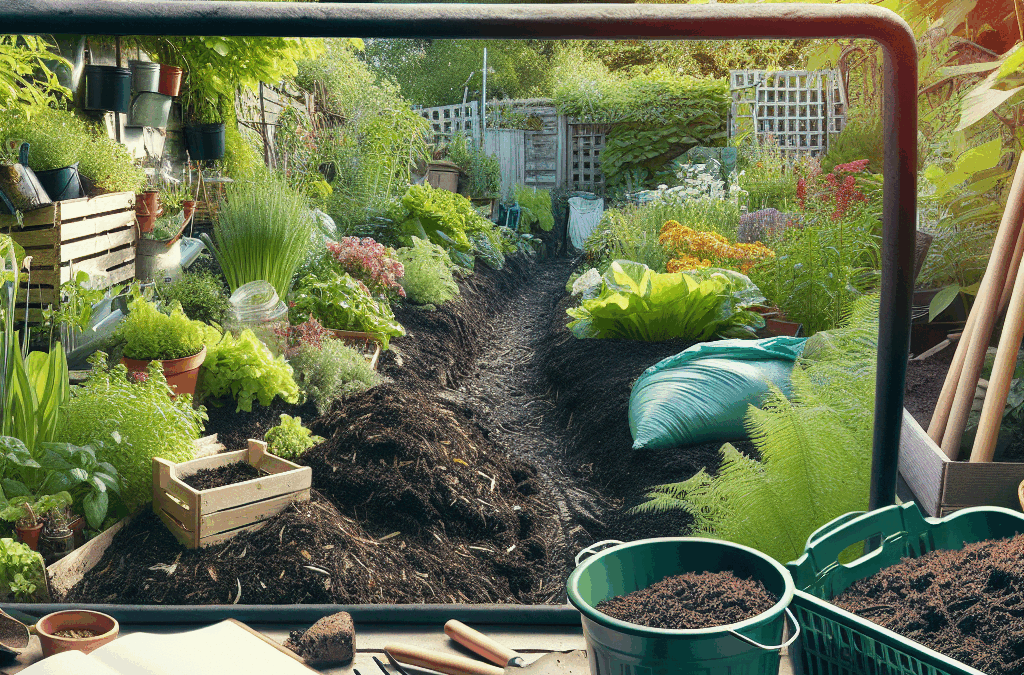
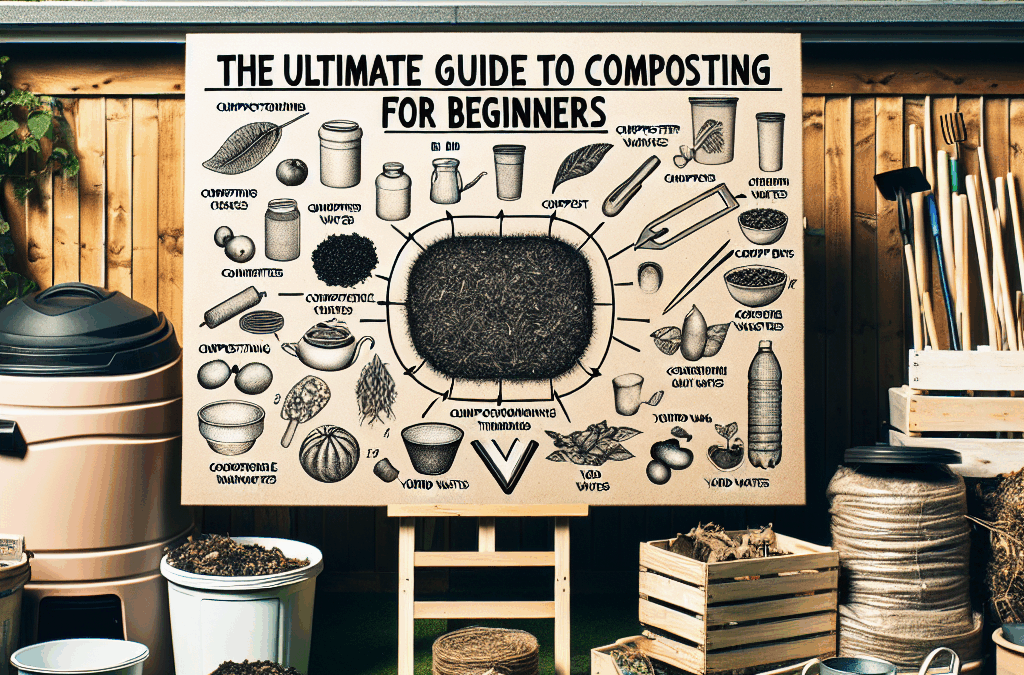
It’s Fall again, so it’s time to think about what we will do with our leaves. If you are serious about your gardening, you should certainly consider composting your leaves.
Composting leaves is very valuable in managing your compost plan. It often happens that leaves are left scattered all over a yard even while a compost pile sits nearby, sorely needing the absorption, the carbon, and other nutrients that leaves can provide. Following are some of the benefits of composting leaves.
1. Odor control
Dry leaves are a great means of suppressing the smell that may, otherwise, emanate from a compost heap. After you add fresh kitchen scraps to your pile, it would be a good idea not only to mix them into the heap, but to cover it with dry leaves as well.
2. Vermin control
Leaves, when used to cover a freshly supplemented pile of manure or food scraps, are great for preventing flies from infesting your yard. Pile on a two-inch layer of leaves to throw off the scent of the rats and vermin that may be attracted to your compost heap. Composting leaves may be what separates a neat garden from one ruined by all sorts of pests.
3. Carbon-rich source
Composting leaves can give your pile a rich source of carbon. Carbon, along with nitrogen, oxygen, and water does a lot to hasten the decomposition of a compost heap. When you need more green matter to balance you pile and serve as a much-needed catalyst, leaves provide a ready source for you.
4. Absorptive quality
On the other hand, during wet or humid weather when your compost pile tends to retain too much water, the absorptive quality of dry leaves can do a lot to remedy the situation. While water aids decomposition, too much of it will serve as a retardant as well.
5. Managing yard waste
Many yards in America produce more yard waste than they know what to do with – and most of this consists of fallen leaves. Rather than waiting for curbside pickup to take the problem off your hands, composting leaves can turn the problem into a benefit.
6. Cost-efficiency
There is really no reason to throw away something that you can use to improve the production of, say, your vegetable garden. Composting leaves can even mean substantial savings off your fertilizer budget.
7. Yard aesthetics
One of the most unattractive things about gardens is the overwhelming amount of leaves that covers it in the fall. A few leaves can be picturesque. But when it covers your entire lawn, pond or pool, plant nursery or vegetable garden, it can be a real aesthetic problem. Composting leaves is a great solution for a messy yard.