
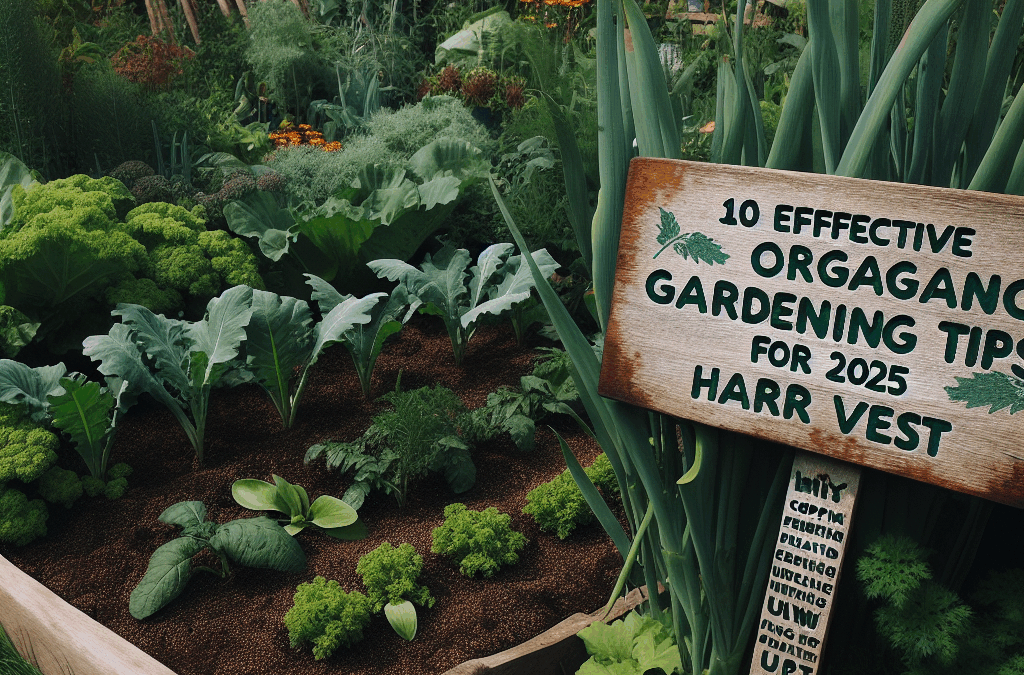
The best plants for a low water landscape garden are drought-resistant varieties like lavender, agave, and yucca. These plants not only require minimal water but also thrive in well-draining soil, making them ideal for sustainable gardening. Incorporating ornamental grasses and native perennials can enhance the garden's aesthetic while supporting local ecosystems. A common mistake is overwatering these plants, which can lead to root rot; instead, focus on deep watering during establishment to promote healthy growth. By selecting the right species, you can create a vibrant garden that conserves water and attracts beneficial wildlife.
Understanding Drought-Resistant Plants
Drought-resistant plants are designed to survive in low-water conditions, making them essential for low water landscape gardens. These plants typically have adaptations such as deep root systems, waxy leaves, or the ability to store water. Understanding their biology helps in selecting the right species for your garden, ensuring they thrive with minimal care. For instance, plants like succulents store moisture in their leaves, while others may have extensive root systems that tap into underground water sources.
Choosing drought-resistant plants not only conserves water but also reduces maintenance needs. Gardeners often make the mistake of overwatering these plants, which can lead to root rot. Instead, focus on planting them in well-draining soil and providing occasional deep watering to establish their roots. This approach promotes a healthier garden ecosystem.
Top Drought-Resistant Plants for Your Garden
When selecting plants for a low water landscape garden, consider incorporating a variety of drought-resistant species. Some excellent choices include:
- Lavender: This fragrant perennial thrives in dry conditions and attracts pollinators.
- Agave: Known for its striking form, agave requires minimal water and provides architectural interest.
- Yucca: With its sword-like leaves and tall flower spikes, yucca is both beautiful and drought-tolerant.
- Ornamental Grasses: Varieties like blue fescue and feather reed grass add texture and movement while conserving water.
- Native Perennials: Selecting plants native to your region ensures they are well-adapted to local climate conditions.
These plants not only survive but also enhance the visual appeal of your garden. A common mistake is neglecting to group plants with similar water needs, which can lead to overwatering some and underwatering others. Strategic placement of your drought-resistant plants can create a harmonious and sustainable landscape.
Designing Your Low Water Landscape
Creating a low water landscape garden involves more than just selecting drought-resistant plants; it also requires thoughtful design. Start by assessing your garden’s sunlight, soil type, and existing plants. This knowledge will guide your plant selection and placement. For instance, grouping plants with similar water needs reduces waste and promotes healthier growth.
Incorporating hardscapes like gravel paths or stone borders can help retain moisture in the soil while adding visual interest. Additionally, using mulch can reduce evaporation and suppress weeds. It’s crucial to avoid common pitfalls such as planting too densely, which can lead to competition for resources. Instead, allow adequate spacing between plants to promote airflow and reduce disease risk.
Frequently Asked Questions
What are the benefits of a low water landscape garden?
A low water landscape garden conserves water, reduces maintenance, and supports local wildlife by providing habitats with native plants.
How often should I water drought-resistant plants?
Water drought-resistant plants deeply but infrequently, allowing the soil to dry out between watering sessions, especially during their establishment phase.
Can I mix drought-resistant plants with traditional plants?
Yes, but be cautious about their water needs. Group plants with similar requirements to avoid over or under-watering.
Are there any disadvantages to low water gardens?
While low water gardens are sustainable, they may require an initial investment in soil amendments and proper planning to ensure diverse plant health.
What soil conditions are best for drought-resistant plants?
Well-draining soil is crucial for drought-resistant plants. Amending soil with organic matter can enhance drainage and nutrient retention.
Conclusion
Implementing a low water landscape garden not only conserves valuable resources but also creates a sustainable and visually appealing environment. Prioritize selecting the right drought-resistant plants, understanding their needs, and designing your landscape thoughtfully. With proper care and planning, your garden can thrive with minimal water, contributing positively to both your home and the ecosystem.


