
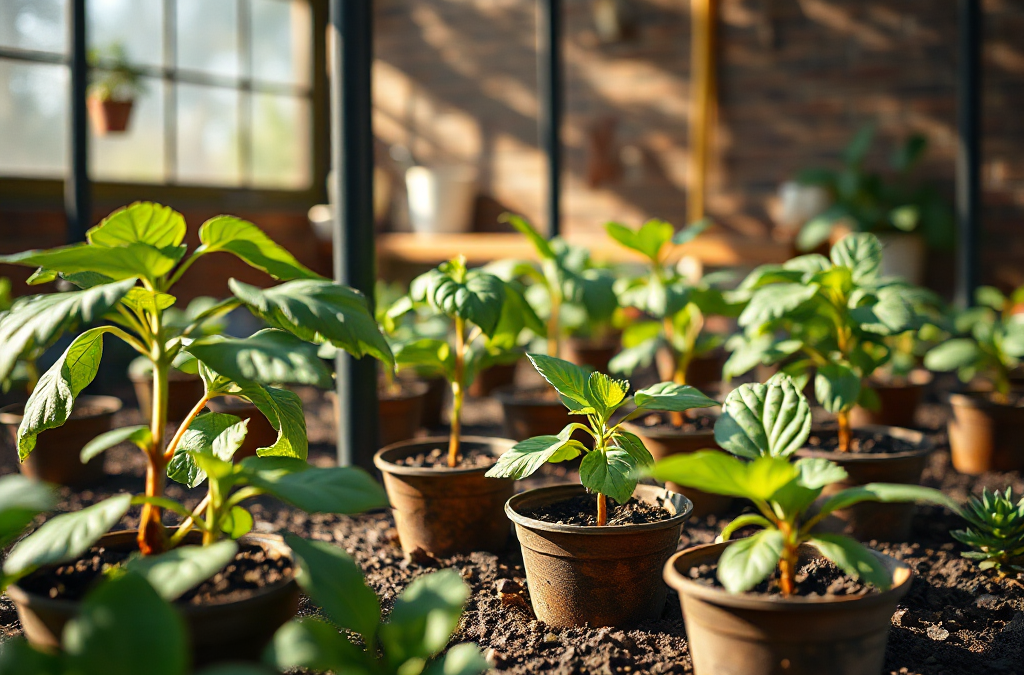
When growing tomatoes, common mistakes include improper watering, neglecting soil health, and failing to manage pests effectively. Overwatering can cause root rot, while insufficient moisture affects fruit quality. It's essential to maintain slightly acidic soil and enrich it with organic matter to prevent nutrient deficiencies. Additionally, implementing crop rotation can help mitigate disease risks and improve soil vitality.
Understanding Soil Health
Soil health is fundamental to successful tomato cultivation. Healthy soil provides essential nutrients, improves drainage, and supports beneficial microorganisms. Neglecting soil health can lead to poor growth and low yields. It’s crucial to conduct a soil test to assess pH and nutrient levels before planting. Tomatoes prefer slightly acidic soil with a pH of 6.0 to 6.8. Amend your soil with organic matter, such as compost or well-rotted manure, to enhance its fertility and structure.
Another common mistake is failing to rotate crops. Planting tomatoes in the same location year after year can lead to soil depletion and increased susceptibility to diseases. Implementing a crop rotation plan helps disrupt pest and disease cycles, improving overall soil health.
Watering Techniques for Tomatoes
Watering practices significantly affect tomato growth and fruit quality. Overwatering is one of the most frequent mistakes made by gardeners, often resulting in root rot and blossom end rot. Tomatoes need consistent moisture, but the soil should dry out slightly between waterings. A general rule of thumb is to provide 1-2 inches of water per week, depending on your climate and soil type.
Using mulch can help retain soil moisture and regulate temperature. Organic mulches, like straw or wood chips, suppress weeds and improve soil quality as they decompose. Consider installing a drip irrigation system to deliver water directly to the roots, minimizing evaporation and ensuring consistent moisture levels.
Pest and Disease Management
Ignoring pest and disease management can lead to significant crop loss. Common pests that affect tomatoes include aphids, whiteflies, and tomato hornworms. Regularly inspect your plants for signs of infestation, such as discolored leaves or webbing. Integrated Pest Management (IPM) strategies, such as encouraging beneficial insects and using organic pesticides, can effectively control pests without harming the environment.
Diseases like blight and wilt can devastate tomato crops. To prevent these issues, practice good sanitation by removing infected plants and debris from the garden. Plant resistant varieties and ensure proper spacing for air circulation to reduce humidity around the plants, which is conducive to disease development.
Choosing the Right Tomato Varieties
Selecting the right tomato varieties is crucial for a successful harvest. Many gardeners mistakenly choose varieties that are not suited for their climate or growing conditions. Research local climate conditions and select varieties that thrive in your area. Indeterminate varieties continue to grow and produce fruit throughout the season, while determinate types produce a single crop and then stop growing.
Another common error is not considering the growth habits of different tomato types. For small spaces, consider dwarf or container varieties that require less space. Always check the days to maturity for each variety to ensure you can harvest before the end of your growing season.
Frequently Asked Questions
What is the best way to water tomato plants?
Water tomato plants deeply and consistently, allowing the top layer of soil to dry out between waterings. Aim for 1-2 inches of water weekly.
How can I improve soil health for my tomatoes?
Improve soil health by adding organic matter, conducting soil tests, and rotating crops to prevent nutrient depletion.
What are the signs of tomato pests?
Signs of tomato pests include discolored leaves, holes in foliage, and visible insects on the plants. Regular inspection is key.
What diseases commonly affect tomatoes?
Common diseases include blight, wilt, and blossom end rot. Good sanitation and resistant varieties can help manage these issues.
How do I choose the right tomato variety for my garden?
Research local climate conditions and select varieties suited for your area, considering growth habits and days to maturity.


