
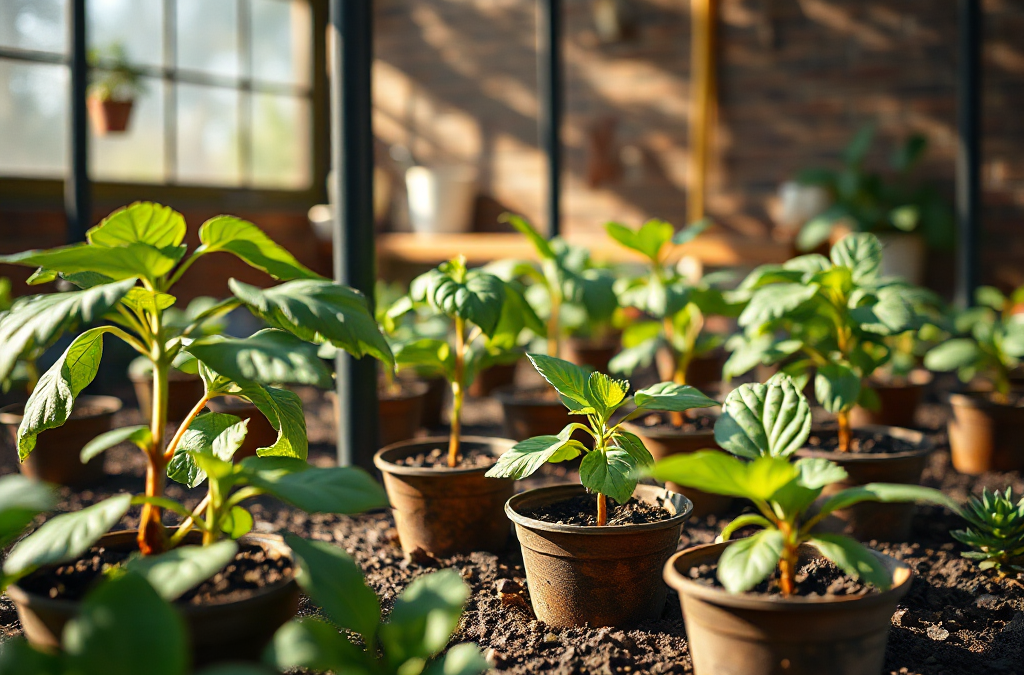
To properly space plants for optimal growth, ensure each plant has sufficient room for its root system and foliage, taking into account its mature size and growth habits. Generally, spacing should adhere to guidelines based on plant type, which can improve air circulation, reduce competition for nutrients, and enhance overall plant health. A common mistake is overcrowding, which can lead to stunted growth and increased susceptibility to pests and diseases.
Understanding Plant Spacing
Plant spacing is a crucial aspect of gardening that directly affects the health and productivity of plants. Proper spacing allows each plant to access adequate sunlight, water, and nutrients, leading to optimal growth. When plants are spaced too closely, they compete for these essential resources, which can stunt their growth and increase the risk of disease. Understanding the needs of different plant species is the first step toward achieving effective spacing.
For instance, leafy greens such as lettuce require closer spacing—typically 6 to 12 inches apart—due to their compact growth habit. In contrast, larger plants like tomatoes or peppers need more room, often requiring 18 to 24 inches between each plant. This variance is essential as it helps prevent overcrowding and ensures that plants can thrive without hindrance.
Factors Influencing Plant Spacing
Several factors influence how plants should be spaced, including their mature size, growth habit, and environmental conditions. The mature size of a plant is often indicated on seed packets or plant tags, providing guidance on the optimal distance between plants. For example, bush varieties of squash may require less space than vining varieties, which can spread out significantly.
Additionally, the growth habit of a plant influences spacing decisions. Plants that grow tall, like sunflowers, may need to be spaced further apart to avoid shading smaller plants. Moreover, environmental conditions such as soil quality, moisture, and sunlight availability can affect how closely plants can be spaced. In well-drained and nutrient-rich soil, plants may be able to thrive closer together compared to poorer soils.
Common Mistakes in Plant Spacing
One of the most common mistakes in gardening is failing to adhere to recommended spacing guidelines. Many novice gardeners tend to plant seeds or seedlings closer together in hopes of maximizing their yield, but this often leads to negative outcomes. Overcrowded plants can suffer from poor air circulation, making them more susceptible to fungal diseases and pest infestations.
Another frequent error is not considering the mature size of the plants. For instance, planting small seedlings too closely together without accounting for their growth can result in stunted plants and reduced yields. Additionally, some gardeners overlook the importance of companion planting, which can affect spacing. Certain plants may thrive when grown together, while others may compete for resources, leading to poor performance.
Practical Techniques for Effective Spacing
To achieve effective plant spacing, gardeners should start by researching the specific requirements of the plants they wish to grow. Utilizing seed packets or reputable gardening resources can provide essential information about the optimal spacing for various species. Once this information is gathered, it can be helpful to create a planting plan that outlines where each type of plant will go in the garden.
Implementing row planting is an effective technique for managing spacing. This method involves planting in straight lines, allowing for easier access to each plant for maintenance and harvesting. Additionally, using a planting grid can help visualize spacing, ensuring that plants are not overcrowded. For example, creating a grid with marked intervals can assist in maintaining consistent distances between each plant.
Lastly, gardeners should regularly monitor plant growth and make adjustments as necessary. If plants are growing too closely, consider thinning them out to improve airflow and resource access. This proactive approach can prevent problems associated with overcrowding and promote healthier plants overall.
Frequently Asked Questions
What happens if plants are spaced too closely?
When plants are spaced too closely, they compete for sunlight, water, and nutrients, leading to stunted growth and higher susceptibility to diseases.
How can I determine the right spacing for my plants?
The right spacing can typically be found on seed packets or plant tags, which provide guidelines based on the plant's mature size and growth habit.
Is there a general rule for spacing vegetables?
A general rule is to space smaller crops like lettuce 6-12 inches apart, while larger crops like tomatoes should be spaced 18-24 inches apart.
Can companion planting affect spacing?
Yes, companion planting can influence spacing. Certain plants may thrive when planted together, while others may compete for resources, affecting their growth.
How often should I thin my plants?
Thinning should be done as needed, typically when plants are 2-4 inches tall, to ensure adequate space for healthy growth and airflow.
Conclusion
Properly spacing plants is essential for achieving optimal growth and maximizing your garden’s productivity. By understanding the needs of different plant species and considering factors such as mature size and growth habits, you can avoid common pitfalls associated with overcrowding. Implementing effective techniques like row planting and monitoring plant growth will help ensure that each plant has the resources it needs to thrive. As you cultivate your garden, remember that thoughtful spacing is key to nurturing healthy and productive plants.


