
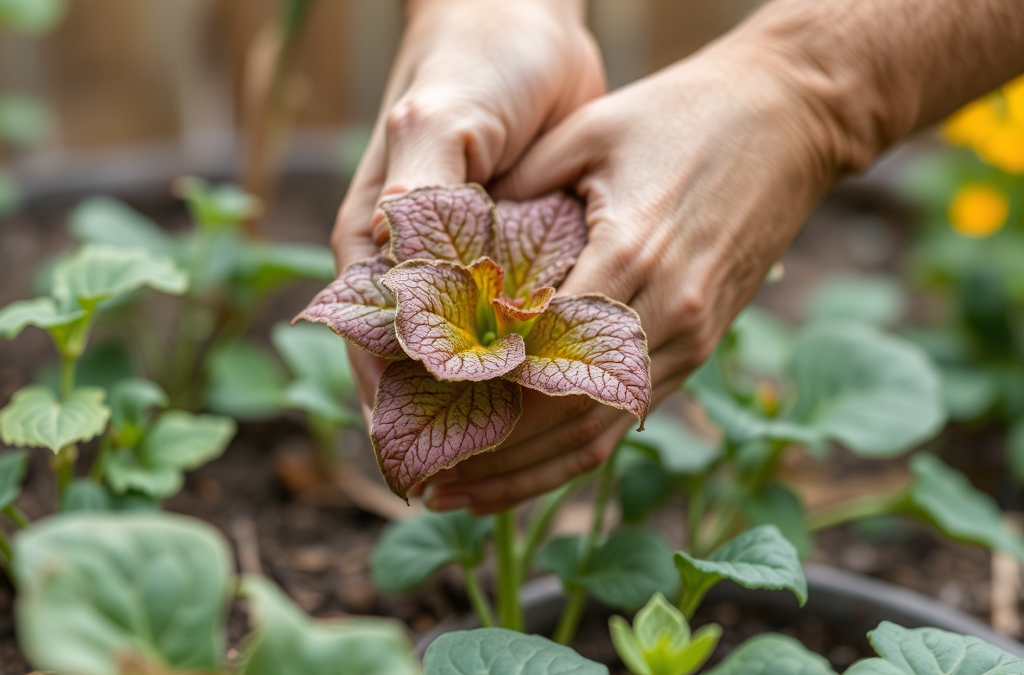
If your garden is too wet, the first step is to improve drainage by adding organic matter and creating raised beds. Excess moisture can lead to root rot and other diseases, so aeration is crucial. Avoid walking on wet soil to prevent compaction and consider using a drainage system to redirect water. Monitoring weather conditions helps in planning your gardening activities effectively.
Understanding Soil Drainage and Its Importance
Soil drainage is vital for the health of your garden. When the soil retains too much water, it can suffocate plant roots, leading to issues like root rot and stunted growth. Understanding how water moves through your soil can help you take effective action. Soil texture, composition, and structure all play roles in drainage. Sandy soils drain quickly, while clay soils hold moisture. Knowing your soil type is the first step in addressing drainage issues.
Improper drainage can also lead to nutrient leaching, as excess water washes away essential minerals. This not only affects plant growth but can also have long-term implications for soil health. Regularly assessing your soil’s drainage capability helps in making informed decisions about necessary interventions.
Practical Solutions for Excess Water
The immediate response to a waterlogged garden should focus on improving drainage. One effective method is to amend the soil with organic matter, such as compost or well-rotted manure. This enhances soil structure, allowing it to absorb and retain moisture more efficiently. What to do if your garden is too wet can often be resolved by implementing raised beds, which elevate plant roots above saturated ground, providing better drainage.
Another solution is to create a drainage system. This can involve installing French drains, which are trenches filled with gravel that help redirect excess water away from the garden. Additionally, using perforated pipes can facilitate water movement through the soil, preventing pooling.
It’s also crucial to avoid walking on wet soil, as this can compact the soil and worsen drainage problems. Instead, use stepping stones or paths to navigate your garden without disturbing the soil structure.
Preventing Future Waterlogged Conditions
To prevent future occurrences of a waterlogged garden, consider implementing a few proactive measures. First, assess the grading of your garden. Ensure that the landscape slopes away from planting areas, allowing water to flow away rather than pooling. Regularly aerating the soil can also help improve drainage by creating channels for water to escape.
Planting cover crops during the off-season can enhance soil structure and prevent erosion, which can contribute to drainage issues. These crops absorb excess moisture and improve soil health, making it less prone to waterlogging.
Additionally, implementing rain gardens or bioswales can help manage excess runoff effectively. These features are designed to capture and filter stormwater, allowing it to percolate slowly into the ground.
Choosing the Right Plants for Wet Conditions
If your garden tends to be consistently wet, selecting the right plants is essential. Native wetland plants such as sedges, rushes, and certain types of irises thrive in soggy conditions and can help absorb excess moisture. Additionally, these plants often require less maintenance and provide habitat for wildlife.
Incorporating plants that have adapted to wet conditions can also enhance the aesthetics of your garden while addressing drainage issues. These plants often have deep root systems that help stabilize the soil and improve its structure over time.
Consider grouping these plants together in designated wet areas of your garden, which can create a natural landscape while managing moisture levels effectively. This strategic planting not only beautifies your space but also contributes to a healthier garden ecosystem.
Frequently Asked Questions
What are the signs that my garden is too wet?
Signs include water pooling, wilting plants, and a sour smell from the soil, indicating anaerobic conditions.
How can I improve drainage in my garden?
Add organic matter, create raised beds, and install drainage systems like French drains to enhance water movement.
What types of plants thrive in wet conditions?
Plants such as sedges, rushes, and certain irises are well-suited for wet areas and can help manage excess moisture.
Should I walk on wet soil?
No, walking on wet soil can compact it, worsening drainage issues and harming plant roots.
How often should I aerate my garden?
Aerate your garden at least once a year, preferably in spring or fall, to maintain good soil structure and drainage.
Conclusion
Managing a waterlogged garden requires understanding soil drainage and taking proactive measures. By improving drainage through organic amendments and strategic planting, you can create a healthier environment for your plants. Regular maintenance, such as aeration and proper grading, will help prevent future issues. Prioritizing the right plant selections will contribute to a thriving garden ecosystem that can withstand excess moisture.


