
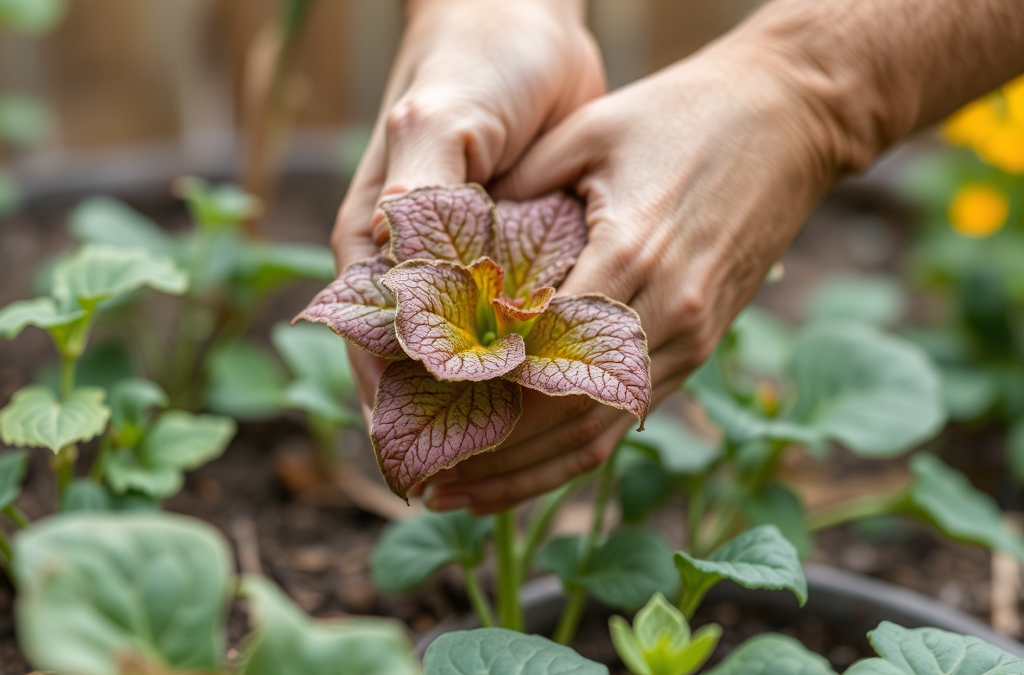
To effectively deal with common garden diseases, start by identifying the specific disease affecting your plants, as early detection is crucial for successful management. Use cultural practices such as crop rotation and proper spacing to prevent disease spread. Additionally, apply appropriate fungicides or organic treatments, and ensure your plants have the right nutrients and environmental conditions to strengthen their resilience against infections.
Identifying Common Garden Diseases
Identifying common garden diseases is the first step in effectively managing them. Symptoms such as yellowing leaves, wilting, or unusual spots can indicate various issues, including fungal infections, bacterial problems, or viral infections. For example, powdery mildew often appears as a white powdery substance on leaves, while root rot may cause plants to wilt despite adequate watering. Observing these symptoms early allows gardeners to take necessary actions before the diseases spread.
Common diseases include:
- Powdery Mildew: A fungal disease that thrives in dry conditions, characterized by white, powdery spots on leaves.
- Blight: A quick-spreading disease that can impact various plants, often leading to sudden wilting and browning of leaves.
- Rust: This fungal infection appears as orange or reddish spots on the undersides of leaves, leading to leaf drop.
Understanding these diseases and their specific symptoms helps gardeners respond appropriately, reducing the risk of widespread infection.
Preventative Measures for Disease Management
Preventative measures are essential for managing garden diseases before they become problematic. Proper cultural practices play a critical role in minimizing disease risks. For instance, rotating crops annually helps prevent soil-borne diseases from establishing. Additionally, ensuring adequate spacing between plants improves air circulation, which reduces humidity and the likelihood of fungal infections.
Other effective strategies include:
- Using Disease-Resistant Varieties: Opt for plant varieties that are bred for resistance to specific diseases.
- Sanitation: Regularly clean garden tools and remove any diseased plant debris from the garden to prevent the spread of pathogens.
- Soil Health: Maintain healthy soil through organic amendments, which can enhance plant vigor and disease resistance.
Implementing these preventative strategies can significantly reduce the incidence of diseases in the garden.
Treatment Options for Infected Plants
When plants become infected, timely treatment is crucial to minimize damage and prevent further spread. The treatment approach will depend on the specific disease identified. For instance, fungicides can be effective against fungal infections, while bacterial diseases may require different management approaches, such as copper-based products.
Common treatment options include:
- Fungicides: Apply fungicides at the first sign of fungal diseases; ensure you follow the manufacturer’s instructions for effectiveness.
- Organic Treatments: Consider using neem oil or baking soda solutions as organic alternatives for fungal control.
- Pruning: Remove and dispose of heavily infected plant parts to reduce the overall disease load in the garden.
Regular monitoring after treatment is essential to ensure that the disease does not return or spread to other plants.
Maintaining Plant Health to Minimize Diseases
Maintaining overall plant health is one of the most effective ways to minimize the impact of garden diseases. Healthy plants are more resilient and better equipped to fend off diseases. Proper watering practices, such as avoiding overhead watering and ensuring soil drains well, are vital to prevent conditions that foster disease development.
Additionally, providing adequate nutrients through balanced fertilization can enhance plant health. Regularly checking for signs of stress and addressing issues promptly can also prevent diseases from taking hold. Recognizing that environmental factors, such as temperature and humidity, can influence disease development will aid in maintaining a healthy garden.


