
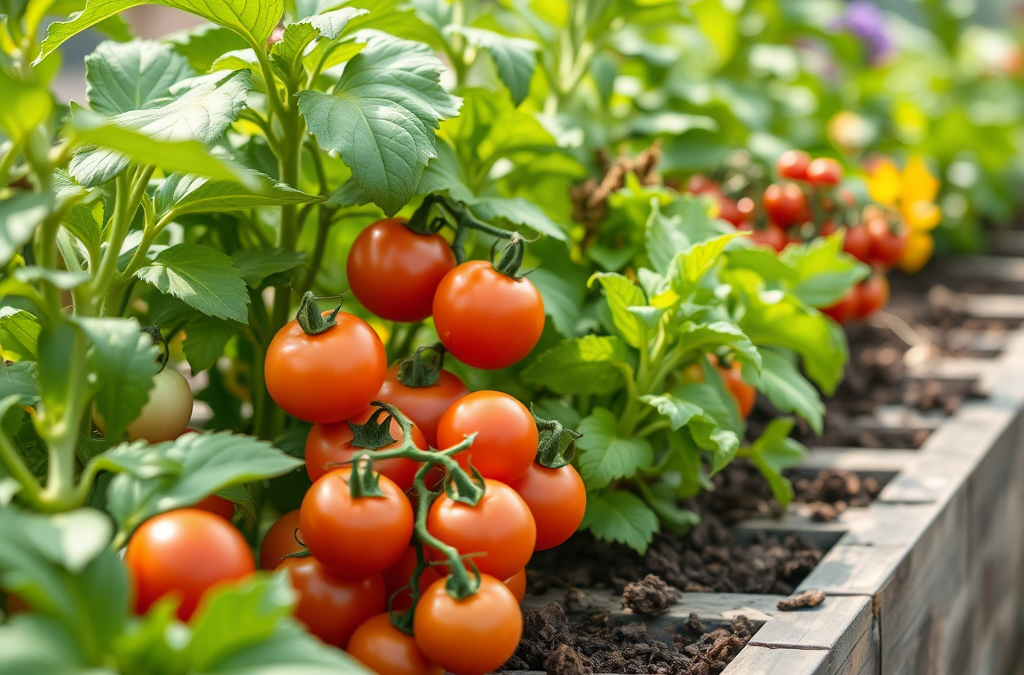
To select companion plants for vegetables, prioritize those that enhance growth and deter pests. For instance, pairing basil with tomatoes not only boosts flavor but also repels harmful insects like the tomato hornworm. Additionally, incorporating legumes such as beans can enrich the soil with nitrogen, benefiting leafy greens nearby. It's essential to understand each plant's growth habits and nutrient needs to avoid competition and ensure a thriving garden ecosystem.
Understanding Companion Planting
Companion planting involves growing different plants in close proximity for mutual benefits. This practice can enhance growth, deter pests, and improve soil health. Understanding the relationships between plants is essential for effective companion planting, as some plants can negatively affect each other.
For instance, certain plants may compete for the same nutrients or space, while others can attract pests or diseases that harm their neighbors. Successful companion planting starts with knowledge of each plant’s characteristics, including growth habits, nutrient needs, and potential pest issues. By selecting compatible plants, gardeners can create a more resilient and productive garden ecosystem.
Benefits of Companion Plants
Companion plants offer a variety of benefits that can significantly enhance vegetable gardening. One of the primary advantages is pest control. Certain plants can repel pests naturally, reducing the need for chemical pesticides. For example, planting basil near tomatoes not only enhances flavor but also helps ward off the tomato hornworm.
Another benefit is nutrient enhancement. Some plants, such as legumes, fix nitrogen in the soil, which can be utilized by neighboring plants. This symbiotic relationship can lead to healthier plants and improved yields. Additionally, companion planting can improve pollination and attract beneficial insects, contributing to overall garden health.
Choosing the Right Companions
When selecting companion plants, consider the specific needs and characteristics of each plant. Start by identifying plants with complementary growth habits and nutrient requirements. For instance, deep-rooted plants can access nutrients from lower soil layers, while shallow-rooted plants can thrive in the upper layers.
It’s also important to consider the timing of planting. Some plants grow quickly and can provide shade or protection to slower-growing plants. Additionally, understanding the potential for disease transfer is crucial; avoid pairing plants that are susceptible to the same diseases. Researching each plant’s compatibility and growth cycle will help ensure successful pairings.
Common Companion Plant Pairings
Several classic companion plant pairings have proven effective in vegetable gardens. For example, carrots and onions can be planted together to deter carrot flies, while corn can provide support for climbing beans. Additionally, planting garlic near roses can help deter aphids.
Another effective pairing is between cucumbers and radishes. The radishes can help break up the soil, allowing cucumbers to grow more freely. Additionally, marigolds are often planted alongside various vegetables to repel nematodes and other pests, making them a versatile choice for companion planting.
In practice, strong results with How to Select Companion Plants for Vegetables: Effective Pairings for Enhanced Growth and Pest Control usually come from repeating the same few priority actions long enough for them to become consistent. That means focusing on one clear standard, removing mixed signals, and watching what changes the outcome over several days instead of reacting to one isolated result. Small adjustments tend to work better than constant resets, because they make it easier to see what is actually helping and what is slowing progress.


