
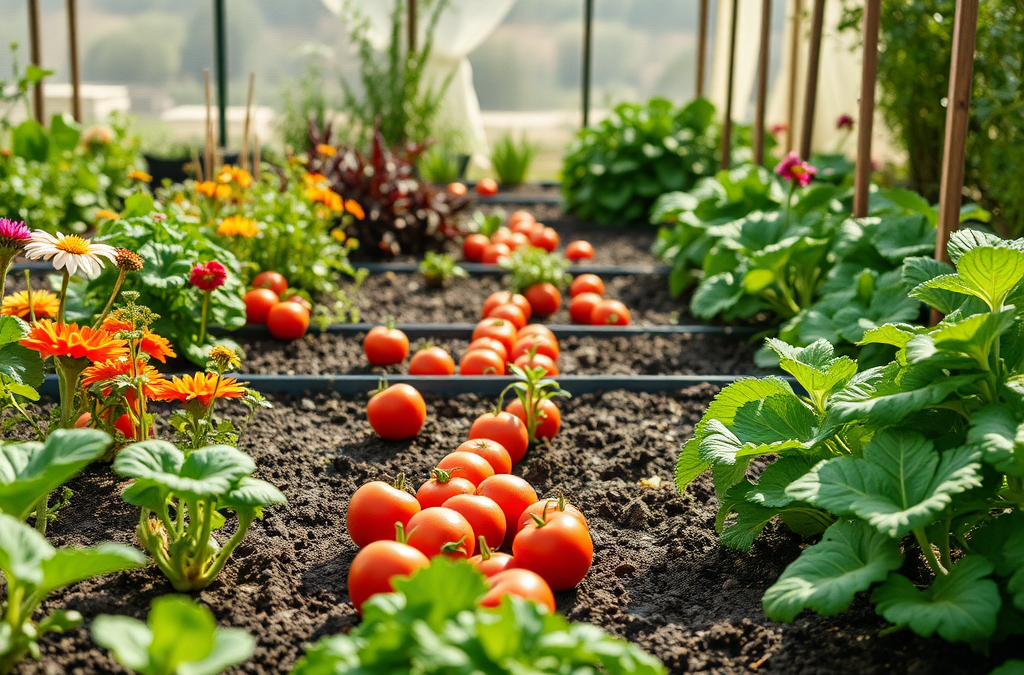
Common errors in vegetable garden layout can severely impact plant growth and yield. Key mistakes include overcrowding plants, neglecting sunlight orientation, and failing to plan for crop rotation. Overcrowding leads to competition for nutrients and space, while poor sunlight alignment can stunt growth. Additionally, ignoring crop rotation can deplete soil nutrients and increase pest issues. Addressing these layout errors can significantly enhance your garden's productivity.
Overcrowding Plants
Overcrowding is one of the most common errors in vegetable garden layout that can lead to stunted growth and increased susceptibility to pests and diseases. When plants are too close together, they compete for essential resources such as water, nutrients, and sunlight. This competition can result in smaller plants that produce lower yields.
To avoid overcrowding, it’s crucial to understand the spacing requirements of each vegetable variety. For instance, tomato plants generally require 18-24 inches between them, while leafy greens like lettuce can be spaced closer together, around 6-12 inches apart. Planning your layout with these spacing guidelines in mind will help your plants thrive.
Another aspect to consider is the layout design itself. Utilizing a grid or square-foot gardening method can help ensure that plants are appropriately spaced. This approach allows you to maximize your garden space while ensuring each plant has enough room to grow. Always remember to account for the mature size of your plants to prevent overcrowding as they grow.
Ignoring Sunlight Needs
Sunlight is a vital component for plant growth, and failing to account for its direction and intensity can lead to poor vegetable development. Each plant has its specific sunlight requirements, with some thriving in full sun (6+ hours of direct sunlight) while others prefer partial shade.
When planning your vegetable garden layout, observe how sunlight moves across your garden throughout the day. Position taller plants, like sunflowers or corn, on the northern side of your garden to avoid casting shade on shorter plants. This strategic placement ensures that all plants receive adequate sunlight, promoting healthy growth.
Additionally, consider seasonal changes in sunlight. In spring and summer, the sun is higher in the sky, while in fall and winter, it is lower. This seasonal shift can affect sunlight exposure, so plan your layout accordingly to cater to these changes. Using raised beds can also improve sunlight access for plants by elevating them and potentially increasing exposure.
Neglecting Soil Quality
The quality of your soil is fundamental to a successful vegetable garden layout. Poor soil can hinder plant growth, lead to disease, and affect the overall health of your garden. It is essential to test your soil for pH levels, nutrient content, and drainage capabilities before planting.
Incorporating organic matter, such as compost or well-rotted manure, can significantly enhance soil quality. This addition improves soil structure, increases nutrient availability, and promotes beneficial microbial activity. Regularly amending your soil with organic materials will create a fertile environment for your vegetables.
Moreover, consider implementing a mulching strategy. Mulch helps retain soil moisture, suppress weeds, and gradually enrich the soil as it breaks down. Choosing the right mulch material, such as straw or wood chips, can contribute to the health of your garden by improving soil quality over time.
Poor Crop Rotation Practices
Crop rotation is an essential practice for maintaining soil health and preventing pest and disease buildup. Failing to rotate crops can lead to nutrient depletion and increase the risk of soil-borne diseases. For instance, planting tomatoes in the same spot year after year can lead to a decline in soil health and increased pest problems.
To implement effective crop rotation, categorize your plants into groups based on their nutrient needs and family. For example, legumes enrich the soil with nitrogen, making them an excellent choice to plant after heavy feeders like tomatoes. A simple four-year rotation plan can significantly enhance soil fertility and reduce pest issues.
In addition to crop rotation, consider intercropping, which involves planting different crops in proximity to promote growth. This practice can help deter pests, maximize space, and improve overall yield. By diversifying your planting strategy, you can create a more resilient and productive garden layout.
Frequently Asked Questions
What are the signs of overcrowding in a vegetable garden?
Signs of overcrowding include stunted growth, yellowing leaves, and increased susceptibility to diseases. Plants may also compete for resources, leading to poor yields.
How can I determine the right spacing for my vegetables?
Check seed packets or gardening guides for recommended spacing for each vegetable variety. Generally, larger plants require more space than smaller ones.
What should I do if my garden gets too much shade?
If your garden receives too much shade, consider relocating plants that require full sun to a sunnier spot or pruning nearby trees or shrubs to increase light exposure.
How often should I amend my soil?
Soil should be amended at least once a year, preferably in the spring before planting. Regular testing can help determine specific nutrient needs.
What are the benefits of crop rotation?
Crop rotation helps maintain soil fertility, reduces pest and disease buildup, and improves overall plant health by varying nutrient demands on the soil.
Conclusion
To achieve a thriving vegetable garden, it is vital to avoid common errors in layout that can hinder growth and productivity. Prioritize proper spacing to prevent overcrowding, ensure adequate sunlight exposure, maintain soil quality through amendments, and practice effective crop rotation. By addressing these key areas, gardeners can create a healthy and productive environment for their vegetables, leading to a bountiful harvest.


