
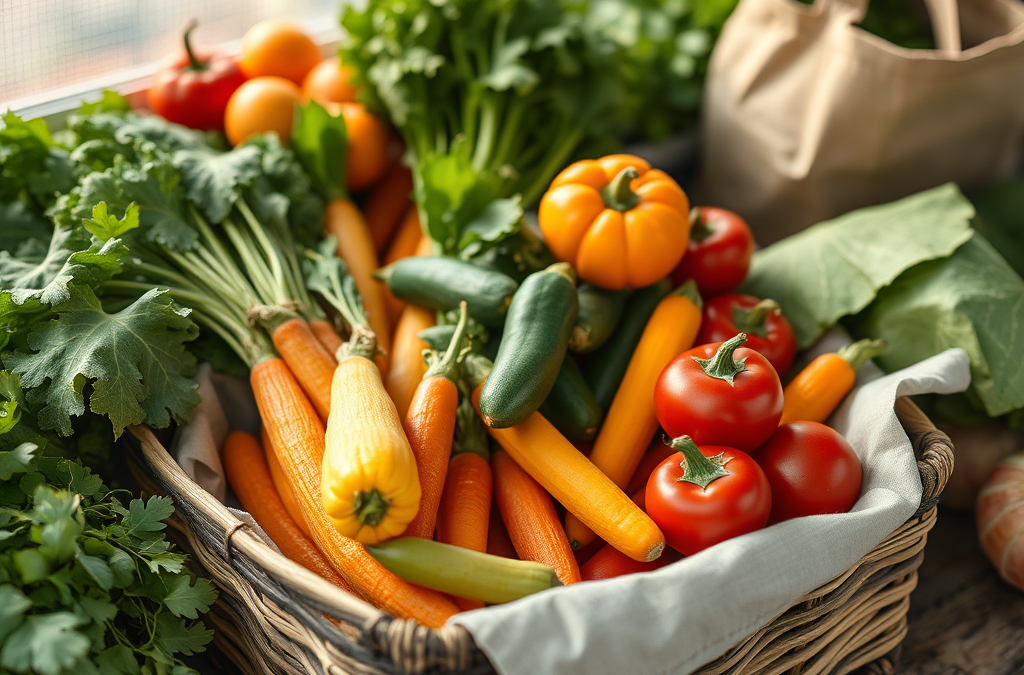
To store vegetables after harvest, it is crucial to clean them thoroughly, ensure they are dry, and choose the right storage method based on the type of vegetable. For example, root vegetables like carrots and potatoes benefit from cool, dark, and humid environments, while leafy greens should be stored in the refrigerator in perforated bags to maintain moisture. Common mistakes include washing vegetables before storage, which can lead to rot, and neglecting temperature control, which can degrade quality quickly.
Understanding Storage Needs for Different Vegetables
Each vegetable has unique storage requirements that can significantly affect its longevity and flavor. For instance, root vegetables like carrots, beets, and potatoes thrive in cool, dark, and humid environments, which help prevent sprouting and decay. Conversely, fruits such as tomatoes and peppers prefer slightly warmer conditions and should not be stored in the refrigerator, as cold temperatures can alter their texture and flavor.
Understanding these differences is essential for effective vegetable storage. For example, cruciferous vegetables like broccoli and cauliflower should be kept in high humidity to maintain crispness, while leafy greens like lettuce and spinach benefit from being stored in perforated bags in the fridge to retain moisture without becoming soggy. Recognizing these factors can help gardeners and consumers maximize the freshness and quality of their harvest.
Best Practices for Cleaning and Preparing Vegetables
Proper cleaning and preparation are crucial steps before storing vegetables. First, avoid washing vegetables until just before consumption, as excess moisture can lead to mold and rot during storage. Instead, gently brush off any dirt with a soft brush or cloth. For leafy greens, remove any damaged or wilted leaves and rinse them briefly in cold water, ensuring they are thoroughly dried before storage.
For many vegetables, trimming stems and removing any remaining soil can enhance their storage life. For instance, cutting the tops off root vegetables prevents them from drawing moisture away from the edible parts. Additionally, consider the size of the vegetables; smaller pieces can be stored more efficiently and may have a longer shelf life than larger ones.
Ideal Storage Conditions for Common Vegetables
Different vegetables require specific environmental conditions for optimal storage. Root vegetables should ideally be stored in a root cellar or a cool, dark area with high humidity, such as a basement. Carrots, for instance, can be placed in a container filled with moist sand to maintain moisture levels and prevent them from becoming rubbery.
On the other hand, leafy greens should be stored in the refrigerator at a temperature of around 32°F (0°C) with high humidity. Using perforated plastic bags allows for air circulation while retaining moisture, keeping greens crisp and fresh. Tomatoes, peppers, and eggplants prefer a slightly warmer environment, ideally around 55°F to 70°F (13°C to 21°C), and should be kept out of direct sunlight to prevent spoilage.
Common Mistakes to Avoid When Storing Vegetables
One of the most significant mistakes people make when storing vegetables is washing them before storage. Excess moisture can lead to mold growth and spoilage, particularly in leafy greens and root vegetables. Instead, wash vegetables just before use. Another common error is storing different types of vegetables together. Some fruits, like apples and bananas, emit ethylene gas, which can accelerate ripening and spoilage in nearby vegetables.
Temperature control is another critical factor; storing vegetables at improper temperatures can lead to rapid degradation. For instance, storing potatoes in the fridge can cause their starches to convert to sugars, resulting in an undesirable sweet flavor and a gritty texture. To avoid these pitfalls, familiarize yourself with the specific storage needs of each vegetable and adjust your methods accordingly.
Frequently Asked Questions
What is the best way to store leafy greens?
Leafy greens should be stored in the refrigerator in perforated bags to maintain moisture while allowing for air circulation, preventing wilting.
How should root vegetables be stored?
Root vegetables like carrots and potatoes should be kept in a cool, dark, and humid environment, ideally in a root cellar or a container with moist sand.
Can I wash vegetables before storing them?
It's best to avoid washing vegetables before storage, as excess moisture can lead to spoilage. Wash them just before use instead.
What temperature is best for storing tomatoes?
Tomatoes should be stored at a temperature between 55°F and 70°F (13°C to 21°C) and kept out of direct sunlight to maintain their flavor and texture.
What common mistakes should I avoid when storing vegetables?
Avoid washing vegetables before storage, mixing ethylene-producing fruits with vegetables, and storing them at incorrect temperatures, which can lead to spoilage.
Conclusion
Storing vegetables properly after harvest is essential for maintaining their freshness and nutritional value. By understanding the specific storage needs of different types of vegetables, implementing best practices for cleaning and preparing them, and avoiding common mistakes, you can extend their shelf life significantly. Prioritize the right conditions, such as temperature and humidity, to ensure your vegetables remain crisp and flavorful until you’re ready to enjoy them.


