
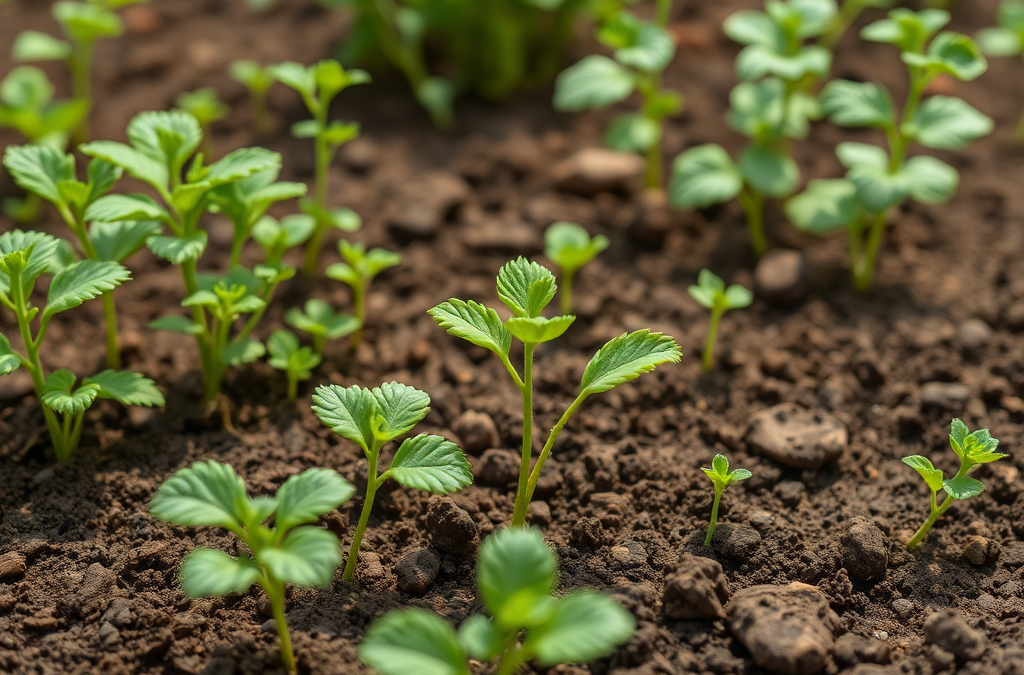
Crops that thrive in clay soil include potatoes, carrots, and certain legumes like peas and beans. These plants adapt well to the dense and moisture-retaining properties of clay. It is essential to consider soil drainage and aeration, as clay can become compacted, affecting root growth. Amending clay soil with organic matter can improve its structure, enhancing crop yields and overall health.
Understanding Clay Soil
Clay soil is characterized by its fine particles and compact nature, which can make it challenging for certain crops to thrive. Its ability to retain moisture is a double-edged sword; while it prevents drought, it can also lead to poor drainage and aeration. Understanding the properties of clay soil is crucial for successful gardening. The soil’s density affects root penetration and can lead to waterlogged conditions, which may harm plant health. Recognizing these factors helps gardeners make informed decisions about crop selection and soil management.
Moreover, the mineral composition of clay soil can vary, affecting nutrient availability. This makes it essential to conduct soil tests to determine pH and nutrient levels before planting. By understanding the unique challenges and benefits of clay soil, gardeners can create a more sustainable planting strategy, ensuring that their chosen crops receive the necessary support for growth.
Ideal Crops for Clay Soil
Several crops are particularly well-suited for clay soil, leveraging its moisture retention while adapting to its density. Root vegetables like potatoes and carrots thrive as they can penetrate the soil with their robust root systems. Additionally, legumes such as peas and beans are excellent choices because they can improve soil structure through nitrogen fixation, benefiting future crops.
Other suitable crops include:
- Brassicas: Cabbage, broccoli, and kale grow well in clay soil, benefiting from its nutrient-rich nature.
- Squash: Varieties like zucchini can thrive due to their extensive root systems that navigate through compact soil.
- Herbs: Perennial herbs, including chives and thyme, can flourish in clay soil conditions.
When selecting crops, it’s essential to consider the specific needs of each plant and the local climate. By choosing the right varieties, gardeners can maximize their yields and enjoy a productive garden.
Improving Clay Soil Conditions
Enhancing clay soil conditions is vital for successful crop growth. One effective method is to amend the soil with organic matter, such as compost or well-rotted manure. This practice improves soil structure, aeration, and drainage, allowing roots to penetrate more easily. Additionally, incorporating organic materials can increase nutrient availability, fostering healthier plants.
Another strategy is to practice crop rotation, which helps prevent soil depletion and promotes biodiversity. By alternating crops, gardeners can improve soil health and reduce pest and disease buildup. Cover cropping is also beneficial; planting cover crops during the off-season protects the soil from erosion and adds organic matter when tilled in.
Regular mulching can further enhance clay soil conditions by retaining moisture and suppressing weeds. Using organic mulch materials like straw or wood chips can gradually decompose, improving soil fertility and structure over time.
Common Mistakes to Avoid
While working with clay soil, gardeners often encounter specific pitfalls that can hinder crop success. One common mistake is planting too early in the season when the soil is still too wet, leading to compaction and poor root development. It’s crucial to wait until the soil is adequately dry to ensure optimal planting conditions.
Another frequent error is neglecting soil amendments. Failing to enrich clay soil with organic matter can result in poor drainage and nutrient deficiencies. Regular soil testing is essential to understand nutrient levels and pH, allowing for informed decisions about necessary amendments.
Lastly, over-watering can exacerbate the issues associated with clay soil. Given its moisture-retaining capabilities, it’s important to monitor irrigation carefully. Implementing proper drainage solutions, such as raised beds or French drains, can help manage excess water and prevent root rot.
For those looking to deepen their knowledge about clay soil and suitable crops, consider exploring reputable gardening resources, agricultural extensions, or local horticultural societies. These organizations often provide valuable insights and region-specific advice tailored to optimizing clay soil for various crops.
Frequently Asked Questions
What crops grow best in clay soil?
Crops like potatoes, carrots, peas, and brassicas thrive in clay soil due to their adaptability to moisture retention and nutrient availability.
How can I improve clay soil for gardening?
Improving clay soil involves adding organic matter, practicing crop rotation, and using mulches to enhance drainage and nutrient content.
Is clay soil good for gardening?
Clay soil can be good for gardening if managed properly, as it retains moisture and nutrients, but it often requires amendments to improve drainage.
What are the challenges of gardening in clay soil?
Challenges include poor drainage, compaction, and limited root growth, which can affect plant health if not addressed through proper soil management.
Can I grow vegetables in clay soil?
Yes, many vegetables, such as squash and beans, can be successfully grown in clay soil with appropriate amendments and care.


