
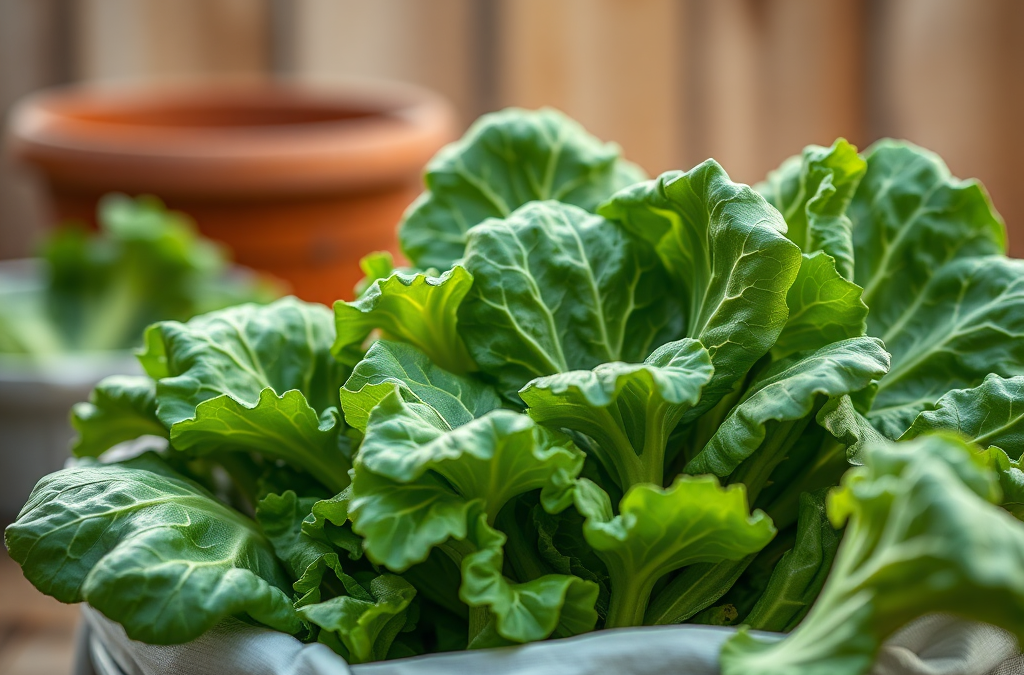
Leafy greens can taste bitter due to factors like stress from heat or drought, soil nutrient imbalances, and the age of the plants. High temperatures often lead to increased production of compounds called glucosinolates, which contribute to bitterness. Additionally, over-fertilization can cause an excess of nitrogen, leading to rapid growth and a more pronounced bitter flavor. To mitigate bitterness, consider adjusting watering practices, ensuring even nutrient distribution, and harvesting greens at the right time.
Understanding Bitterness in Leafy Greens
Bitterness in leafy greens, such as kale, arugula, and spinach, is often attributed to natural compounds that serve as a defense mechanism against pests and diseases. These compounds, including glucosinolates and phenolics, can be beneficial in small amounts but may overwhelm the taste when produced in excess. Recognizing the underlying causes of bitterness is essential for gardeners seeking to enjoy the full flavor potential of their greens.
One common misconception is that all bitter greens are undesirable. In fact, many chefs and culinary enthusiasts embrace the complex flavors of bitter greens, using them to enhance dishes. However, excessive bitterness can detract from the enjoyment of a meal, making it vital to understand how to manage it effectively.
Environmental Factors Contributing to Bitterness
Environmental stressors play a significant role in the flavor profile of leafy greens. High temperatures, drought conditions, and inconsistent watering can lead to increased bitterness. When plants experience stress, they often produce more glucosinolates as a defense mechanism, resulting in a harsher taste.
For instance, during hot summer months, greens like spinach may bolt, or flower prematurely, which can lead to a bitter flavor. Similarly, if plants receive insufficient water, they may struggle to absorb nutrients effectively, leading to imbalances that can intensify bitterness. To combat these environmental stressors, ensure that your leafy greens receive consistent watering and consider using shade cloth during extreme heat.
Nutrient Management for Better Flavor
Soil nutrient levels are crucial to the flavor of leafy greens. An imbalance, particularly an excess of nitrogen, can lead to rapid growth that produces bitter greens. While nitrogen is essential for plant growth, too much can result in a high concentration of glucosinolates, creating bitterness in the leaves.
To manage nutrient levels effectively, perform regular soil tests to determine nutrient availability. Based on the results, adjust your fertilization practices accordingly. Utilizing balanced fertilizers that provide not just nitrogen but also phosphorus and potassium can help promote healthy growth without compromising flavor.
Additionally, incorporating organic matter, such as compost, can improve soil structure and nutrient availability, leading to healthier plants and better-tasting greens. Be mindful of the timing and amount of fertilizer applied; over-fertilizing can exacerbate bitterness.
Harvesting Techniques to Reduce Bitterness
Timing and technique during harvesting can significantly influence the taste of leafy greens. Greens that are harvested too late in their growth cycle may develop a stronger bitter flavor. It’s essential to monitor your plants and harvest them when they are young and tender for the best flavor.
For example, baby greens are often sweeter and less bitter than mature leaves. If you notice that your greens are starting to taste bitter, consider harvesting them earlier than usual. Additionally, always use clean, sharp tools to make clean cuts, which can help reduce stress on the plant and potentially lessen bitterness.
Frequently Asked Questions
What causes bitterness in leafy greens?
Bitterness is primarily caused by natural compounds like glucosinolates, which increase under stress conditions such as high temperatures and drought.
How can I reduce bitterness in my greens?
To reduce bitterness, ensure consistent watering, manage nutrient levels properly, and harvest greens when they are young and tender.
Are all bitter greens bad?
No, many chefs and culinary enthusiasts appreciate the complexity of bitter greens, but excessive bitterness can detract from the overall flavor.
Does over-fertilizing affect the taste of greens?
Yes, over-fertilizing, especially with nitrogen, can lead to rapid growth and increased bitterness in leafy greens.
What is the best time to harvest leafy greens?
Harvest leafy greens when they are young and tender, typically before they reach full maturity, to avoid bitterness.
Conclusion
Understanding why your leafy greens taste bitter is essential for enjoying their full flavor potential. By managing environmental factors, nutrient levels, and harvesting techniques, you can significantly improve the taste of your greens. Regular monitoring and adjustments will help you cultivate delicious, tender leafy greens that enhance your meals. Embrace the journey of gardening and savor the rewards of well-tended crops.


