
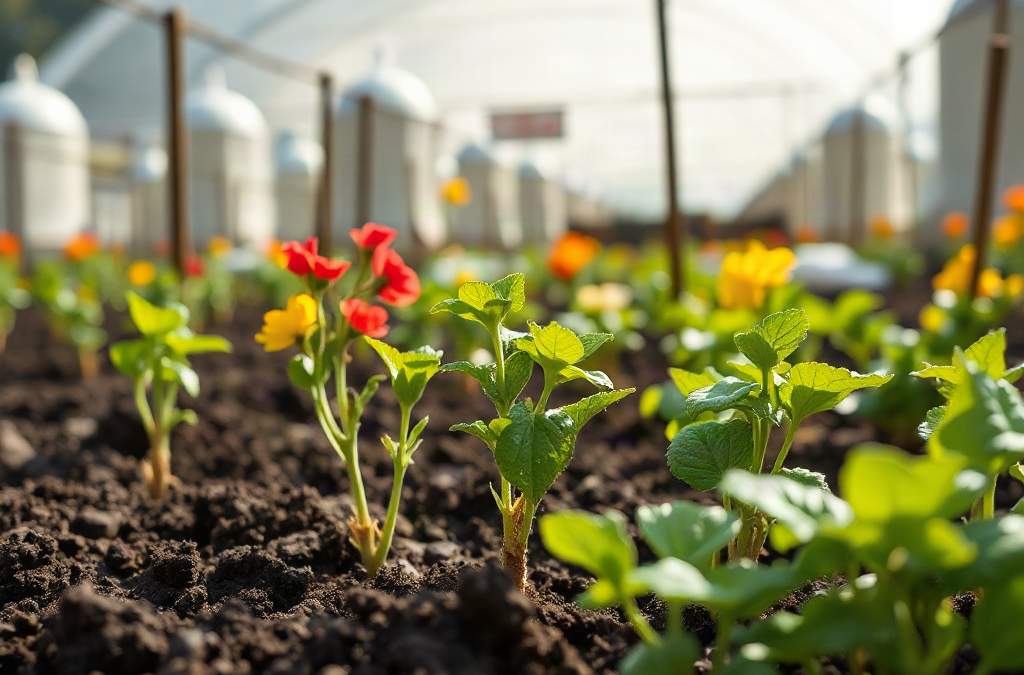
When your soil lacks nutrients, test the soil first, identify the specific deficiency, and then apply a measured amendment while correcting pH, drainage, or organic matter problems that may block uptake. A laboratory soil test is more reliable than judging leaves alone because yellowing can also result from overwatering, root damage, cold conditions, or unsuitable pH. Add finished compost to improve soil structure, but use a targeted fertilizer when a test confirms low nitrogen, phosphorus, potassium, or another nutrient. Avoid repeated heavy feeding, which can create salt buildup, pollute runoff, or cause excessive leafy growth. Recheck plant growth and soil results before applying more.
Confirm Whether Nutrients Are Actually Missing
Plant symptoms can suggest a nutrient problem, but they do not prove one. Pale older leaves may point toward limited nitrogen, while yellow tissue between the veins of newer leaves can be associated with iron availability or high soil pH. Purple coloration, weak growth, distorted leaves, and poor flowering have other possible causes as well. Compacted soil, saturated roots, drought, cold weather, insect feeding, and disease can all produce symptoms that resemble malnutrition.
A soil test is the most useful first move because it measures nutrient levels and usually reports soil pH, which controls how readily roots can access several elements. Collect samples from the actual planting area rather than from a compost pile, fertilized spot, or visibly different patch. Use a clean trowel, take several small samples from the root zone, mix them in a clean container, and follow the laboratory’s instructions. A home test can provide a rough indication, but a laboratory report is better for deciding whether a major amendment is justified.
Read the report as a set of conditions rather than as a shopping list. A low nutrient value may matter less if the crop has shallow roots, is near the end of its season, or is growing in soil with poor moisture management. Conversely, a soil may contain plenty of a nutrient that plants cannot access because the pH is unsuitable or roots are damaged. Before adding anything, check whether water drains within a reasonable time, whether roots encounter hard layers, and whether the plant is receiving enough light.
A common mistake is treating every yellow leaf with a nitrogen product. That approach can worsen an iron-related problem, encourage soft leafy growth, or leave the underlying drainage issue untouched. Photograph symptoms, note which leaves are affected, and compare several plants. If only one plant is struggling, inspect its roots and immediate soil before changing the fertility of the entire bed. For broader diagnosis help, use this related resource: what to do when your soil lacks nutrients.
Match the Amendment to the Deficiency
Once a test identifies a shortage, choose an amendment that supplies the needed element without creating a new imbalance. Nitrogen supports leaf and stem growth, so low nitrogen often appears as slow growth and general paling that begins on older leaves. Finished compost, aged manure used according to local guidance, blood meal, fish-based fertilizers, and formulated organic or synthetic products can all supply nitrogen, but their release rates differ. A fast fertilizer may provide a quick correction, while compost contributes more gradually and also changes soil structure.
Phosphorus is involved in energy transfer and root and reproductive development, yet adding extra phosphorus when levels are already adequate is rarely useful. Bone meal and high-phosphorus blends should not be applied automatically because excess phosphorus can move into waterways and interfere with nutrient balance. Potassium contributes to water regulation and overall plant function. Sulfur, magnesium, calcium, and micronutrients such as iron, zinc, and boron are needed in smaller amounts, but concentrated applications can damage roots when used carelessly.
Match the product label to the soil report and the crop’s growth stage. A vegetable bed with low nitrogen may need a modest side-dressing during active growth, whereas a perennial planting may be better served by improving organic matter and avoiding a late-season flush of tender growth. If pH is too high, adding more iron may not solve chlorosis because the iron remains difficult for roots to access. Correcting pH can be more effective than repeatedly applying an iron product.
Amendments also differ in speed and precision. Compost is forgiving and useful for depleted, low-organic-matter soil, but its nutrient content varies and it should not be treated as a precise substitute for a soil-test recommendation. Granular fertilizer is easier to measure, while liquid feeding acts quickly but may require repeated applications. Follow the stated rate, spread products evenly, and keep concentrated fertilizer away from stems and roots. The goal is to restore a shortage, not maximize the amount applied.
Restore Organic Matter and Nutrient Availability
Soil fertility depends on more than the quantity of fertilizer present. Organic matter helps soil hold water and nutrients, supports aggregation, and provides habitat for organisms that break down residues. In sandy soil, organic matter can reduce rapid nutrient and moisture loss. In heavy clay, it can improve pore space and make roots less likely to remain in saturated conditions. These improvements take time; a single compost application will not instantly rebuild a damaged soil profile.
Use mature, finished compost with a dark, crumbly texture and an earthy smell. Immature material may compete temporarily for nitrogen as it decomposes, contain weed seeds, or harm seedlings if it is excessively hot. Mix compost into the upper soil where appropriate rather than burying a thick layer against plant crowns. In an established bed, a surface layer can be preferable because aggressive digging disturbs roots and soil structure. Avoid relying on fresh manure near edible crops unless it has been properly processed and used within applicable food-safety guidance.
Keep living roots in the soil when possible. Cover crops, mulch, and returning suitable plant residues can reduce erosion and nutrient loss, but diseased material should not be returned to a bed where it may spread problems. A legume cover crop may contribute nitrogen after decomposition, although it is not an instant fertilizer and its result depends on timing, biomass, and incorporation. Wood chips are useful as a surface mulch, but mixing large amounts into the root zone can temporarily tie up nitrogen while microbes decompose them.
Consider the difference between nutrient supply and nutrient availability. A bed may test adequately yet produce poor growth because roots cannot breathe in waterlogged soil. Another bed may lose soluble nitrogen after repeated heavy irrigation or rainfall, especially where soil is sandy. Improve drainage, use mulch to moderate moisture swings, and water deeply enough to wet the root zone without keeping it saturated. Apply what to do when your soil lacks nutrients as a diagnostic process, not simply as a reason to buy more fertilizer.
Apply Fertilizer Safely and Monitor Recovery
Fertilizer works best when the dose, placement, timing, and moisture conditions match the plant’s needs. Apply granular products to moist soil or water them in according to the label so salts do not remain concentrated around roots. Side-dressing places nutrients near actively growing plants without disturbing the root ball. Foliar sprays can be useful for certain confirmed micronutrient problems, but they are not a general replacement for healthy root-zone fertility and can scorch leaves if mixed too strongly.
Use a simple priority order: confirm the diagnosis, correct pH or drainage when those factors limit uptake, add compost where organic matter is low, and use targeted fertilizer only for the remaining deficiency. This order prevents a common failure mode in which gardeners apply several products at once and then cannot tell which change helped. It also lowers the risk of overfertilization, which may cause leaf-tip burn, excessive vegetative growth, poor fruiting, or nutrient runoff.
For example, suppose tomato plants are pale in a bed that has received frequent watering. A nitrogen fertilizer may produce greener leaves for a short time, but saturated soil can continue damaging roots. Improving drainage and allowing appropriate drying between irrigations may be the more urgent correction, followed by a measured feeding if the soil test supports it. In contrast, a vigorous crop in sandy soil with a confirmed low nitrogen result may benefit from smaller, repeated applications rather than one heavy dose that is likely to leach.
Watch for improvement in new growth rather than expecting damaged older leaves to regain a perfect color. Stronger stems, normal leaf expansion, and steady growth are more useful signals than a dramatic change within a day or two. If symptoms spread, edges burn, growth becomes unusually lush, or the soil develops a crust, stop adding fertilizer and reassess. Keep application records, including product, rate, date, rainfall, and plant response. A follow-up soil test is particularly useful after a season of correction or before making another substantial amendment.
For reliable soil-testing instructions and amendment interpretation, consult your state university cooperative extension, land-grant university soil laboratory, or local government agriculture office. These services commonly provide sampling procedures and region-specific guidance that commercial product labels cannot replace.
Frequently Asked Questions
How can I tell whether soil really lacks nutrients?
Send a representative soil sample to a laboratory. Leaf color alone is unreliable because poor drainage, root damage, pests, disease, and unsuitable pH can create similar symptoms.
Is compost enough to fix nutrient-poor soil?
Compost can improve organic matter and provide slow-release nutrients, but its nutrient content varies. A soil test may show that a targeted amendment is also needed.
Can too much fertilizer harm plants?
Yes. Excess fertilizer can increase salt concentration, burn roots or leaf edges, produce weak leafy growth, and contribute to nutrient runoff. Apply only the recommended amount.
Should I adjust soil pH before adding fertilizer?
If the test shows that pH is limiting nutrient availability, correcting pH may be more effective than adding more of the unavailable nutrient. Use the test recommendation rather than guessing.
When should I retest soil after adding amendments?
Timing depends on the amendment and soil conditions. Retest after it has had time to react, often before the next major growing season, and keep records of what was applied.
Conclusion
Rebuilding nutrient-poor soil is a diagnosis and management task, not a race to apply the strongest fertilizer. Test the soil, inspect drainage and roots, and identify whether the problem is a true shortage or a nutrient that plants cannot access because of pH or moisture conditions. Use finished compost to improve the soil’s long-term structure, then select a targeted amendment when test results justify it. Smaller, measured applications are usually easier to evaluate than a single heavy dose. Track plant response in new growth, watch for fertilizer injury, and retest before repeating major corrections. Those steps protect the crop while gradually creating soil that stores nutrients more reliably and supports healthier root growth.


