
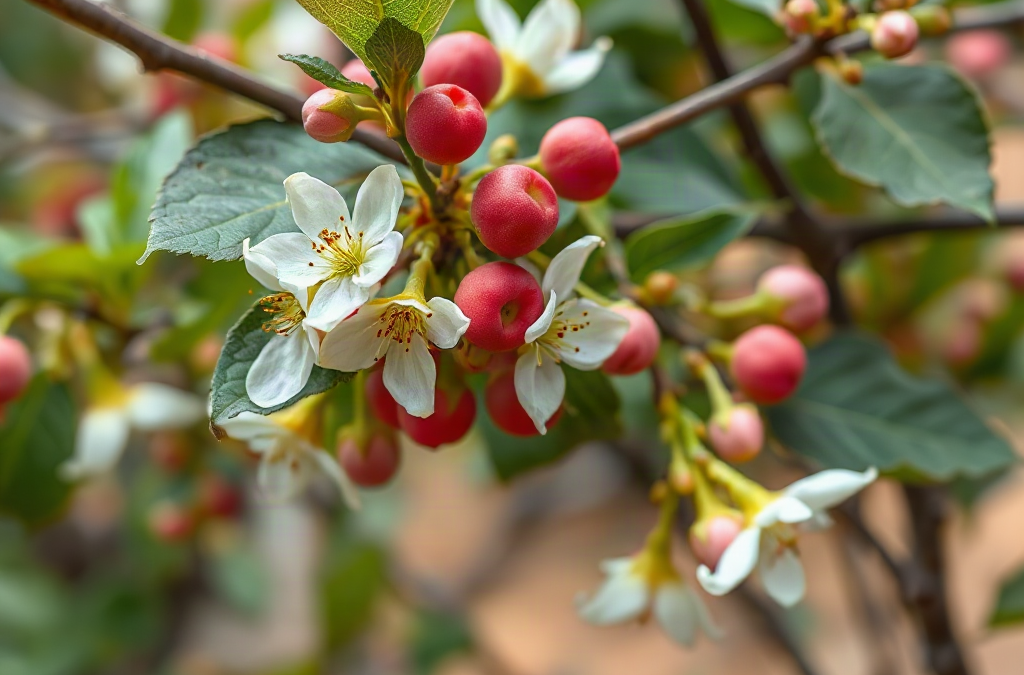
Prevent blossom drop in fruiting plants by keeping moisture steady, protecting flowers from temperature extremes, and ensuring pollination during the short period when blooms are receptive. Check soil moisture before watering, avoid heavy nitrogen that produces leaves instead of flowers, and use hand-pollination when few bees are active. Heat, cold, drought, waterlogged roots, low light, and insufficient pollen transfer can all cause flowers to fall before fruit forms. Inspect dropped blooms for browning, insect injury, or an intact stem, then adjust the likely cause rather than adding fertilizer automatically. A stable root zone and suitable flowering conditions usually matter more than extra feeding.
Why Flowers Fall Before Fruit Forms
Blossom drop occurs when a plant sheds flowers before fertilization or before a developing ovary can continue growing. A small amount is normal, especially on tomatoes, peppers, cucumbers, squash, beans, and fruit trees carrying more flowers than their roots can support. A sudden loss of most blooms, however, usually signals stress during flowering rather than a simple need for more fertilizer.
The first useful distinction is whether the flower was pollinated. An unpollinated bloom often dries and falls with little swelling behind the petals. A flower that was fertilized may leave a small, enlarging fruit at its base. In tomatoes and peppers, flowers can drop after poor pollen release during hot, dry weather. In cucurbits, a female flower may wither if pollen was not transferred or if the plant cannot maintain the young fruit.
Plant stress changes the balance between water supply, photosynthesis, and reproductive growth. Drought can interrupt nutrient movement and cause a plant to sacrifice flowers. Saturated soil creates a different problem: oxygen-starved roots cannot function normally even though the surrounding soil is wet. Excess nitrogen may produce vigorous foliage that competes with flowers, while insufficient light limits the sugars needed to retain fruit.
Use the broader how to prevent blossom drop in fruiting plants approach as a process of elimination. Record when flowers fall, inspect the weather during the preceding few days, and compare the pattern across plants. If only one container is affected, root restriction or uneven watering is more likely than a regional pollination shortage. If an entire bed drops flowers after a heat wave, temperature or moisture stress deserves priority.
A common mistake is responding immediately with high-phosphorus fertilizer. Phosphorus cannot correct flowers that were not pollinated, and extra nutrients can increase salt buildup or disturb the existing nutrient balance. Stabilize the root environment and identify the failure pattern before adding any product.
Water, Temperature, And Light During Flowering
Consistent soil moisture is one of the most controllable ways to reduce flower loss. Fruiting plants do not need constantly wet soil, but they do need the root zone to remain within a usable moisture range while flowers are opening and young fruit is forming. Letting a container dry severely and then flooding it can stress roots twice: first through dehydration, then through poor aeration.
Check moisture several inches below the surface rather than judging by a dry crust. Water slowly until the root zone is moistened, then allow excess water to drain. Containers may require more frequent checks than garden beds because small volumes heat and dry quickly. A layer of organic mulch can reduce evaporation in beds, but keep it away from stems and do not use mulch to conceal persistently soggy soil.
Temperature affects both pollen behavior and flower retention. Extended heat can reduce pollen viability or make pollen too sticky to move, while cold nights can slow pollen release and fruit development. A sudden frost may damage open blooms even when leaves appear unharmed. Shade cloth during severe afternoon heat, improved airflow, and planting dates matched to the crop can reduce exposure, though shade placed too heavily may lower the light needed for fruit production.
Light is another limiting factor. A tomato growing in dense shade may produce flowers but lack enough energy to retain many fruits. Moving a container to a brighter location can be more useful than feeding it. For established plants, selective pruning of nearby growth or choosing a less crowded position next season may help, but aggressive pruning during a heat event can expose flowers and fruit to additional stress.
Watering more often is not always better. Frequent shallow watering encourages a surface-dependent root system, while poorly drained beds can remain cold and airless. Prioritize deep, even wetting, drainage, and protection from extreme weather. Signs of improvement include flowers remaining attached longer, less midday wilt, and small fruits beginning to enlarge. Continued drop alongside yellowing leaves, sour-smelling soil, or soft roots points to a drainage or root-health problem instead.
Pollination Problems And Practical Fixes
Pollination fails when pollen does not reach a receptive stigma or when the flower is not viable under the prevailing conditions. Bees and other insects handle much of this work outdoors, but activity can decline during cold, rain, strong wind, pesticide exposure, or very hot afternoons. Enclosed growing spaces can have an even greater problem because natural pollinators may not enter regularly.
Flower structure determines the useful response. Tomatoes and peppers have flowers that can often be assisted by gently tapping the support or flower clusters during dry daylight hours. A small artist’s brush or electric pollination tool may be used carefully, but excessive handling can damage delicate blooms. Squash and other cucurbits have separate male and female flowers. The female flower has a small swelling beneath it; pollen from a male flower can be transferred to that central stigma with a clean, soft brush.
Hand-pollination is a backup, not a replacement for a healthy flowering environment. It cannot compensate for flowers damaged by frost, severe heat, disease, or inadequate light. It is most useful when a container garden has few pollinators, when a greenhouse is sealed, or when only a small number of female squash flowers open at one time. Perform it when flowers are fully open and repeat according to the crop’s flowering pattern rather than brushing closed or wilted blooms.
Planting a range of nectar-producing flowers near crops can make the growing area more attractive to pollinators, but avoid spraying insecticides on open blooms. Even products allowed in some gardens can harm visiting insects if used at the wrong time. Follow the product label, avoid treating during active pollinator visits, and consider whether treatment is actually necessary before applying anything.
Do not assume every dropped blossom represents poor pollination. A plant under water stress may shed flowers even with abundant bees, and a flower with chewing damage may never set fruit. Compare blooms on the same plant: if flowers remain attached where the weather is mild but drop after a hot afternoon, environmental stress is more likely. The flowering-stage checklist should therefore include pollinator activity, flower condition, weather, and soil moisture together.
A Diagnostic Routine For Reducing Blossom Drop
Effective troubleshooting begins with the newest dropped flowers, not with a general feeding program. Examine the bloom and the point where it separated. A clean, dry fall after a heat spike suggests stress or failed fertilization. Blackened tissue may indicate frost or disease, while holes, distorted petals, or insects inside the flower suggest pest damage. A swollen green structure left behind is evidence that at least some pollination succeeded.
Check conditions in this order: root-zone moisture, drainage, recent temperature extremes, light exposure, pollinator access, and nutrient use. This order prevents a common misdiagnosis in which gardeners add fertilizer before checking whether roots can absorb water or whether pollen is moving. A simple note of watering dates, high and low temperatures, bloom numbers, and fruit set can reveal patterns within a week or two.
Use targeted corrections rather than changing everything at once. If soil is dry, irrigate thoroughly and add a suitable mulch layer. If soil stays wet, pause irrigation, improve drainage where feasible, and inspect containers for blocked holes. If heat is the trigger, provide temporary afternoon protection while preserving airflow. If pollination is the limiting factor, encourage insect activity or hand-pollinate a manageable number of flowers. If foliage is excessive and flowering is weak, stop nitrogen-heavy feeding and review light levels.
Plants also have natural limits. A young pepper or tomato may drop its first flowers while establishing roots, and a fruit tree may shed part of an unusually heavy bloom. Removing a few weak or overcrowded fruits can sometimes help the plant support the remainder, but thinning cannot repair a failed root system. Likewise, keeping every flower is not the goal; steady fruit development is.
- Working: new flowers stay attached, small fruits enlarge, and wilting decreases.
- Not working: drop continues after conditions stabilize, leaves show spreading spots, or roots remain wet and discolored.
- Next decision: inspect for disease, pests, root restriction, or crop-specific growing requirements instead of repeating the same adjustment.
For a container, compare pot size and drainage with the plant’s maturity. A tomato in a small dark pot may experience hotter roots and faster moisture swings than one in a larger light-colored container. In a garden bed, competition from nearby plants can create a localized shortage of water or light. These practical differences explain why one plant may set fruit normally while another loses nearly every blossom.
Use balanced fruiting-plant care as an ongoing routine: water according to root-zone conditions, protect blooms from extremes, maintain useful light, and watch pollination during the crop’s receptive flowering window. Correcting the dominant stress is usually more productive than applying several remedies simultaneously.
Frequently Asked Questions
Can overwatering cause blossom drop?
Yes. Waterlogged soil limits oxygen around roots, reducing their ability to support flowers and young fruit. Allow drainage and check moisture below the surface before watering again.
Does blossom drop always mean a plant needs fertilizer?
No. Heat, drought, cold, poor pollination, low light, and root problems are frequent causes. Excess nitrogen can encourage leaves while doing little to improve fruit set.
How can tomatoes be hand-pollinated?
Gently tap the flower cluster or support during dry daylight hours so pollen moves within the flower. Handle blooms lightly and avoid doing this when flowers are wet or wilted.
Why do squash flowers fall without producing squash?
Female flowers may not receive pollen, especially when few pollinators are active. Transfer pollen from a freshly opened male flower to the stigma of the female flower with a soft brush.
Should damaged blossoms be removed?
Remove blossoms that are clearly diseased, heavily chewed, or dead, but do not strip healthy flowers simply because a few have dropped. Focus on correcting the condition causing repeated loss.
Conclusion
Reducing blossom drop depends on protecting the short period between flower opening and early fruit development. Check moisture below the surface, correct drainage, moderate extreme heat or cold, and provide enough light before reaching for fertilizer. Then assess pollinator activity and use careful hand-pollination when the crop and situation justify it. Keep realistic expectations: some flower loss is normal, particularly on young or heavily flowering plants. A brief record of weather, watering, flower condition, and fruit set will show whether an adjustment is working. If blossoms continue to fall despite stable conditions, inspect roots, leaves, and flowers for disease or pests and match the diagnosis to the specific crop rather than applying a broad remedy.


