
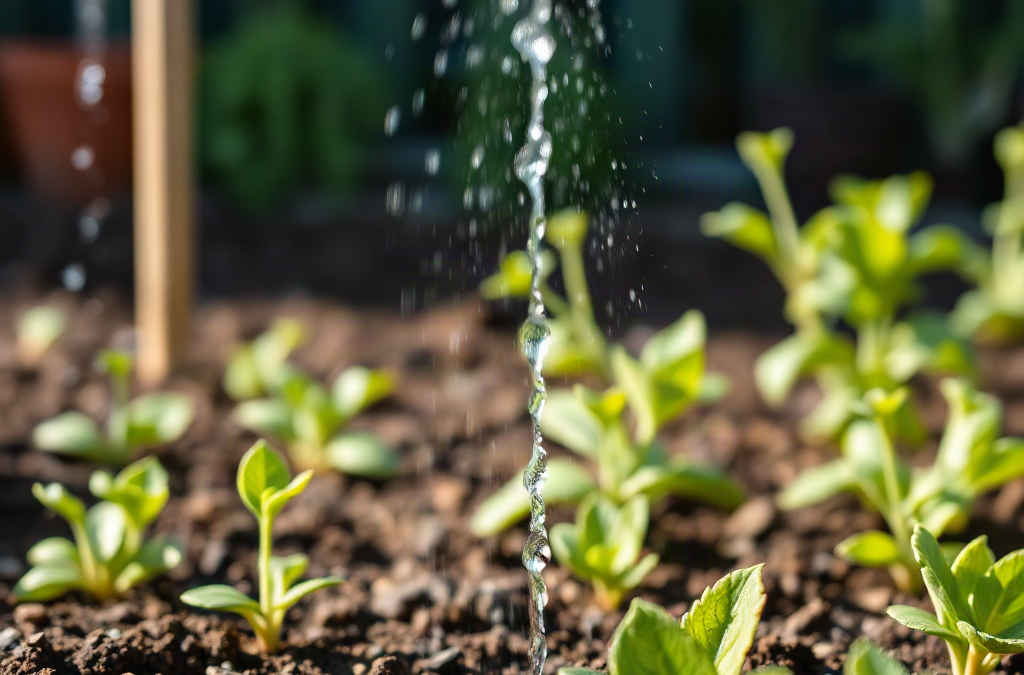
Adjust watering based on rainfall by checking how deeply the soil was wetted, then subtracting that amount from the next irrigation rather than skipping water automatically. A light shower may wet only the surface and evaporate quickly, while slow, sustained rain can supply enough moisture for several days. Check soil 2 to 4 inches below the surface, consider plant age, soil type, temperature, wind, and drainage, and water only when the root zone begins to dry. Avoid adding irrigation to already saturated ground because it reduces air around roots and can encourage disease, shallow rooting, and nutrient loss.
How Rainfall Changes Irrigation Needs
Rainfall should change both the timing and amount of supplemental irrigation, but the adjustment depends on where the water reached in the soil. A brief shower can leave the top layer damp while the main root zone remains dry. By contrast, several hours of gentle rain may replenish moisture around vegetables, shrubs, and established perennials without any help from a hose.
The most useful question is not simply whether it rained. Ask how much fell, how quickly it arrived, and whether the ground absorbed it. Hard, fast rain often runs off compacted beds or slopes. Slow rain has more opportunity to move downward. Mulched soil generally captures water more effectively than bare soil, while clay may absorb rainfall slowly and sandy soil may drain it quickly.
Plants also use water at different rates. Newly planted seedlings have small root systems and can dry out soon after a warm, windy day. Established trees may tolerate a longer interval between irrigation because their roots occupy a larger volume of soil. Fruiting vegetables such as tomatoes, cucumbers, and squash can need close monitoring during flowering and fruit development, even when nearby lawn or ornamental beds still appear adequately moist.
A common mistake is treating every rain event as a reason to cancel the next watering. That approach can produce alternating drought and saturation. Use rainfall as one input in a decision, alongside a soil check and the condition of the crop. The aim is neither constantly wet soil nor a fixed calendar; it is a root zone with enough moisture and enough air for healthy roots.
For a broader reference point, compare rainfall decisions with your normal how to adjust watering based on rainfall routine. The best schedule is flexible enough to respond to actual conditions.
How To Measure Useful Rainfall
A rain gauge gives a better starting point than a weather app or the sound of rain against a window. Place a simple gauge in an open area away from roofs, fences, and overhanging branches. Record the amount after the storm, then inspect the soil in several locations because one bed may receive runoff while another remains sheltered.
Rainfall depth does not automatically equal water available to roots. For instance, a small amount of rain may wet only the mulch and upper inch of soil. If the surface is crusted, water can move sideways rather than down. On a raised bed filled with loose, sandy soil, the same event may pass below shallow-rooted plants quickly. A deeper check with a finger, hand trowel, or soil probe reveals more than surface appearance.
Check at least one location near a plant and another between plants. Avoid damaging major roots, and do not judge moisture immediately beside a dripping downspout as representative of the whole bed. Soil should feel cool and slightly moist at the active root depth, not muddy or glossy. If a probe enters easily near the surface but meets hard, dry resistance below, the rain probably did not replace the planned irrigation.
Runoff is another clue. Puddles, eroded mulch, sediment, or water collecting at the low end of a bed indicate that some rainfall never entered the root zone. Rather than adding a long irrigation cycle afterward, improve infiltration with mulch, organic matter appropriate to the soil, or shorter irrigation cycles that allow water to soak in. Heavy clay may need time between applications; sandy beds may need smaller, more frequent amounts.
- Light, fast shower: verify moisture below the surface before changing the schedule.
- Slow soaking rain: delay irrigation while checking whether the root zone remains moist.
- Heavy downpour: inspect for runoff, pooling, erosion, and drainage problems before assuming full coverage.
The mistake to avoid is using a single rainfall number as a universal rule. Measurements become useful only when paired with soil depth, drainage, and the plants growing there.
Adjusting Water For Soil, Plants, And Weather
Soil texture determines how long rainfall remains available. Sandy soil drains rapidly and holds less water, so a modest rain may justify only a short delay in irrigation. Clay soil stores more water but may become saturated or resist infiltration when dry. Loam often provides a middle ground, though compaction, raised-bed mix, mulch depth, and root density can change its behavior.
Plant development matters just as much. Seed trays, transplants, and newly seeded rows should not be managed like mature shrubs. Their roots occupy a narrow, shallow zone that can dry even after the surrounding ground looks damp. Mature plants can usually tolerate a longer pause, but containers are an exception: rainfall may miss foliage-covered potting mix, spill over the sides, or saturate the top while the lower root area stays dry.
Weather after the storm can reverse the decision quickly. Sun, wind, high temperatures, and low humidity increase evaporation from leaves and soil. A cloudy, cool period reduces demand. A rain event followed by hot wind may justify checking beds again the next day, whereas a cool week with moist soil may allow several days without irrigation.
Plant symptoms require interpretation. Wilting during afternoon heat is not always proof of drought; leaves may temporarily lose firmness while roots still have access to water. Persistent wilting in the morning, dry soil at root depth, or brittle new growth is more concerning. Yellowing, soft stems, algae on soil, and a sour smell can point toward excessive moisture or poor drainage rather than a need for more water.
Consider the tradeoff between shallow and deep watering. Frequent small applications keep the surface wet but may encourage roots to remain near the top, where temperature and moisture fluctuate sharply. A slower, deeper application is generally more useful once the soil has begun to dry, provided the bed drains adequately. Do not force a deep cycle into compacted or poorly drained ground; correcting infiltration may matter more than increasing volume.
Use the same reasoning when reviewing how to adjust watering based on rainfall for mixed beds. Grouping plants with similar moisture needs makes rain-based decisions easier than applying one schedule to drought-tolerant herbs, thirsty vegetables, and shallow-rooted flowers together.
A Rainfall-Based Watering Routine
A dependable routine has four stages: record the rain, inspect the root zone, estimate current demand, and make a modest adjustment. Recording does not need to be elaborate. Note the rainfall amount, the date, whether runoff occurred, and how many inches of soil felt moist afterward. After several weeks, these observations become more useful than a fixed recommendation detached from local conditions.
When rainfall has moistened the active root zone, postpone the next irrigation and recheck before watering. When only the surface is damp, shorten or delay the planned cycle rather than canceling it completely. If the ground is saturated, do not aerate it by walking through the bed or adding more water. Improve drainage and wait for the soil to regain structure.
Adjust irrigation zones separately. A vegetable bed under open sky may receive substantial rain, while a container beneath an eave receives almost none. A slope can shed water from its upper section and collect it below. Drip emitters beneath mulch may continue delivering water even when the surface looks dry, so inspect the emitter area and root depth instead of judging by appearance alone.
A useful priority order after rain is:
- Check containers, seedlings, and newly transplanted crops first because their root reserves are limited.
- Inspect low spots, compacted soil, and beds showing runoff or pooling.
- Delay irrigation for established plants only when moisture reaches their active root zone.
- Recheck after unusually hot, windy weather rather than relying on the earlier rain total.
Signs that the adjustment is working include stable morning plant posture, crumbly rather than muddy soil, and fewer emergency watering sessions. Signs of failure include repeated midday stress, standing water, cracked dry soil below a damp surface, or disease developing after long wet periods. Those observations should change the next decision.
Automation can help, but a timer should not override rainfall. A rain sensor or soil-moisture sensor may pause irrigation, while manual checks remain valuable in containers and uneven beds. Sensors need correct placement and interpretation; a sensor in a shaded, mulched corner cannot represent a sunny slope. For more detailed planning, revisit how to adjust watering based on rainfall alongside the layout and irrigation method used at home.
For local rainfall patterns, irrigation guidance, and soil-water interpretation, consult publications from your state university extension service, local water-conservation agency, or the USDA Natural Resources Conservation Service. These sources can account for regional climate, soil texture, and appropriate irrigation practices more accurately than a universal schedule.
Frequently Asked Questions
Should watering stop completely after rain?
Only if the rain moistened the active root zone and conditions are not likely to dry it quickly. Check below the surface before canceling irrigation.
How can I tell whether rainfall was enough?
Use a rain gauge, then check soil at root depth in more than one location. Surface dampness alone is not a reliable measure.
Does heavy rain replace deep watering?
Not always. Heavy rain may run off compacted soil or pool in low areas. Look for moisture below the surface and evidence that water infiltrated evenly.
Do containers need watering after a storm?
They may. Leaves, covers, and roof overhangs can keep rain out, while potting mix can also become wet only at the surface. Check the container depth before watering.
What is the biggest rainfall-watering mistake?
Following a rigid calendar after weather changes. Calendar irrigation can overwater saturated soil or leave roots dry after a brief shower.
Conclusion
Rainfall should modify an irrigation plan, not replace observation. Measure or estimate the rain, examine moisture at the depth where roots are active, and account for soil texture, plant maturity, drainage, and the weather that follows. A light shower may call for only a short delay, while soaking rain may justify several days without supplemental water. Containers, seedlings, slopes, and compacted beds need separate attention because rainfall rarely reaches them evenly. Prioritize avoiding saturated soil as much as avoiding drought: roots need air as well as water. Keep brief records, adjust individual zones, and recheck after heat or wind. That practical feedback will produce a more reliable schedule than any fixed number of minutes on a timer.


