
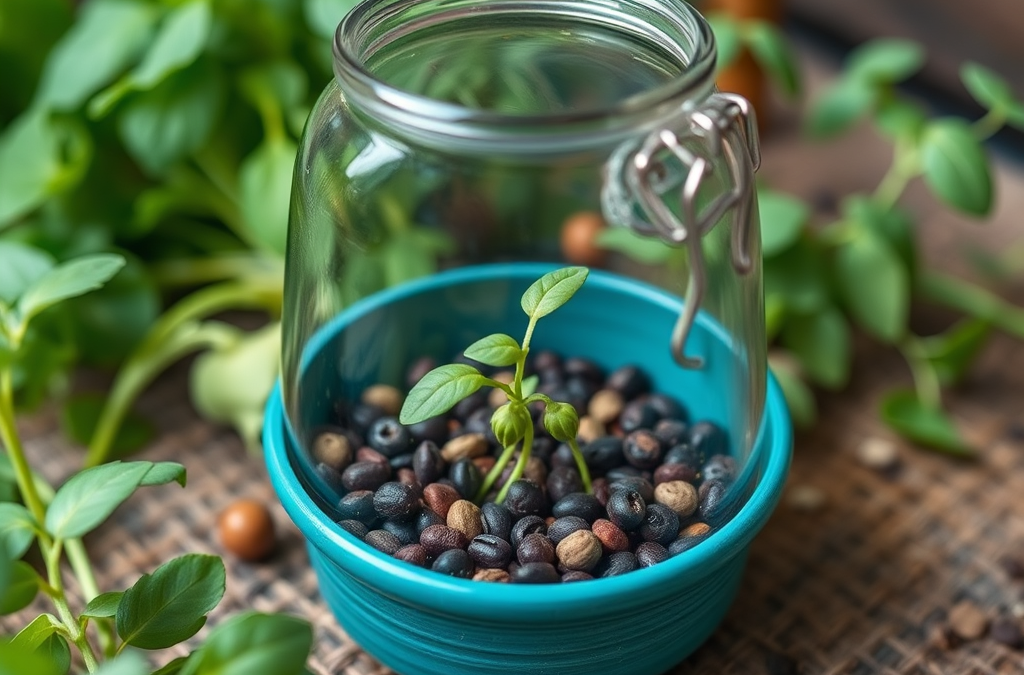
The best methods for seed saving involve selecting healthy, mature seeds and using proper techniques for extraction and storage to ensure viability. Key practices include allowing seeds to fully mature on the plant, cleaning them thoroughly to prevent mold or rot, and storing them in a cool, dry place. Common mistakes include saving seeds from hybrid plants, which may not produce true-to-type offspring, and failing to label seeds properly, leading to confusion in future planting seasons.
Understanding Seed Maturity and Selection
Choosing the right seeds is foundational to successful seed saving. Seed maturity refers to the stage at which seeds are fully developed and ready for harvest. It’s crucial to allow seeds to mature on the plant, as immature seeds may not germinate or produce healthy plants. For example, beans should be left on the vine until they dry and rattle within their pods, indicating readiness. This stage is essential for ensuring high germination rates and robust offspring.
Additionally, selecting seeds from healthy, vigorous plants that exhibit desirable traits—such as disease resistance, high yield, or specific flavor profiles—can enhance the quality of future generations. Avoid saving seeds from hybrid plants, as they often do not produce offspring true to the parent plant. Instead, focus on open-pollinated varieties, which are more reliable for seed saving.
Techniques for Extracting Seeds
Once you have determined the right time to harvest, the extraction method depends on the type of plant and seed. For many crops, such as tomatoes or peppers, the process involves removing the seeds from the fruit, washing them to remove any pulp, and allowing them to dry. In contrast, for crops like sunflowers, seeds can be harvested directly from the flower head once they turn brown and dry.
It’s important to thoroughly clean seeds to prevent mold and ensure longevity. For instance, cucumber seeds can be fermented in water for a couple of days to break down the gelatinous coating, followed by rinsing and drying. This not only cleans the seeds but also increases their chances of successful germination.
Proper Storage Methods for Seeds
Storage conditions play a critical role in maintaining seed viability. Seeds should be stored in a cool, dry environment, ideally at temperatures below 50°F (10°C) and in low humidity. Airtight containers, such as glass jars or vacuum-sealed bags, are ideal for preventing moisture absorption. It’s beneficial to include desiccants, like silica gel packets, in storage containers to absorb any excess moisture.
Labeling containers with the seed type and date of collection is also crucial for organization. This practice helps in tracking the freshness of seeds and ensures that they are used within their optimal viability periods. Most seeds can last for several years if stored properly, but it’s wise to check germination rates periodically, especially for older seeds.
Common Mistakes in Seed Saving
Despite the benefits of seed saving, several common pitfalls can hinder success. One major mistake is neglecting to separate different varieties of the same species, which can lead to cross-pollination and hybrid seeds. For example, if you save seeds from different types of squash without proper isolation, the resulting plants may not resemble the original varieties.
Another frequent error is saving seeds from plants that show signs of disease or poor performance. Always choose seeds from the healthiest plants to ensure strong future generations. Additionally, failing to properly label seeds can lead to confusion and misidentification during planting, potentially resulting in undesirable outcomes in your garden.
Frequently Asked Questions
What types of seeds are best for saving?
Open-pollinated seeds are best for saving, as they produce plants that are true to type. Avoid seeds from hybrid plants.
How can I tell if seeds are mature?
Seeds are mature when they are fully developed, dry, and can rattle in their pods or shells. For fruits, the seeds should be fully formed and ready to extract.
What is the best way to store seeds?
Store seeds in a cool, dry place in airtight containers. Using desiccants can help maintain low humidity levels.
How long can I store seeds?
Most seeds can be stored for several years if kept in optimal conditions. However, germination rates may decline over time.
What are common mistakes in seed saving?
Common mistakes include saving seeds from hybrid plants, neglecting to label containers, and not isolating different varieties to prevent cross-pollination.
Conclusion
Seed saving is a rewarding practice that enhances your gardening experience and contributes to biodiversity. By understanding seed maturity, employing correct extraction methods, and ensuring proper storage, you can successfully preserve your favorite varieties for future planting. Avoiding common mistakes will further ensure that your seed-saving efforts yield healthy and productive plants. Start your seed-saving journey today and enjoy the benefits of growing from your own saved seeds.


