
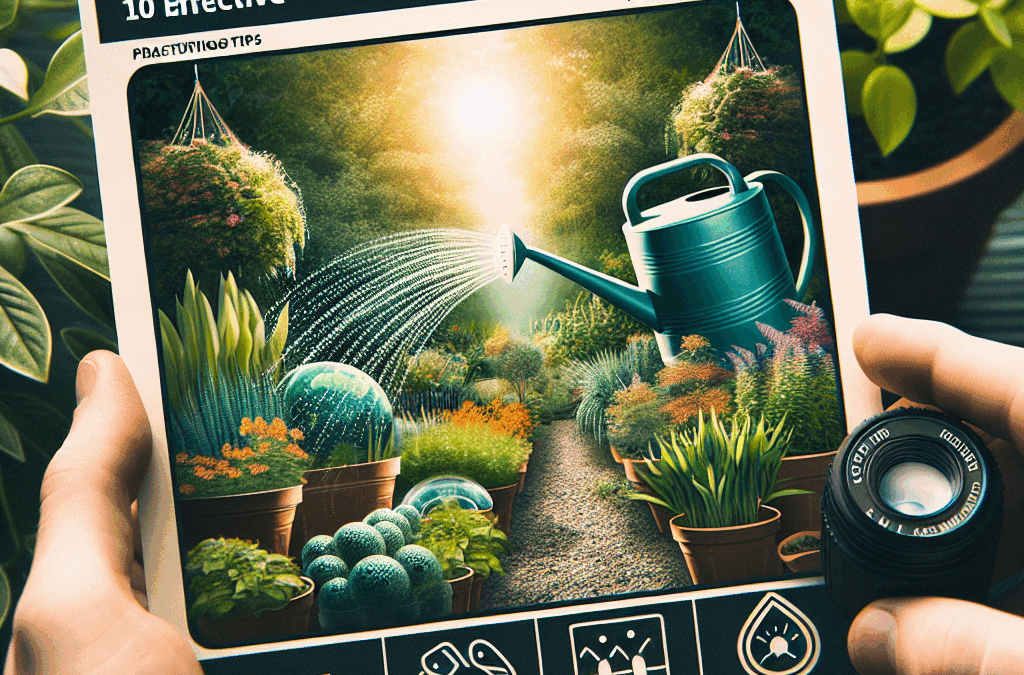
Choosing the right soil mix is crucial for container gardening success. Unlike traditional gardens, containers can quickly dry out, leading to root stress. A well-balanced mix not only retains moisture but also allows excess water to drain, preventing root rot. Additionally, nutrient-rich compost promotes healthy growth, while perlite or vermiculite enhances aeration, encouraging robust root development.
A common mistake is using regular garden soil in containers, which can lead to poor drainage and compaction. Container plants require a lightweight, specialized mix that supports their unique needs. Prioritizing these factors ensures that your plants thrive, providing a lush and productive garden.
Understanding Potting Soil Components
Potting soil is a specialized blend designed for container gardening, featuring components that provide essential aeration and drainage. A quality potting mix often includes peat moss, coconut coir, and various organic matter that help retain moisture while allowing excess water to escape. This balance is vital, as container plants are more susceptible to water stress compared to those planted directly in the ground.
When selecting potting soil, look for options that are lightweight and free from additives that could hinder plant growth. Many commercial mixes are available, but understanding the components can help you make informed choices. For instance, peat moss is excellent for moisture retention, while perlite is ideal for enhancing aeration. Knowing how these materials work together will help you create a thriving environment for your plants.
Furthermore, consider the specific needs of the plants you intend to grow. Some plants, like succulents, require a drier mix, while others may thrive in a moisture-retentive blend. Tailoring your soil mix to the specific needs of your plants can significantly enhance their growth and productivity.
Creating Your Ideal Soil Mix
To create the best soil mix for thriving container gardens, combine potting soil, compost, and perlite in the right ratios. A general guideline is to use 50% potting soil, 30% compost, and 20% perlite or vermiculite. This blend ensures that your plants receive the nutrients they need while maintaining optimal drainage and aeration.
When mixing, ensure that all components are well-integrated. Start with a large container or wheelbarrow, and gradually combine the ingredients. Mixing in small batches can help maintain consistency and ensure that each container receives a balanced soil mix. Additionally, consider adding organic fertilizers to boost nutrient levels, especially for heavy feeders like tomatoes and peppers.
It’s also essential to adjust your mix based on the specific plants you’re growing. For example, if you’re planting herbs, a slightly more compact mix with less perlite may be suitable. Always monitor plant health and adjust your soil mix as needed to support optimal growth.
Common Mistakes to Avoid
One of the most significant mistakes in container gardening is using garden soil instead of a specialized potting mix. Garden soil tends to compact in containers, leading to poor drainage and root health issues. Additionally, many gardeners overlook the importance of drainage holes in containers, which are crucial for preventing waterlogging.
Another common error is neglecting to refresh the soil mix periodically. Over time, nutrients can deplete, and soil structure can break down. It’s advisable to replace or amend your soil mix every growing season to maintain optimal health.
Moreover, be cautious about overwatering. While a good soil mix retains moisture, it doesn’t mean your plants should be constantly wet. Understanding the moisture needs of your plants and adjusting your watering practices accordingly will help prevent root rot and other moisture-related problems.
Maintaining Soil Health
To maintain soil health in your container gardens, consider practices such as regular fertilization and monitoring moisture levels. Organic fertilizers can provide essential nutrients without the risk of chemical build-up. Additionally, incorporating compost into your soil mix can enhance nutrient content over time.
Monitoring moisture is another critical aspect. Use a moisture meter or simply check the top inch of soil; if it feels dry, it’s time to water. Be mindful of seasonal changes, as container plants may require different watering frequencies in warmer months compared to cooler ones.
Lastly, periodically inspecting your plants for signs of stress or nutrient deficiency can help you address issues before they escalate. By remaining proactive in your care routine, you can ensure your container garden remains vibrant and productive.
Further Reading
Authoritative Sources
- MedlinePlus
medlineplus.govConsumer-friendly medical and health information from the U.S. National Library of Medicine.
- National Institutes of Health
nih.govResearch-based health information and links to authoritative medical resources.
- Centers for Disease Control and Prevention
cdc.govOfficial public health guidance, prevention resources, and topic-specific recommendations.
- Mayo Clinic
mayoclinic.orgTrusted clinical guidance, symptom explainers, and treatment overviews.
- World Health Organization
who.intGlobal health guidance, fact sheets, and evidence-based public health information.
Frequently Asked Questions
What is the best soil mix for container gardening?
The ideal soil mix includes 50% potting soil, 30% compost, and 20% perlite or vermiculite for optimal drainage and nutrient retention.
Can I use regular garden soil in containers?
No, regular garden soil can compact in containers, leading to poor drainage and root health issues. Use a specialized potting mix instead.
How often should I refresh my container soil?
It’s advisable to refresh or amend your container soil mix every growing season to maintain optimal nutrient levels and soil structure.
What are signs of nutrient deficiency in container plants?
Signs include yellowing leaves, stunted growth, and poor flowering. Regular monitoring can help you address these issues promptly.
How can I improve drainage in my container garden?
Ensure your containers have drainage holes and consider adding perlite or sand to your soil mix to enhance drainage capabilities.
Conclusion
All in all, the best soil mix for thriving container gardens combines potting soil, compost, and perlite in specific ratios to ensure optimal growth conditions. By understanding the components and their roles, you can create a tailored mix that meets the needs of your plants. Avoid common pitfalls like using garden soil and neglecting soil health, and you’ll foster a vibrant container garden that flourishes throughout the growing season.


