
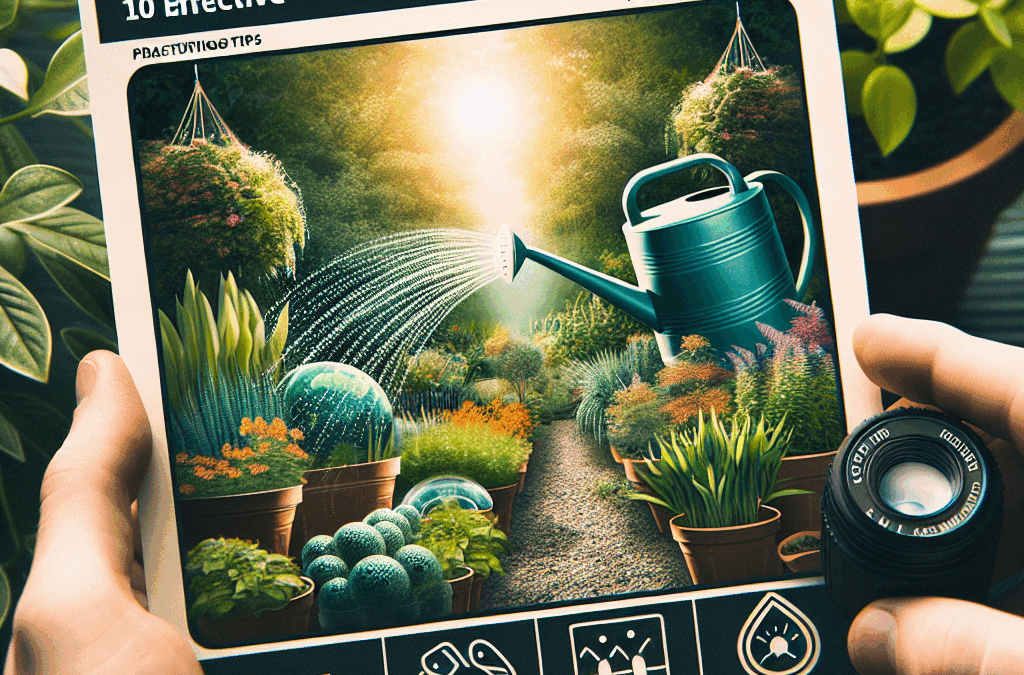
The most beginner friendly container garden crops include tomatoes, peppers, lettuce, basil, and mint. These plants are well-suited for small spaces and require minimal upkeep, making them perfect for novice gardeners. To enhance your success, choose determinate tomato varieties that stay compact and opt for pots with proper drainage to prevent root rot. Additionally, consider growing leafy greens like lettuce, which can be harvested multiple times, providing a continuous yield. With the right containers and care, you can enjoy a thriving garden even in limited areas.
Choosing the Right Container
Choosing the right container is crucial for successful container gardening. Opt for pots that are at least 12 inches deep and wide to accommodate root growth. Drainage is vital; ensure your containers have drainage holes to prevent waterlogging, which can lead to root rot. Additionally, consider the material of the container. Terra cotta pots are breathable but can dry out quickly, while plastic pots retain moisture better but may not provide as much airflow.
When selecting containers, think about the crops you want to grow. Larger plants like tomatoes and peppers require more space, while smaller herbs can thrive in smaller pots. Using various container sizes allows for a diverse garden, maximizing your growing potential in limited space.
Top Vegetables for Container Gardening
Some of the most beginner friendly container garden crops are vegetables that thrive in smaller spaces. Tomatoes are a popular choice due to their high yield and ease of growth. Choose determinate varieties that grow to a manageable size and require less staking. Peppers, both sweet and hot, are also adaptable to containers and can produce fruit in a relatively short time.
Lettuce and other leafy greens are excellent choices for quick harvests. They can be sown densely and harvested continuously, allowing for multiple cuttings from the same plants. Radishes and green beans are also great options, as they grow quickly and do not require extensive care, making them perfect for novice gardeners.
Best Herbs for Beginners
Herbs like basil, mint, and parsley are some of the easiest to grow in containers. Basil thrives in warm weather and can be harvested regularly, encouraging bushier growth. Mint is particularly hardy and can spread quickly, so it’s best to plant it in its own container to prevent it from overtaking other plants.
Parsley is a biennial herb that can be grown from seeds or transplants. It prefers partial shade and can tolerate cooler temperatures, making it versatile for different growing conditions. These herbs not only enhance your cooking but also attract beneficial insects to your garden.
Common Mistakes to Avoid
One common mistake new container gardeners make is overwatering. It’s essential to check the soil moisture before watering, as containers can dry out quickly but can also retain too much water if overwatered. Another mistake is not providing enough sunlight; most vegetables and herbs require at least 6 hours of direct sunlight daily.
Additionally, neglecting to fertilize can hinder plant growth. Container plants often deplete nutrients quickly, so using a balanced liquid fertilizer every few weeks can help sustain healthy growth. In closing, overcrowding plants in containers can lead to competition for resources, which may stunt their growth or lead to poor yields.
Frequently Asked Questions
What are the easiest vegetables to grow in containers?
Tomatoes, peppers, lettuce, and radishes are among the easiest vegetables to grow in containers, as they thrive in limited space and offer quick yields.
How often should I water container plants?
Container plants typically need watering every 1-3 days, depending on the size of the pot, the weather, and the type of plant.
Can I grow herbs in small containers?
Yes, many herbs like basil, mint, and parsley thrive in small containers, making them ideal for container gardening.
What is the best soil for container gardening?
A high-quality potting mix that retains moisture while providing good drainage is the best choice for container gardening.
How can I prevent pests in my container garden?
Regularly inspect your plants, use organic pesticides if necessary, and introduce beneficial insects like ladybugs to help control pest populations.
Conclusion
Growing container crops can be a rewarding experience for beginners. By selecting the right container, choosing suitable vegetables and herbs, and avoiding common mistakes, you can enjoy a fruitful garden even in limited spaces. Focus on providing adequate sunlight, water, and nutrients to your plants, and consider experimenting with different crops to discover what works best for your gardening style. Start small and gradually expand your container garden as you gain confidence and experience.


