
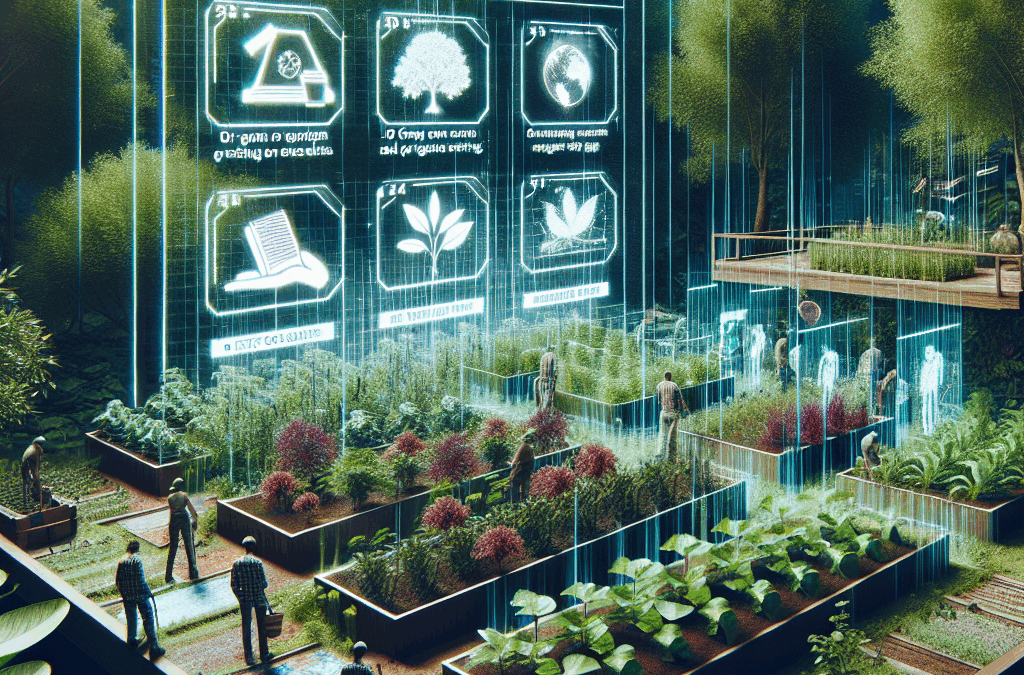
Understanding the principles behind effective garden layouts is essential for any gardener aiming to increase their harvest. Key factors include sun exposure, soil quality, and water management. Mistakes often stem from overcrowding plants or neglecting the needs of different species. Prioritizing compatibility and growth habits will lead to healthier plants and a more bountiful yield.
Many gardeners overlook the importance of planning their layouts according to the seasons and local climate. For instance, some plants may thrive in cooler months, while others require the heat of summer. A well-thought-out layout accommodates seasonal changes, ensuring that every inch of the garden is utilized effectively throughout the year.
Understanding Plant Compatibility
Plant compatibility is crucial for creating an efficient garden layout. Certain plants thrive when grown together, while others may inhibit each other’s growth. For example, tomatoes and basil are known to enhance each other’s flavors and growth rates. Implementing companion planting not only maximizes space but also reduces pest problems and improves pollination.
To achieve the best results, it’s vital to research which plants work well together. Many gardeners make the mistake of planting species that compete for resources, leading to poor yields. Focus on groupings that benefit from shared nutrients and space to ensure a thriving ecosystem in your garden.
Prioritize planting tall crops, like sunflowers, on the northern side of your garden to avoid shading shorter plants. This simple adjustment can significantly impact your overall yield by ensuring all plants receive adequate sunlight.
Utilizing Vertical Space
Vertical gardening is an effective method to maximize your garden’s footprint. By growing plants upwards, you can increase your yield without expanding your garden area. This technique is particularly beneficial for vining plants like cucumbers and peas, which can be trained to grow on trellises or fences.
Many gardeners underestimate the potential of vertical gardening. It not only saves space but also improves air circulation and reduces disease risk among plants. Additionally, using vertical space can make gardening more accessible, especially for those with limited mobility.
Consider incorporating vertical planters or hanging pots for herbs and smaller plants. This approach allows for diverse planting options and can create an aesthetically pleasing garden that is both functional and attractive.
Implementing Raised Beds
Raised beds are another effective strategy for maximizing garden yield. They provide better drainage, improve soil quality, and allow for earlier planting in the spring. By elevating the soil, gardeners can also reduce soil compaction and improve root health.
One common mistake is underestimating the dimensions of raised beds. Wider beds may seem appealing, but they can make it difficult to reach the center without stepping on the soil. Aim for a width that allows easy access from either side, typically no more than four feet.
Additionally, consider the materials used for your raised beds. Wood is a popular choice, but be mindful of potential chemical leaching. Opt for untreated wood or alternative materials like stone or composite lumber to ensure a safe growing environment.
Seasonal Planting Strategies
Seasonal planting strategies play a vital role in achieving maximum yield. By understanding the planting and harvesting schedule for different crops, gardeners can ensure continuous production throughout the year. For instance, intercropping fast-growing plants with slower-growing varieties can optimize space and resources.
Many gardeners overlook the timing of their plantings, leading to either overcrowding or underutilization of space. By staggering plantings and utilizing succession planting techniques, you can maintain a steady supply of fresh produce. This approach not only maximizes yield but also minimizes waste.
Consider using a crop rotation plan to enhance soil fertility and reduce pest issues. Rotating crops annually can help maintain soil health and prevent nutrient depletion, ensuring your garden remains productive over time.
Further Reading
Authoritative Sources
- Iowa State University Extension and Outreach
extension.iastate.eduThis resource offers extensive research on maximizing garden yields through efficient layouts and planting strategies
- Harvard University Extension School
extension.harvard.eduProvides guidance on gardening techniques, including companion planting and vertical gardening
- Rodale's Organic Life
rodalesorganiclife.comA comprehensive guide to organic gardening practices that enhance yield and sustainability
Frequently Asked Questions
How can I maximize my garden yield?
Maximizing garden yield involves strategic planning, such as utilizing companion planting, vertical gardening, and raised beds to optimize space and resources.
What are the best plants for companion planting?
Some of the best companion plants include tomatoes with basil, carrots with onions, and beans with corn, as they enhance growth and deter pests.
What is the benefit of raised beds?
Raised beds improve drainage, soil quality, and root health while allowing for earlier planting and easier access for gardeners.
How does vertical gardening work?
Vertical gardening involves growing plants upwards using trellises or wall planters, maximizing space and improving air circulation.
When should I plant my vegetables?
Planting times vary by vegetable type, but generally, cool-season crops are planted in early spring, while warm-season crops are planted after the last frost.
Conclusion
In closing, the most efficient garden layout for maximum yield requires careful planning and consideration of plant compatibility, space utilization, and seasonal strategies. By implementing techniques such as companion planting, vertical gardening, and raised beds, gardeners can significantly enhance their productivity. Prioritizing these methods will lead to healthier plants and a more abundant harvest, ensuring that every square foot of your garden is utilized effectively. Start by assessing your available space and resources, and make adjustments to your layout for optimal results.


