
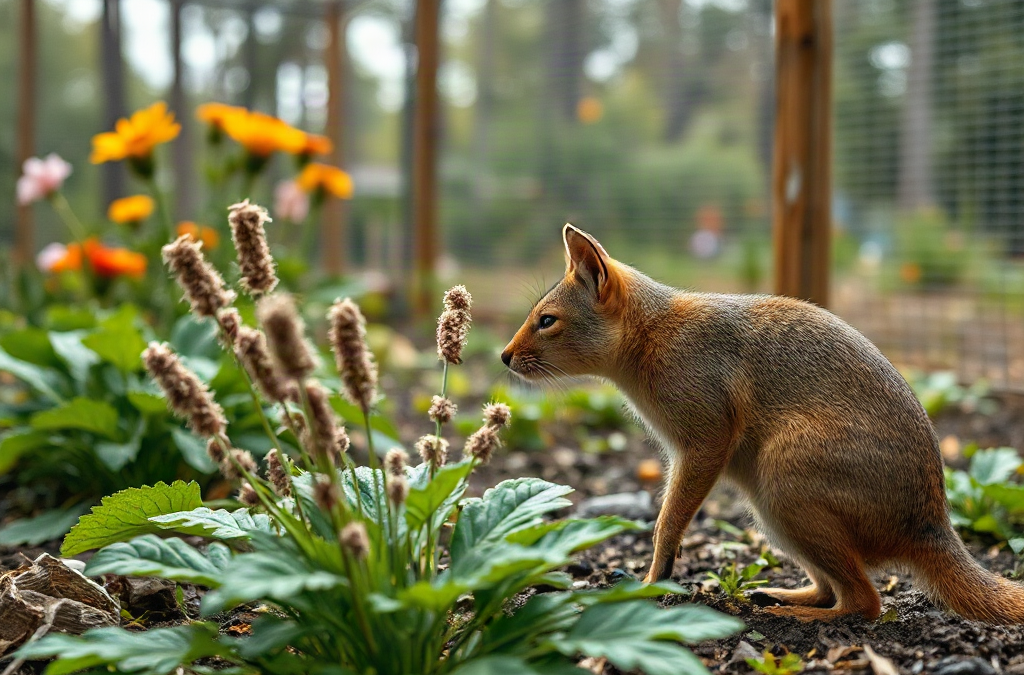
When your garden is under attack by animals, Cover young crops with mesh, use buried fencing where digging is evident, and secure compost, fallen fruit, and accessible birdseed. Inspect protection often because a loose edge or small opening can make an otherwise effective barrier useless. Avoid scattering repellents before confirming the culprit, since rain, repeated exposure, and incorrect placement often reduce their value. Replant damaged crops only after checking whether the animal is still entering and whether the remaining plants can recover.
Identify The Animal Before Choosing A Fix
Animal damage becomes much easier to manage once the likely visitor is identified. A clean row of clipped seedlings may point to rabbits or deer, while shallow holes, overturned mulch, and disturbed soil suggest digging animals such as squirrels, raccoons, or skunks. Slugs and insects can also be mistaken for animal attacks, particularly when leaves show ragged edges without obvious tracks.
Examine the damage at different heights. Deer often browse the tender tops of plants and may leave torn stems, whereas rabbits commonly cut stems close to the ground with a neat, angled appearance. Birds may peck fruit or pull seedlings, and rodents may leave small tooth marks on squash, melons, or root crops. Look for tracks after rain or on loose soil, droppings near feeding areas, and narrow paths through grass.
A motion-activated camera is useful when damage occurs overnight, but simple observation can be enough. Place a sheet of smooth soil or fine sand beside a damaged bed and check it the next morning. The goal is not perfect identification; it is enough certainty to choose a barrier that addresses the animal’s movement. A low chicken-wire skirt will not stop deer, and a tall fence with a gap at the bottom may fail against rabbits.
Photograph the affected plants before repairing them. Compare fresh damage with older damage over several days to determine whether the attack is continuing. A common mistake is treating every missing leaf with the same spray. That approach wastes time, may expose pollinators or pets unnecessarily, and does nothing when the real problem is an opening under a fence.
For related planting and protection decisions, use this animal-damage planning reference alongside a written record of dates, weather, and observed visitors.
Remove Attractants And Protect Vulnerable Crops
Physical exclusion works better when the garden is not offering an easy meal. Remove ripe produce promptly, collect windfallen fruit, and keep compost covered if it contains kitchen scraps. Bird feeders positioned beside vegetable beds can draw squirrels, raccoons, and other animals toward crops. Pet food left outdoors has a similar effect.
Prioritize the plants that are easiest to reach and most expensive to lose. Newly transplanted lettuce, beans, peas, sweet corn, strawberries, and young fruit trees are often more vulnerable than mature, tougher foliage. A temporary cover over a fresh planting can preserve the crop during the period when it is most attractive and least able to recover.
Do not assume that removing food will make an established visitor disappear immediately. Animals may return to a familiar route even after the original attraction is gone. Combine sanitation with a barrier, and keep the surrounding area less sheltered by trimming dense vegetation near the bed while preserving habitat you intentionally want elsewhere.
Watering practices can also influence visits. Damp soil may attract animals searching for worms, while a dripping hose or leaking irrigation line creates a dependable water source. Repair leaks and avoid leaving shallow containers of water beside edible plants. These changes are modest, but they reduce the reward an animal receives for entering.
A useful short-term priority list is:
- Harvest ripe food and remove fallen produce.
- Cover seedlings and fruit that can be protected immediately.
- Close gaps beneath gates, raised beds, and shed walls.
- Move feed, pet food, and unsecured compost away from the growing area.
The tradeoff is convenience. Frequent harvesting and covered beds require more attention, but they are generally safer and more predictable than repeatedly applying a repellent whose odor fades after rain.
Match Fencing And Covers To Animal Behavior
The best barrier is designed around how the animal reaches the crop. Deer need a tall, stable enclosure because they browse from above and can jump ordinary low fencing. Rabbits need a smaller mesh opening and protection along the ground, where they may squeeze beneath a fence or dig at its edge. Birds are better addressed with overhead netting supported above plants so they cannot peck through the mesh.
For rabbits and similar small mammals, attach narrow-gauge wire mesh to sturdy stakes and extend the lower edge outward or bury it shallowly to discourage digging. Check corners and gate areas first; those locations commonly fail because the fence is not tight against the soil. For deer, a complete enclosure is usually more dependable than scattered visual deterrents. If a full fence is not practical, protect the highest-value bed rather than spreading weak coverage across the entire plot.
Netting must be secured without trapping wildlife. Keep it taut, inspect it for tears, and use mesh appropriate to the animal and crop. Loose netting can ensnare birds or small mammals, while overly fine material may restrict access for pollinators if left over flowering plants. Remove or open covers when pollination is needed unless the crop is self-pollinating or hand-pollination is planned.
Raised beds do not automatically solve animal problems. A rabbit can jump into a low bed, and a squirrel can reach a container garden from a fence or tree. Conversely, a simple framed cover may protect a small salad bed more effectively than an expensive perimeter fence. Choose the smallest area that can be enclosed securely when budget, appearance, or access limits a larger installation.
Inspect barriers after storms and after the first signs of renewed damage. Look for bent stakes, lifted corners, chew marks, and soil pushed against the fence. A barrier that works for a week but is never inspected eventually becomes an invitation. Connect protection with your garden damage checklist so repairs happen before the next feeding visit.
Use Repellents, Monitoring, And Humane Escalation
Repellents can be useful as a supporting measure, but they should not replace exclusion when an animal has dependable access to food. Commercial products vary in their active ingredients, target animals, weather resistance, and restrictions around edible crops. Read the label carefully, follow harvest intervals where provided, and avoid applying any product to food plants unless the label specifically permits that use.
Home remedies often fail because their effect is temporary or because the animal becomes accustomed to them. Strong-smelling materials may lose potency after rain, and visual objects such as pinwheels or reflective strips can become ordinary background features. If you use a scent or visual deterrent, change its position periodically and judge it by fresh damage rather than by whether the garden smells unusual.
Motion-activated lights or sprinklers can interrupt nocturnal visits, especially when a problem is newly developing. They are less reliable when the animal is highly motivated by ripe food or has multiple routes into the area. Place the device where movement actually occurs, not merely near the most visible plant. Test it at night and check that foliage, pets, or wind do not trigger it constantly.
Live trapping and relocation raise welfare, disease, and local-law concerns. Do not handle wildlife casually, and do not assume relocation is humane or permitted. If a large, persistent, or potentially dangerous animal is entering the garden, contact the relevant local wildlife agency or a qualified wildlife-control professional. Never use poisons or improvised traps around food crops, children, pets, or non-target wildlife.
Measure success with three observations: fewer fresh feeding marks, no new tracks inside the protected area, and undisturbed covers after several nights. A common failure is adding more deterrents without checking the original barrier. Monitoring tells you whether the animal has stopped entering, changed its route, or is simply feeding at a different bed.
Repair Damage And Prevent The Next Attack
Plants can recover when the growing point and roots remain intact, but recovery depends on the type of damage. A seedling bitten to the soil may need replacing, while a partially browsed kale plant can produce new leaves after protection is restored. Remove badly crushed stems, water consistently, and avoid heavy feeding immediately after damage; stressed roots may not use extra fertilizer well.
Check plants for secondary problems before replanting. Torn stems provide entry points for rot, exposed roots dry quickly, and compacted soil around a dug bed can interfere with new growth. Firm loose soil gently, restore mulch without burying stems, and observe whether leaves remain upright during the day. If a plant continues wilting despite adequate moisture, replacing it may be more practical than trying to nurse it through severe root injury.
Use the incident to improve the garden’s weak points. Record where the animal entered, what crop attracted it, and which protection failed. A rabbit problem may call for buried mesh, while repeated bird damage to berries may justify a supported net frame. Deer browsing across several beds may make a dedicated fenced area more sensible than buying multiple odor-based products.
Planting variety can reduce the consequences of a single visit. Staggered sowings, a few replacement seedlings, and crops with different harvest periods prevent one night of feeding from ending the season’s entire supply. That does not make crops unattractive, but it gives the garden resilience while a permanent fix is being installed.
Recheck the system whenever crops change height or begin fruiting. A cover that protected seedlings may become too small, and a fence hidden by weeds may develop gaps. Animal management is successful when the garden remains productive without creating unsafe conditions for wildlife, household members, or pets.
Frequently Asked Questions
How can I tell whether deer or rabbits damaged the plants?
Deer usually browse higher foliage and leave torn stems, while rabbits often cut low stems cleanly and leave damage close to the ground. Tracks and droppings can strengthen the identification.
Will coffee grounds keep animals out of a garden?
Coffee grounds are not a dependable barrier. They may alter the smell briefly, but rain and animal motivation can quickly overcome that effect. Use a physical cover or fence for reliable protection.
Should damaged plants be removed immediately?
Remove plants with destroyed stems or severe root disturbance, but leave partially browsed plants if the growing point and roots remain healthy. Protect them and watch for new growth before replacing them.
What is the safest way to protect vegetables from birds?
Use taut, supported netting that cannot entangle birds and inspect it regularly. Keep it off flowering plants when pollinator access is needed, unless the crop does not require insect pollination.
When should I call a wildlife professional?
Seek qualified help when a large, aggressive, persistent, or denning animal poses a risk, or when trapping and removal may be regulated locally. Avoid poisons and improvised traps.
Conclusion
Animal damage is best handled as an access problem rather than a contest of increasingly strong repellents. Confirm the visitor from feeding patterns and tracks, remove easy food and water sources, then protect the most vulnerable crop with a barrier designed for that animal’s movement. Check gates, corners, ground-level gaps, and overhead access because small failures often explain continued losses. Repellents, lights, and sprinklers may supplement exclusion, but they are less dependable when ripe produce remains available. Repair only plants with a realistic chance of recovery, record what failed, and upgrade protection before replanting. A secure, well-monitored bed usually delivers better long-term results than treating every new symptom separately.
Further Reading
Authoritative Sources
- Cooperative Extension Gardening Resources
extension.orgResearch-based gardening, soil, plant-care, and home-growing education.
- USDA National Agricultural Library
nal.usda.govAgricultural and plant-science research resources.
- EPA Safe Pest Control
epa.govOfficial information for safer pest-management decisions.
- USDA NRCS Soil Resources
nrcs.usda.govOfficial soil health, conservation, and water-management information.


