
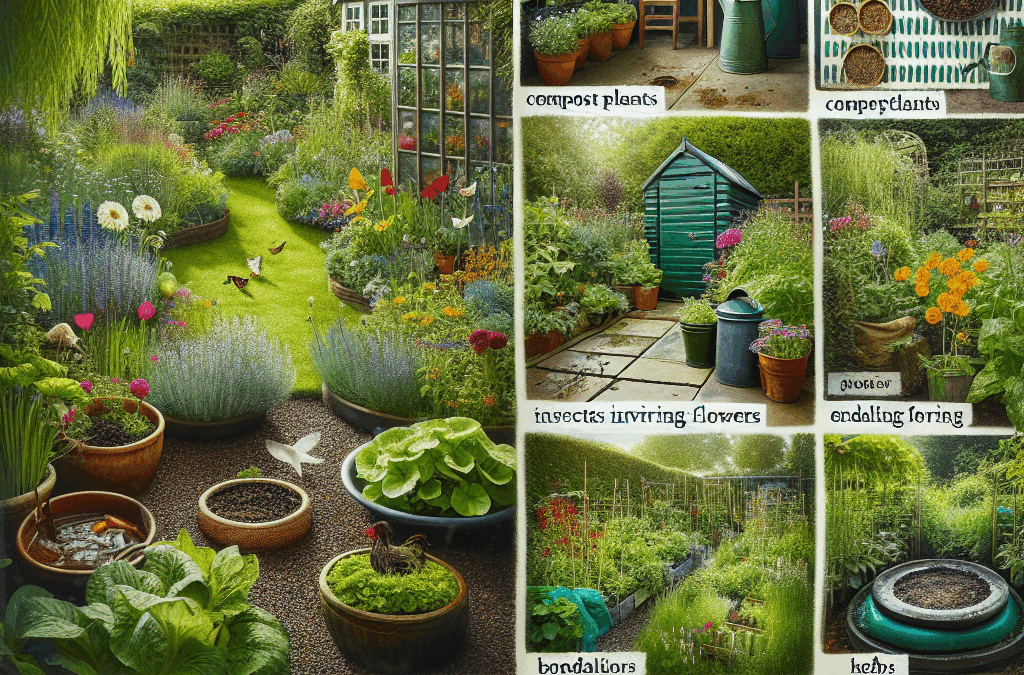
When choosing crops for partial sun, consider their growth patterns and how they interact with surrounding plants. For instance, leafy greens not only tolerate shade but can also benefit from the cooler temperatures that come with less direct sunlight. Conversely, root vegetables may struggle if they are overshadowed for too long, leading to stunted growth. Prioritizing the right crops can lead to a successful harvest even in less-than-ideal lighting conditions.
Additionally, it’s essential to be mindful of common mistakes gardeners make when planting in partial sun. Many assume that all crops can adapt to lower light levels, which isn’t the case. For example, fruiting plants like tomatoes and peppers require more sunlight to produce effectively. Understanding the unique requirements of each crop will help you avoid disappointment and ensure a bountiful garden.
Best Leafy Greens for Partial Sun
Leafy greens are some of the best crops for partial sun, thriving in conditions where sunlight is limited. Varieties like spinach, kale, and Swiss chard can grow well with just a few hours of direct sunlight each day. These greens not only adapt to lower light but often develop a sweeter flavor when grown in cooler, shaded conditions.
When planting leafy greens, ensure the soil is rich in organic matter to support their growth. A well-draining mix will prevent root rot, which can be more prevalent in shaded areas. Additionally, consider staggering planting times to ensure a continuous harvest throughout the growing season. This approach allows you to enjoy fresh greens even when sunlight is scarce.
Many gardeners overlook the importance of water management in shaded areas. While leafy greens require consistent moisture, overwatering can lead to fungal diseases. Monitor the soil moisture levels closely and adjust your watering schedule based on the weather and plant needs.
Ideal Root Vegetables for Shaded Areas
Root vegetables like carrots, radishes, and beets can also thrive in partial sun. These crops typically need around 4 to 6 hours of sunlight daily and can often be grown in areas that receive dappled light throughout the day. Their underground growth means they are less affected by shading from taller plants.
When growing root vegetables, planting them in loose, well-draining soil is crucial for optimal development. Compacted soil can hinder root growth, leading to smaller or misshapen vegetables. Additionally, consider companion planting with leafy greens, as they can provide necessary shade while allowing root vegetables to flourish.
One common mistake is planting root vegetables too deeply. Follow seed packet instructions for proper planting depth, as burying seeds too deep can inhibit germination and growth. Regular thinning of seedlings is also essential to ensure each plant has enough space to grow.
Herbs That Thrive in Low Light
Herbs such as parsley, cilantro, and mint are excellent choices for partial sun gardens. These herbs can flourish with just 3 to 4 hours of sunlight daily and can even benefit from the cooler temperatures found in shaded areas. Incorporating herbs into your garden not only enhances your culinary options but also attracts beneficial insects.
When planting herbs, ensure they are spaced adequately to allow for airflow and prevent disease. Many herbs can be grown in containers, making them versatile for various garden setups, including patios or balconies that receive limited light. Regular harvesting encourages growth and prevents herbs from becoming leggy.
It’s also vital to monitor for pests, as shaded areas can create a humid environment conducive to certain insects and diseases. Regularly inspect your herbs and use organic pest control methods to maintain a healthy crop.
Common Mistakes to Avoid
Many gardeners make critical mistakes when planting in partial sun, often leading to disappointing results. One common error is underestimating the light needs of various plants. While some crops tolerate shade, others require more sunlight, so it’s essential to research each plant’s specific requirements before planting.
Another mistake is overcrowding plants. In shaded areas, plants may compete for limited light, leading to weak growth. Ensure adequate spacing between plants to allow them to receive as much light as possible. Additionally, regularly rotating crops can help maintain soil health and reduce pest problems.
In closing, many gardeners neglect soil health, which is especially crucial in shaded areas where moisture levels are higher. Regularly amend the soil with organic matter and ensure proper drainage to prevent root rot and other diseases.
Further Reading
Authoritative Sources
- MedlinePlus
medlineplus.govConsumer-friendly medical and health information from the U.S. National Library of Medicine.
- National Institutes of Health
nih.govResearch-based health information and links to authoritative medical resources.
- Centers for Disease Control and Prevention
cdc.govOfficial public health guidance, prevention resources, and topic-specific recommendations.
- Mayo Clinic
mayoclinic.orgTrusted clinical guidance, symptom explainers, and treatment overviews.
- World Health Organization
who.intGlobal health guidance, fact sheets, and evidence-based public health information.
Frequently Asked Questions
What crops can I grow in shaded areas?
Leafy greens, root vegetables, and certain herbs thrive in shaded areas, including spinach, carrots, and mint.
How much sunlight do partial sun crops need?
Crops that grow best in partial sun typically require 3 to 6 hours of direct sunlight each day.
Can I grow tomatoes in partial sun?
Tomatoes require full sun and generally do not thrive in partial sun; they need at least 6 to 8 hours of sunlight daily for optimal growth.
What should I avoid when planting in partial sun?
Avoid overcrowding plants and ensure proper spacing to maximize light exposure and air circulation.
How can I improve soil quality in shaded areas?
Regularly amend the soil with organic matter and ensure proper drainage to maintain healthy root systems.
Conclusion
Choosing the right crops for partial sun can lead to a thriving garden even in less-than-ideal lighting conditions. Focus on leafy greens, root vegetables, and herbs that can adapt to limited sunlight. Be mindful of common mistakes, such as overcrowding and neglecting soil health. By understanding the unique needs of these plants and providing proper care, you can enjoy a successful harvest from your shaded garden spaces.


