
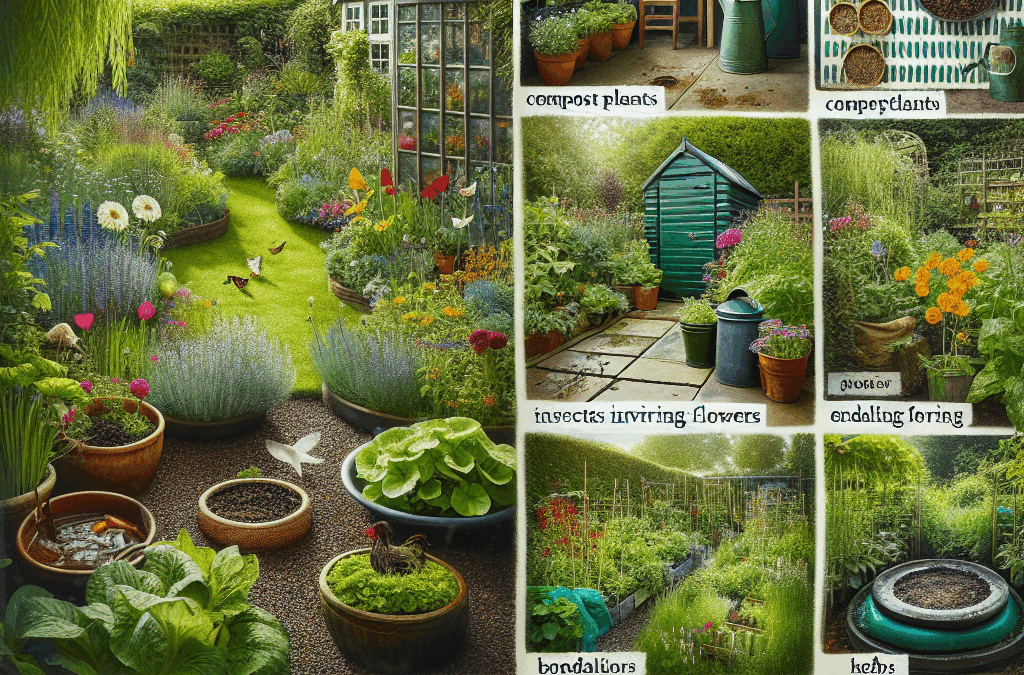
Choosing the right mulch is crucial for maximizing these benefits. For instance, while organic mulches enhance soil fertility, inorganic options like gravel may be suitable for drought-resistant plants. The choice of mulch affects not only plant health but also the overall garden ecosystem. Failure to use appropriate mulch can lead to excessive moisture loss or weed proliferation, which can harm plants.
Common mistakes include using too thick a layer of mulch, which can suffocate plant roots, or selecting the wrong type of mulch for specific plants. It’s essential to apply mulch appropriately, considering the needs of each plant species and local climate conditions. Proper mulching techniques can lead to healthier plants and a more productive garden.
Benefits of Mulching for Plants
Mulching offers numerous benefits that directly enhance plant growth and soil quality. It plays a vital role in moisture retention, which is crucial for plant health, especially during dry spells. A well-mulched garden can reduce the need for frequent watering, saving time and resources. Furthermore, mulch helps regulate soil temperature, creating a more stable environment for root development.
Additionally, mulch acts as a barrier against weeds, which compete with plants for nutrients and water. By suppressing weed growth, plants can access the resources they need without unnecessary competition. Organic mulches also improve soil structure as they break down, enriching the soil and promoting beneficial microbial activity.
However, it’s important to consider the type of mulch used, as some materials can introduce pests or diseases if not properly managed. Regular monitoring of the mulched area is essential to ensure optimal growth conditions.
Choosing the Right Mulch
Selecting the right mulch is critical for achieving the desired benefits. Organic mulches, such as bark chips, straw, or grass clippings, are excellent for enriching the soil, while inorganic options, like gravel or plastic, may be better for specific applications, such as paths or around drought-tolerant plants.
When selecting mulch, consider the specific needs of the plants you are growing. For example, strawberries benefit from straw mulch, which helps keep the fruit clean and reduces rot. On the other hand, wood chips are ideal for perennials as they break down slowly, providing long-term benefits.
Another factor to consider is the local climate. In regions with heavy rainfall, using a lighter mulch can prevent waterlogging, while in arid areas, heavier mulches can help retain moisture. Tailoring mulch choices to the environment and plant types ensures optimal growth.
Common Mistakes in Mulching
Many gardeners make mistakes when applying mulch that can negate its benefits. One common error is applying mulch too thickly, which can lead to root suffocation and hinder water penetration. Ideally, mulch should be applied in a 2-3 inch layer, allowing for adequate airflow and moisture exchange.
Another mistake is failing to choose the right type of mulch for specific plants. For instance, using dyed mulch can introduce chemicals harmful to sensitive plants. It’s also essential to keep mulch away from the plant stems to prevent rot and disease.
Regular maintenance is vital; mulch should be replenished as it breaks down. Neglecting to refresh mulch can lead to reduced effectiveness and the need for more intensive care later on.
Plants That Thrive with Mulching
Several plants particularly benefit from mulching. Tomatoes and peppers enjoy the moisture retention and temperature regulation that mulch provides, leading to increased yields. Perennials like hostas and daylilies thrive with organic mulching, which enhances their growth and flowering.
Additionally, fruit-bearing plants such as strawberries and blueberries benefit significantly from mulch, which helps keep fruits clean and reduces disease risk. Herbaceous plants can also thrive with the right mulch, as it provides a stable environment for root systems.
Understanding the specific needs of these plants will help gardeners choose appropriate mulching strategies, ensuring healthy, productive growth.
Further Reading
Authoritative Sources
- USU Extension: Mulching
extension.orgProvides comprehensive guidelines on effective mulching practices for various plants
- Gardening Know How: Mulching Tips
gardeningknowhow.comOffers insights into different types of mulch and their benefits for garden plants
Frequently Asked Questions
What is the best type of mulch for vegetable gardens?
Organic mulches like straw, grass clippings, and shredded leaves are ideal for vegetable gardens as they enhance soil fertility and moisture retention.
How often should I refresh my mulch?
Mulch should be refreshed every year or as it decomposes, typically every 1-2 years, depending on the type used and local conditions.
Can I use rocks as mulch?
Yes, rocks can be used as mulch in certain situations, particularly for drought-tolerant plants, but they do not improve soil quality like organic mulches.
How thick should mulch be applied?
A 2-3 inch layer of mulch is recommended to prevent weed growth and retain moisture without suffocating plant roots.
What plants should not be mulched?
Plants that prefer dry conditions, such as succulents and certain herbs, should be mulched sparingly to avoid excess moisture retention.


