
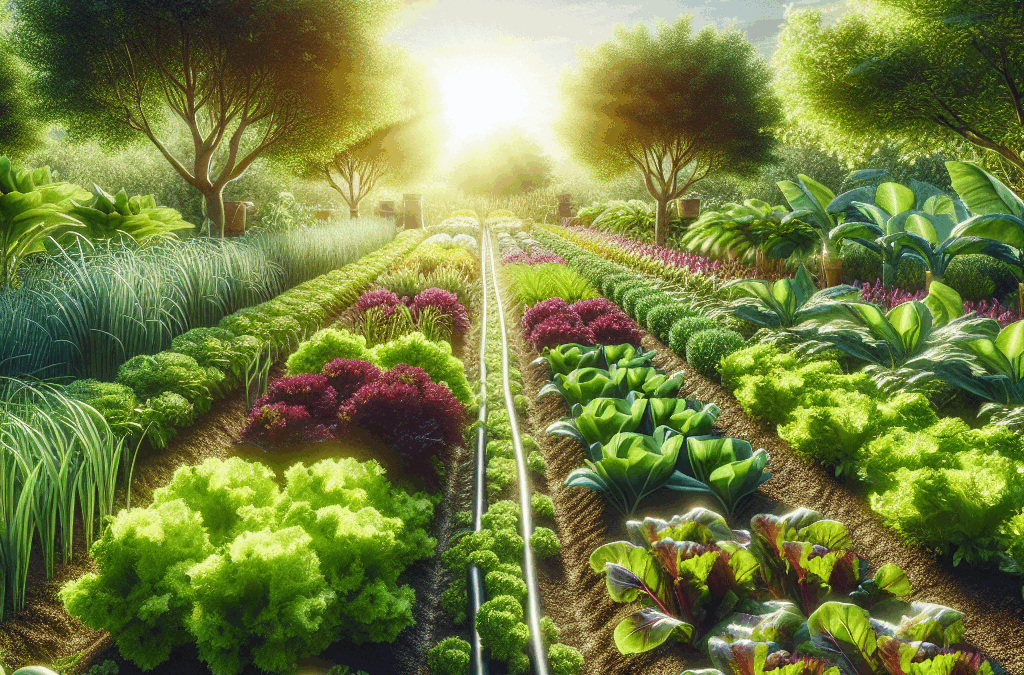
The most efficient garden layout for maximum yield
Are you looking to enhance your gardening skills and increase your produce output? Understanding The most efficient garden layout for maximum yield is crucial for both novice and experienced gardeners alike. The layout of your garden can significantly affect how much you harvest, making it essential to create an optimal plan before planting. By strategically arranging your plants, you can maximize sunlight exposure, improve soil health, and boost water retention, paving the way for a bountiful harvest.
In this article, we will explore The most efficient garden layout for maximum yield along with practical tips and strategies. From understanding different garden designs to implementing the right principles, this comprehensive guide will ensure you’re well-equipped to achieve your gardening goals. Let’s dig in!
Understanding Garden Layouts
Types of Garden Layouts
When it comes to garden layouts, several types are popular among gardeners. Each type has its benefits and can contribute to The most efficient garden layout for maximum yield. Here are a few common types:
- Row Gardens: Traditional and straightforward, row gardens are easy to maintain and allow for good access to plants.
- Square Foot Gardens: These involve dividing the garden into small squares, maximizing space and efficiency, ideal for urban gardening.
- Raised Beds: Elevating your garden beds improves drainage and soil quality while providing easier access.
- Vertical Gardens: Utilizing vertical space allows for more plants and is perfect for smaller areas.
Benefits of a Well-Planned Layout
Implementing a thoughtful garden layout can lead to numerous benefits:
- Increased yield due to better space utilization.
- Improved air circulation, reducing disease risk.
- Enhanced aesthetics, making your garden more enjoyable.
- Efficient watering, saving time and resources.
Key Principles of Efficient Layouts
Maximizing Sunlight Exposure
One of the cornerstones of The most efficient garden layout for maximum yield is ensuring that your plants receive adequate sunlight. Consider the following:
- Position taller plants on the north side of the garden to prevent shading shorter plants.
- Use reflective materials or light-colored mulches to enhance light distribution.
- Regularly prune plants to avoid overcrowding and ensure light penetration.
Soil Health and Crop Rotation
Healthy soil is vital for maximum yield. Implementing crop rotation in your garden layout can enhance soil nutrients and reduce pest buildup. Here’s how:
- Rotate different plant families each season to prevent nutrient depletion.
- Incorporate cover crops to enrich the soil during off-seasons.
- Utilize compost to improve soil structure and fertility.
The Most Efficient Garden Layout for Maximum Yield
Designing Your Garden
To achieve The most efficient garden layout for maximum yield, consider a design that incorporates companion planting. Companion planting involves pairing plants that benefit each other. For example:
- Tomatoes and Basil: Basil repels pests and enhances the flavor of tomatoes.
- Carrots and Onions: Planting these together can deter certain pests.
- Corn, Beans, and Squash: This trio, known as the Three Sisters, promotes mutual growth.
Example Layouts for Maximum Yield
Here are a couple of layout examples that demonstrate The most efficient garden layout for maximum yield:
- Intensive Gardening: Fill every available space with plants, using staggered rows and interplanting.
- Spiral Gardens: Create a spiral layout to maximize space and provide diverse growing conditions.
Implementing Your Layout
Planning Your Planting Schedule
Timing is crucial for achieving The most efficient garden layout for maximum yield. Use a planting calendar to ensure that you plant at the right time for each crop. Here are some tips:
- Plan for succession planting to extend your harvest season.
- Consider the local climate and frost dates when scheduling your planting.
- Group plants with similar watering needs together for efficiency.
Maintaining Your Garden Layout
Once your layout is established, ongoing maintenance is key to sustaining a high yield. Regular tasks include:
- Weeding to reduce competition for nutrients.
- Watering efficiently, preferably using drip irrigation.
- Monitoring for pests and diseases, and taking action promptly.
References and Resources
These resources provide valuable information about The most efficient garden layout for maximum yield. Check them out for additional insights:
Get a free subscription to PREPARE – with more gardening and homesteading tips!
Frequently Asked Questions
What is the most efficient garden layout for maximum yield?
The most efficient garden layout for maximum yield varies depending on the crops you wish to grow. Generally, layouts that incorporate companion planting and utilize vertical space tend to produce higher yields. An intensive garden layout, where every available space is utilized, can also significantly enhance productivity.
How can I achieve the most efficient garden layout for maximum yield?
To achieve the most efficient garden layout for maximum yield, start by planning your layout based on sunlight patterns and wind exposure. Use intensive planting techniques, consider vertical gardening, and apply crop rotation to maintain soil health. Additionally, make sure to regularly assess and adapt your layout based on plant performance.
What plants work best in a high-yield garden layout?
Some of the best plants for a high-yield garden layout include tomatoes, peppers, lettuce, and beans. These crops not only grow well together, but they also complement each other in terms of nutrient needs and pest management. Incorporating herbs like basil and marigolds can also help deter pests.
Is companion planting important for the most efficient garden layout for maximum yield?
Yes, companion planting is crucial for the most efficient garden layout for maximum yield. By strategically placing plants that benefit each other close together, you can enhance growth, reduce pest infestations, and optimize resource use. This approach leads to a healthier garden overall.
Further Reading
Authoritative Sources
- 8 Vegetable Garden Layout Ideas (Plans for Every Space)
almanac.comDiscover 8 common vegetable garden layout ideas—from raised beds and square-foot gardens to rows and containers. Compare options and explore ...
- Maximizing Your Garden Yield: Space Planning and ...
yanmartractor.comCompanion planting, vertical gardening, and succession planting are effective methods for increasing yield while efficiently using available space.
Conclusion
All in all, understanding The most efficient garden layout for maximum yield is essential for any gardener looking to maximize their harvest. By implementing the right strategies—such as optimizing sunlight exposure, maintaining soil health, and using effective planting techniques—you can significantly enhance your gardening success. Remember to continuously assess and adapt your approach to ensure that your garden remains productive for years to come. Now, it’s time to put these insights into practice and watch your garden flourish!


