
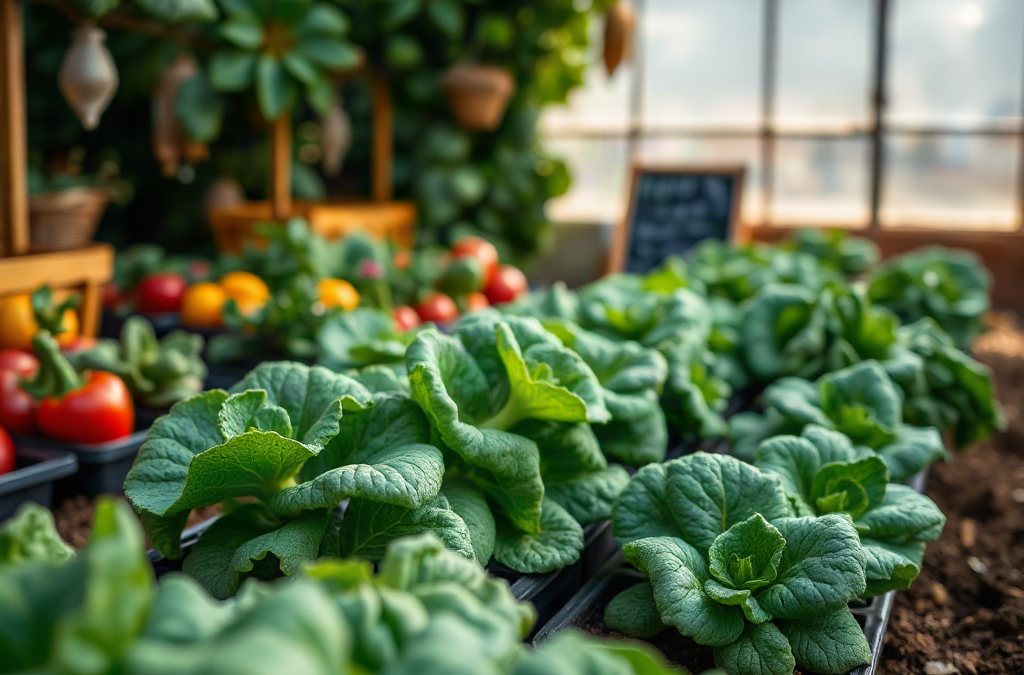
Select the best time for planting vegetables by matching each crop’s temperature needs and days to maturity with local frost dates, current soil temperature, and the length of the usable growing season. Sow hardy vegetables such as peas and spinach while conditions are cool, but delay beans, cucumbers, and squash until frost danger has passed and the soil has warmed. Count backward from expected heat or frost to confirm that a crop has enough time to mature. Treat seed-packet dates as starting points rather than guarantees, because wet soil, exposed beds, elevation, and seasonal weather can shift a safe planting window.
Build a Planting Window From Local Frost Dates
Average frost dates establish the outer boundaries of a vegetable-growing season, but they do not identify a single guaranteed planting day. The average last spring frost marks the approximate transition into frost-sensitive planting, while the average first autumn frost helps determine how long summer and fall crops can remain outside. Because these dates are averages, frost can occur before or after them in any particular year.
Begin with frost information for the closest reporting location, then account for differences between that site and the garden. A low yard where cold air settles may freeze while a nearby elevated property remains above freezing. Rural and exposed locations often cool faster at night than dense urban areas. Elevation, slope, proximity to large bodies of water, walls, pavement, and tree cover can all alter conditions at bed level.
Classify the intended crop before using the spring date. Hardy vegetables, including spinach, peas, radishes, and established kale plants, tolerate cool weather better than frost-sensitive beans, cucumbers, peppers, squash, and tomatoes. A gardener might sow peas several weeks before the average last frost yet wait until after that date to transplant tomatoes. Treating both crops alike either wastes cool growing weather or exposes the tomato plants to damaging cold.
Autumn timing requires the opposite calculation. Count backward from the average first frost rather than forward from the last spring frost. A carrot variety listed at 70 days may need more than 70 calendar days before autumn frost because germination takes time and growth slows as daylight shortens. Kale may continue producing through light frost, whereas basil can be damaged by a brief cold event.
A frequent mistake is using a broad regional planting calendar without checking the weather station, elevation, or frost assumptions behind it. Calendars offer useful ranges, not bed-specific commands. Keep a simple record of the garden’s first and last frosts for several seasons. Those observations make how to select the best time for planting vegetables a local decision rather than a guess based only on a postal code.
Match Soil and Air Temperatures to the Crop
Soil temperature controls seed germination more directly than a warm afternoon does. A few sunny hours can make the air feel suitable while the root zone remains cold and saturated. Seeds placed into those conditions may germinate slowly, rot, or emerge unevenly, leaving gaps that are easily mistaken for poor seed quality.
Measure soil temperature at the depth where the seed or transplant roots will sit. Take readings in the morning on several consecutive days rather than relying on one unusually warm afternoon. A basic soil thermometer gives a more useful signal than the calendar alone. If the bed is waterlogged, wait even when its temperature appears acceptable; working wet soil can compress its pore spaces and create clods that persist after drying.
Cool-season crops generally germinate and grow under cooler conditions than heat-loving crops. Peas, lettuce, spinach, carrots, beets, and brassicas can use the mild part of spring or autumn. Beans, sweet corn, cucumbers, melons, okra, peppers, eggplants, and squash need warmer conditions, although their exact requirements differ. Consult the seed packet or a university extension crop chart for the variety’s recommended range rather than applying one threshold to every warm-season vegetable.
Air temperature still matters after germination. A warm bed cannot protect tender leaves from frost, and persistent cold nights can stall transplants even when they survive. For example, a tomato planted after a sunny week may stop growing during a cold spell, while a tomato held briefly in a bright, protected location may establish faster once nights moderate. The earliest transplant does not necessarily produce the earliest harvest.
Gardeners can alter conditions modestly with row cover, low tunnels, cloches, dark mulch, or raised beds. These tools create buffers rather than a new climate. Covers must be secured, ventilated during warm sunshine, and prevented from pressing frozen fabric against tender foliage where possible. Raised beds often warm sooner but may also dry more quickly and fluctuate more sharply in temperature.
The common failure is reading air forecasts while ignoring the seed zone. Before planting, check soil warmth, moisture, the upcoming nighttime lows, and the crop’s tolerance together. Signs of a sound choice include prompt, reasonably uniform emergence and steady new growth. Rotting seeds, purple or stalled transplants, and repeated blank rows indicate that conditions or seed health need reassessment before replanting.
Check Days to Maturity and Seasonal Limits
Days to maturity determine whether a vegetable can finish within the available weather window. The number is usually a planning estimate under favorable conditions, not a harvest appointment. Its starting point may be sowing for direct-seeded crops or transplanting for crops normally started indoors, so read the packet wording carefully.
For spring planting, compare maturity time with the arrival of stressful summer conditions. Spinach and some lettuces can bolt as days lengthen and temperatures rise. Planting them late enough to avoid frost may still be too late for a worthwhile harvest if hot weather arrives before the crop develops. Choosing a faster variety, transplanting at an appropriate stage, or shifting the crop to autumn may be more effective than forcing it into a narrowing spring window.
For warm-season vegetables, add establishment and harvest time to the calculation. A winter squash described as maturing in 100 days needs suitable conditions beyond germination, and the fruit may require time to harden before storage. In a short season, a 75-day bush bean or compact squash may be more dependable than a long-season variety. Starting suitable crops indoors can gain time, but oversized or root-bound seedlings may lose that advantage after transplanting.
Fall crops need an additional buffer because growth slows under shorter days and cooler temperatures. If broccoli is expected to mature in 60 days from transplanting, setting it out exactly 60 days before the first expected frost leaves little room for transplant shock, cloudy weather, pests, or slower autumn growth. Frost tolerance can extend harvest for some crops, but it does not compensate for insufficient light or an immature plant.
Use succession planting when the season is long enough. Instead of sowing every radish, bean, or lettuce seed on one date, make smaller sowings at crop-appropriate intervals. This spreads harvest and reduces the chance that one weather event ruins the entire planting. Stop sowing when later batches are unlikely to mature before heat, frost, or declining light becomes limiting.
A practical calculation should include the packet’s maturity estimate, likely germination or transplant recovery, a weather buffer, and the crop’s temperature tolerance. That method is more reliable than choosing the earliest date printed on a calendar. It also reveals when a different variety or season is the better decision.
Adjust the Date for the Garden and the Weather
Bed conditions can move a reasonable planting date forward or backward by days or weeks. Heavy clay soils retain water and often warm slowly, while sandy soils drain and warm sooner but lose moisture quickly. Raised beds generally become workable earlier than low in-ground beds. A south-facing slope receives different spring exposure from a shaded bed beside a fence.
Test workability by squeezing a handful of soil from planting depth. Soil that remains a slick, dense lump is too wet to cultivate. Soil that breaks into crumbs under light pressure is in better condition. Planting into saturated ground can reduce oxygen around seeds and roots, while digging it damages structure. Waiting for workable soil is usually less costly than repairing compaction or reseeding a failed row.
Short-term forecasts refine the planting window. Look beyond the daytime high and review overnight lows, heavy-rain risk, wind, and several days of temperature direction. A dry, mild period allows seeds and transplants to establish. A forecast of cold rain followed by near-freezing nights favors delay, especially for warm-season crops. Conversely, a brief cool spell may be acceptable for established hardy greens.
Seedlings also need hardening off before transplanting. Plants raised indoors have experienced weaker light, limited wind, and controlled temperatures. Expose them gradually to outdoor conditions while maintaining suitable moisture, then transplant during calm, moderate weather if possible. A cloudier day or late-afternoon planting can reduce immediate water loss, but it does not make an unsuitable season safe.
Protection changes the risk calculation only when someone can manage it. A low tunnel may permit earlier greens, yet it can overheat quickly in direct sun. Row cover may exclude some pests and soften light frost, but crops still require ventilation, irrigation, and monitoring. Gardeners who cannot check covers during temperature swings should use conservative planting dates rather than relying on unattended protection.
Keep spare seed and avoid committing every transplant to the first favorable weekend. Planting a small test row can reveal whether the bed is ready without risking the whole crop. When seedlings emerge evenly and continue growing, complete the planting. If emergence is patchy after an appropriate interval, inspect for crusted soil, excess moisture, pests, or cold injury before assuming the date alone was responsible.
Turn the Evidence Into a Planting Decision
A useful planting decision combines several observations instead of allowing one date to overrule the others. The calendar defines the probable season, crop tolerance narrows that range, soil and forecast data identify current readiness, and maturity time confirms whether enough growing weather remains.
Use this compact check before sowing or transplanting:
- Identify the crop group: Decide whether it is hardy, cool-season, frost-sensitive, or strongly heat-loving.
- Mark the seasonal boundaries: Find local average frost dates and adjust for the garden’s elevation and cold pockets.
- Check the root zone: Measure soil temperature and confirm that the bed is moist but workable rather than saturated.
- Read the near-term forecast: Consider nighttime lows, rain, wind, and temperature trends, not merely one daytime high.
- Verify time to harvest: Include germination or transplant recovery and allow a buffer for slower growth.
- Choose the risk level: Plant a test row, use actively managed protection, or wait for a more stable window.
Consider two gardens with the same average last frost date. One has raised beds in full sun and a gardener available to close row covers each evening. The other has heavy soil in a low area and receives attention only on weekends. The first garden can reasonably test an earlier planting of suitable crops. The second benefits from waiting until drainage, soil warmth, and the forecast align. The correct date differs because the operational constraints differ.
Do not confuse an early planting opportunity with a requirement. Cool-season vegetables may lose quality if delayed into heat, so timeliness matters. Tender summer crops often gain little from sitting in cold ground, making patience the better tradeoff. For a detailed seasonal record, use the same observations behind how to select the best time for planting vegetables and note sowing dates, emergence, weather, first harvest, and failures.
A planting log becomes more valuable when it records outcomes rather than dates alone. “Beans planted April 20” offers limited guidance; “beans planted April 20 into cool, wet soil and replanted May 5 after uniform failure” identifies a usable threshold for the next season. Local experience should refine reputable regional guidance, not replace crop requirements or short-term weather checks.
Frequently Asked Questions
Should vegetables be planted before or after the last frost?
Hardy cool-season crops may be planted before the average last frost, while frost-sensitive vegetables are usually planted afterward. Soil condition, the forecast, and crop-specific tolerance should confirm the timing.
Is soil temperature more useful than air temperature?
Soil temperature is especially useful for deciding when to sow seeds, while nighttime air temperatures remain critical for protecting leaves and transplants. Use both rather than choosing one measurement.
Can planting too early reduce the harvest?
Yes. Cold, wet soil can delay germination or rot seed, and chilled transplants may stop growing. A later planting under favorable conditions can catch up with or outperform an earlier stressed planting.
How should days to maturity be used for fall planting?
Count backward from the expected first frost, then add time for germination or transplant recovery and slower autumn growth. Also check whether the crop tolerates frost or must be harvested beforehand.
Do raised beds allow earlier vegetable planting?
Raised beds often drain and warm sooner than low ground, but they can cool rapidly and dry out faster. Confirm temperature and moisture in the actual bed before planting.
Conclusion
A dependable planting date comes from narrowing a window with local evidence. Mark the average frost boundaries, classify each vegetable by cold tolerance, and verify that the soil is warm enough, workable, and not saturated. Then compare the crop’s maturity period with approaching heat or frost and review the near-term forecast.
Prioritize crop survival and steady establishment over winning an arbitrary race to plant first. Use protection only when it can be monitored, and place a small test sowing before committing scarce seed or every transplant. Record soil conditions, weather, emergence, and harvest results. After several seasons, those notes will show how the garden differs from regional averages and make future timing decisions faster, more precise, and less vulnerable to a misleading warm weekend.


