
Creating a backyard garden is not just a hobby; it’s a rewarding journey that can provide fresh produce and enhance your outdoor space. To effectively start a backyard garden, focus on essential elements such as soil health, plant selection, and maintenance routines. Understanding these components can set the foundation for a thriving garden and mitigate common pitfalls that many novice gardeners face.
One of the most significant stakes in gardening is the risk of failure due to poor planning or insufficient knowledge. Many new gardeners underestimate the importance of their local environment—soil type, climate, and available sunlight play crucial roles in determining what plants will thrive. By prioritizing these factors, you can avoid common mistakes and ensure that your garden has the best chance of success.
Choosing the Right Location
The first step in starting your backyard garden is selecting an appropriate location. Look for areas that receive at least six hours of sunlight daily, as most vegetables and herbs thrive in bright light. Additionally, consider accessibility for maintenance and harvesting, as well as proximity to water sources for easy irrigation.
When evaluating potential spots, be mindful of existing trees or structures that may cast shadows, which could hinder plant growth. A common mistake is to overlook the impact of shade on plant development. It’s wise to observe the space at different times of the day to assess sunlight patterns before making a final decision.
Soil Preparation and Fertility
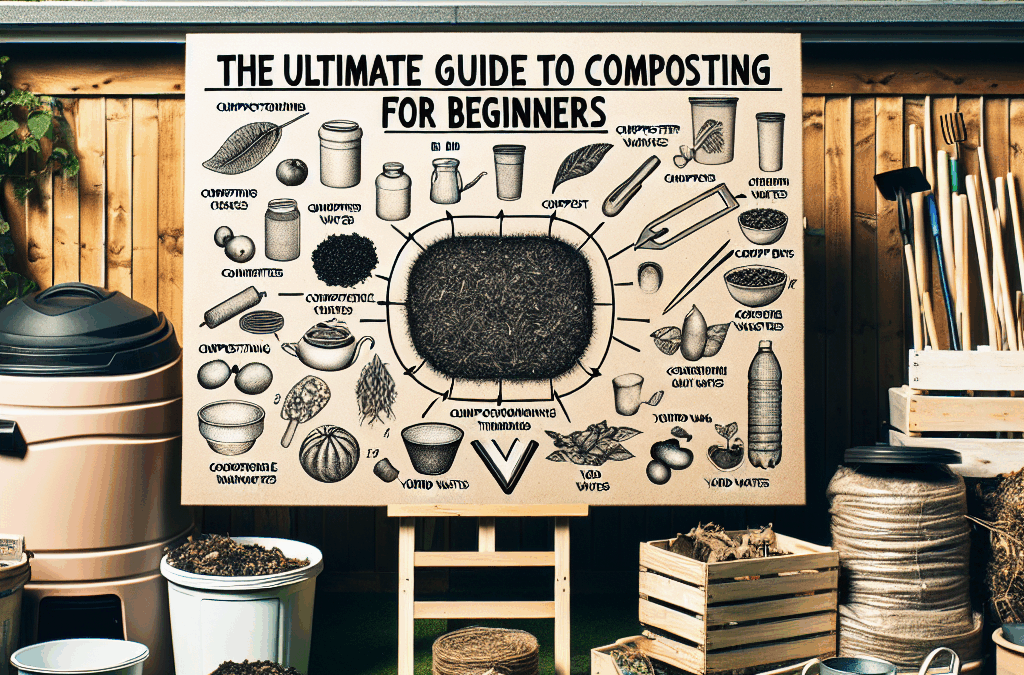
Soil is the backbone of any garden, so preparing it properly is essential. Start by testing your soil to determine its pH and nutrient levels. This information will guide you in amending the soil with organic matter, such as compost, which enhances fertility and structure.
Neglecting soil quality is a frequent error that leads to poor plant performance. Investing time in enriching the soil can yield significant returns in plant health and productivity. Aim for a balanced mix of nutrients, ensuring that your plants have access to what they need to thrive.
Selecting Plants for Your Garden
When it comes to selecting plants, consider starting with varieties that are known for being easy to grow. Leafy greens, radishes, and herbs are often good choices for beginners. Additionally, think about your culinary preferences—growing what you enjoy eating can make the gardening experience more fulfilling.
It’s crucial to be aware of the local climate and growing season. Research which plants are suitable for your area and their specific planting times. Many new gardeners mistakenly plant too early or too late, leading to disappointing results. Understanding these factors will help you make informed decisions and increase your garden’s success.
Watering and Maintenance Practices
Regular watering is vital for plant growth, but it’s important to understand the specific needs of your plants. Overwatering can be just as detrimental as underwatering. A good practice is to check the soil moisture before watering and adjust your schedule based on weather conditions.
Many gardeners fail to establish a consistent maintenance routine, which can lead to weed overgrowth and pest issues. Set aside time each week for weeding, monitoring for pests, and ensuring that plants are healthy. This proactive approach will save you time and effort in the long run.
Further Reading
Authoritative Sources
- Harvard Extension School Gardening Resources
extension.harvard.eduOffers comprehensive resources for beginners on how to start and maintain a garden
- Rodale's Organic Life
rodalesorganiclife.comA practical guide to organic gardening techniques and plant care
- Gardener's Supply Company
gardeners.comProvides tools, tips, and resources tailored for home gardeners
Frequently Asked Questions
What is the best time to start a backyard garden?
The best time to start a backyard garden typically depends on your local climate, but most regions suggest starting seeds indoors in early spring and transplanting them outdoors after the last frost.
How much sunlight do plants need in a backyard garden?
Most vegetables and herbs require at least six hours of direct sunlight each day for optimal growth.
What types of plants are easiest for beginners?
Leafy greens, radishes, and herbs like basil or mint are generally easier for beginners to grow successfully.
How often should I water my backyard garden?
Water your garden regularly, aiming for about an inch of water per week, but always check the soil moisture before watering to avoid over or under-watering.
What common mistakes should I avoid when starting a garden?
Avoid common mistakes like poor soil preparation, choosing the wrong plants for your climate, and neglecting regular maintenance.
Conclusion
Starting a backyard garden can be a fulfilling endeavor that enhances your lifestyle and provides fresh produce. Focus on selecting the right location, preparing your soil, choosing suitable plants, and maintaining a consistent care routine. By prioritizing these elements, you can avoid common pitfalls and enjoy a thriving garden. Take action today by evaluating your outdoor space and planning your first garden layout. Your journey to gardening success begins now.


