
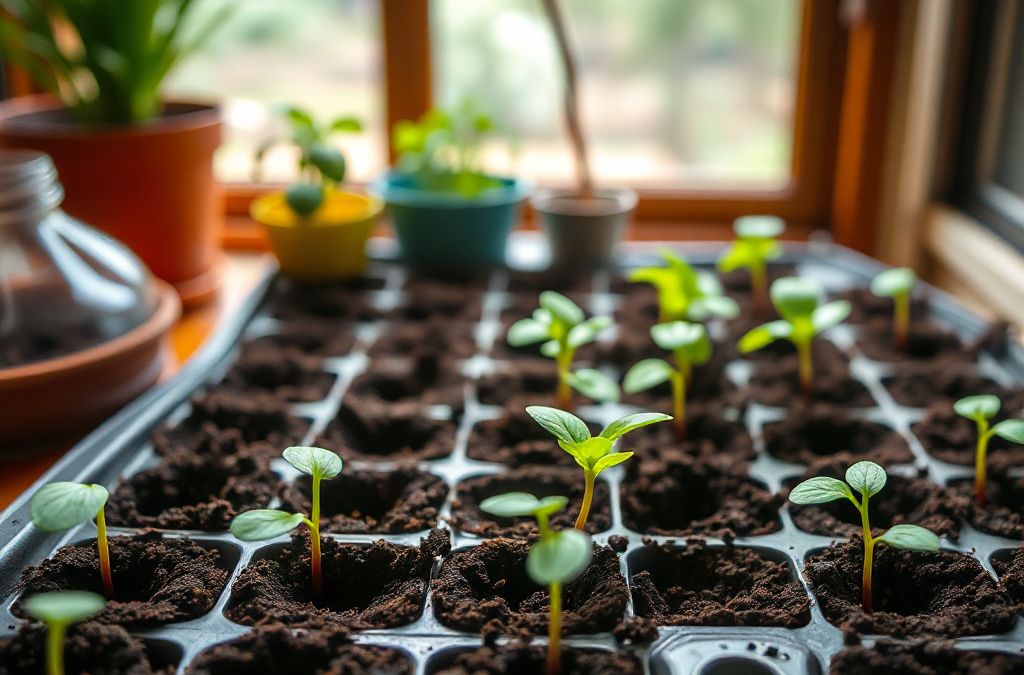
Starting seeds indoors can lead to failure if common mistakes are not avoided. Overwatering is a frequent issue, as it can cause damping off, a fungal disease that destroys seedlings. Additionally, many beginners fail to provide sufficient light, resulting in weak, leggy plants. To prevent these problems, ensure that soil remains moist but not soggy, and provide 12 to 16 hours of light daily, ideally using adjustable LED grow lights. Monitoring these conditions closely will significantly enhance your chances of successful germination and healthy seedling growth.
Overwatering Seeds: The Dangers
Overwatering is one of the most common mistakes when starting seeds indoors. It’s crucial to understand that while seeds need moisture to germinate, too much can lead to serious problems like root rot and damping off. Damping off is a fungal disease that affects seedlings, causing them to collapse and die. The key is to maintain a balance; the soil should be moist but not saturated. To achieve this, check the soil regularly and only water when the top inch feels dry.
Using a seedling mat can help regulate moisture levels, but it’s important to monitor the environment. Additionally, using well-draining soil can reduce the risk of water accumulation. Consider starting seeds in biodegradable pots that allow for moisture control. With proper watering techniques, you can minimize the risks associated with overwatering.
Light Requirements for Seedlings
Light is another critical factor that influences the success of indoor seed starting. Many beginners underestimate the amount of light needed for healthy seedlings. Most seeds require 12 to 16 hours of light daily for optimal growth. Insufficient light can result in leggy, weak plants that struggle to thrive.
Using grow lights is often the best solution for providing consistent light. LED grow lights are energy-efficient and can be adjusted for height as the seedlings grow. Position the lights about 2-4 inches above the seedlings, and raise them as the plants stretch towards the light. If natural sunlight is used, ensure the seedlings receive adequate exposure, ideally near a south-facing window. Rotating the trays can help ensure even light distribution.
Temperature Control: A Critical Factor
Temperature plays a vital role in seed germination and seedling growth. Each type of seed has a specific temperature range that promotes germination. For example, most vegetable seeds germinate best between 65°F and 75°F. If the temperature is too low, seeds may take longer to germinate or fail to sprout altogether.
Using heat mats can help maintain the ideal temperature for germination, especially for heat-loving plants like peppers and tomatoes. Monitor the temperature with a thermometer to ensure it stays within the optimal range. Additionally, avoid placing seedlings in drafty areas or near heating vents that can cause temperature fluctuations. Proper temperature management will lead to stronger, healthier seedlings.
Choosing the Right Containers
The choice of containers for starting seeds can significantly impact their growth. Many beginners use containers that are too small or lack drainage, leading to overwatering issues. It’s essential to choose containers that provide adequate space for roots to grow and have drainage holes to prevent water accumulation.
Consider using biodegradable seed trays or pots that can be planted directly into the ground, reducing transplant shock. Ensure that whatever container you choose is clean and sterile to prevent disease. Reusable plastic containers should be washed with soap and water and rinsed thoroughly before use. The right container can facilitate healthy root development, leading to robust seedlings.
Frequently Asked Questions
What is the best soil for starting seeds indoors?
A quality seed-starting mix that is light, well-draining, and free of pathogens is ideal for starting seeds indoors.
How often should I water my seedlings?
Water when the top inch of soil feels dry, usually every few days, depending on humidity and temperature.
Can I use regular garden soil for starting seeds?
It's not recommended as garden soil may be too dense and can harbor pests and diseases. Use a sterile seed-starting mix instead.
How can I tell if my seeds are still viable?
Perform a germination test by placing a few seeds on a damp paper towel; if over 70% sprout within a week, they are likely viable.
What temperature should I keep my seedlings?
Most seedlings thrive at temperatures between 65°F and 75°F; check specific requirements for different types of seeds.
Conclusion
Starting seeds indoors can be a rewarding experience, but avoiding common mistakes is crucial for success. Focus on maintaining proper moisture levels, providing adequate light, ensuring the right temperature, and selecting suitable containers. By paying attention to these factors, you can cultivate healthy seedlings that will flourish in your garden.


