
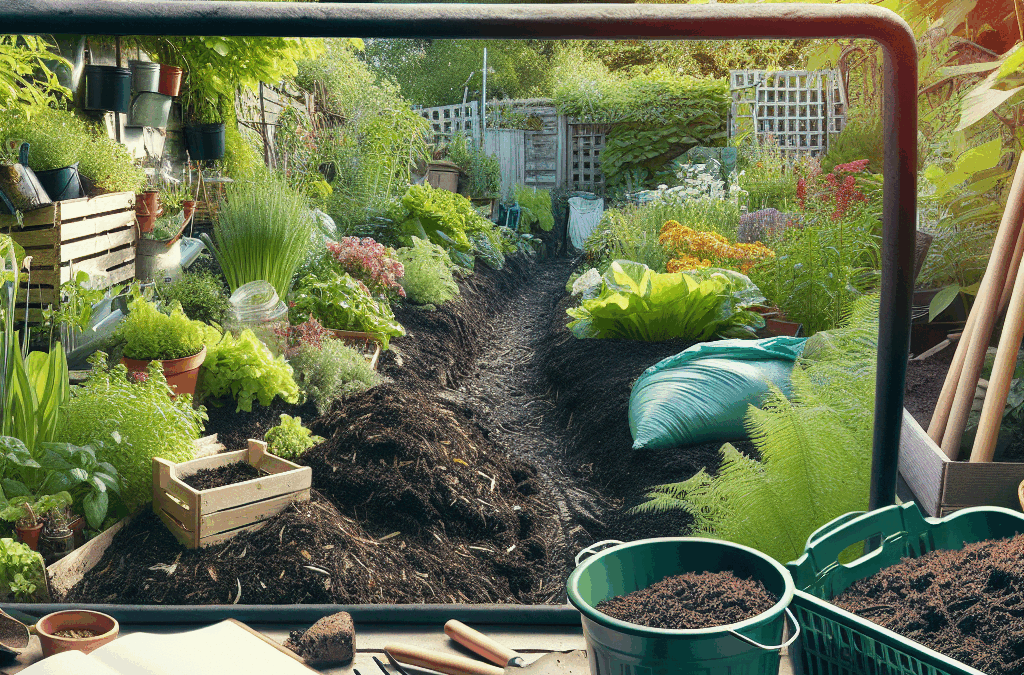
High yield gardening tips empower gardeners to optimize their harvests while minimizing effort and space. This approach is crucial for urban gardeners or those with limited outdoor areas, allowing them to grow a variety of crops without needing a sprawling garden. Implementing effective techniques can lead to impressive results, transforming small plots into productive spaces.
Many gardeners struggle with poor yields due to common mistakes such as overcrowding plants, neglecting soil health, or failing to consider seasonal planting. Understanding these pitfalls can help you make informed decisions about your gardening practices. Prioritizing space efficiency and crop selection is essential for maximizing output and ensuring sustainable gardening practices.
Choosing the Right Crops for Your Space
Selecting the right crops is fundamental in achieving high yields. Fast-growing varieties, such as radishes, lettuce, and beans, can provide quicker results and allow for multiple harvests in a single growing season. Understanding your local climate and the specific needs of each plant can also help you choose varieties that thrive in your conditions.
Common mistakes include planting varieties that are not suitable for your climate or spacing them too closely, which can lead to competition for nutrients and light. Prioritize crops that not only fit your space but also complement each other in growth habits and nutrient needs. This strategic selection can lead to healthier plants and more abundant harvests.
Companion Planting: Maximizing Benefits
Companion planting involves growing different plants in proximity for mutual benefits, such as pest control, improved pollination, and enhanced growth. For example, planting marigolds with tomatoes can deter pests, while beans can enrich the soil with nitrogen, benefiting neighboring crops.
However, not all plant combinations are beneficial. Misguided pairings can lead to poor growth or increased pest problems. Understanding which plants work well together is crucial. Focus on combinations that enhance growth and protect against pests, allowing you to maximize your yields with minimal effort.
Vertical Gardening Techniques
Vertical gardening is an excellent strategy for maximizing space in small gardens. This technique involves growing plants upwards rather than outwards, utilizing trellises, wall planters, or hanging pots. Crops like cucumbers, peas, and tomatoes thrive in vertical setups, allowing for better air circulation and light exposure.
Many gardeners overlook the structural support needed for vertical gardening, which can lead to damaged plants and reduced yields. Consider your plants’ growth habits and ensure adequate support is in place to prevent collapse. By investing in proper vertical gardening techniques, you can significantly increase your harvest potential.
Soil Health and Fertilization
Healthy soil is the foundation of high-yield gardening. Investing in soil quality through composting and using organic fertilizers can enhance nutrient availability and improve plant health. Regular soil testing can help you identify deficiencies and adjust your fertilization strategy accordingly.
Neglecting soil health can lead to poor yields and increased susceptibility to disease. Prioritize amendments that improve soil structure and fertility. This proactive approach will ensure your plants have the nutrients they need to thrive and produce abundantly.
Further Reading
Authoritative Sources
Authoritative Sources
- University of Minnesota Extension: Vegetable Gardening
extension.umn.eduThis resource offers comprehensive guidance on vegetable gardening, including high-yield techniques tailored for various climates
Frequently Asked Questions
What are the best crops for high yield gardening?
Fast-growing crops like lettuce, radishes, and beans are excellent for maximizing yield in limited space.
How can companion planting help my garden?
Companion planting can enhance growth, deter pests, and improve pollination, leading to better yields.
What are some vertical gardening options?
Using trellises, wall planters, and hanging pots are effective ways to implement vertical gardening.
How important is soil health?
Soil health is crucial as it affects plant growth, nutrient availability, and overall garden productivity.
Can I grow high yield crops in small spaces?
Yes, with the right techniques such as vertical gardening and companion planting, you can maximize yields in small areas.
Conclusion
To achieve high yields in your garden, focus on selecting the right crops, utilizing companion planting, and maintaining healthy soil. By prioritizing these strategies, you can maximize your harvests even in limited spaces. Remember to continually assess your gardening practices and adjust as necessary to ensure sustained productivity. Start implementing these tips today for a thriving garden that meets your needs.


